This project is part of a trilogy for England made only with AI.
The Vast Glory and the Slow Fury
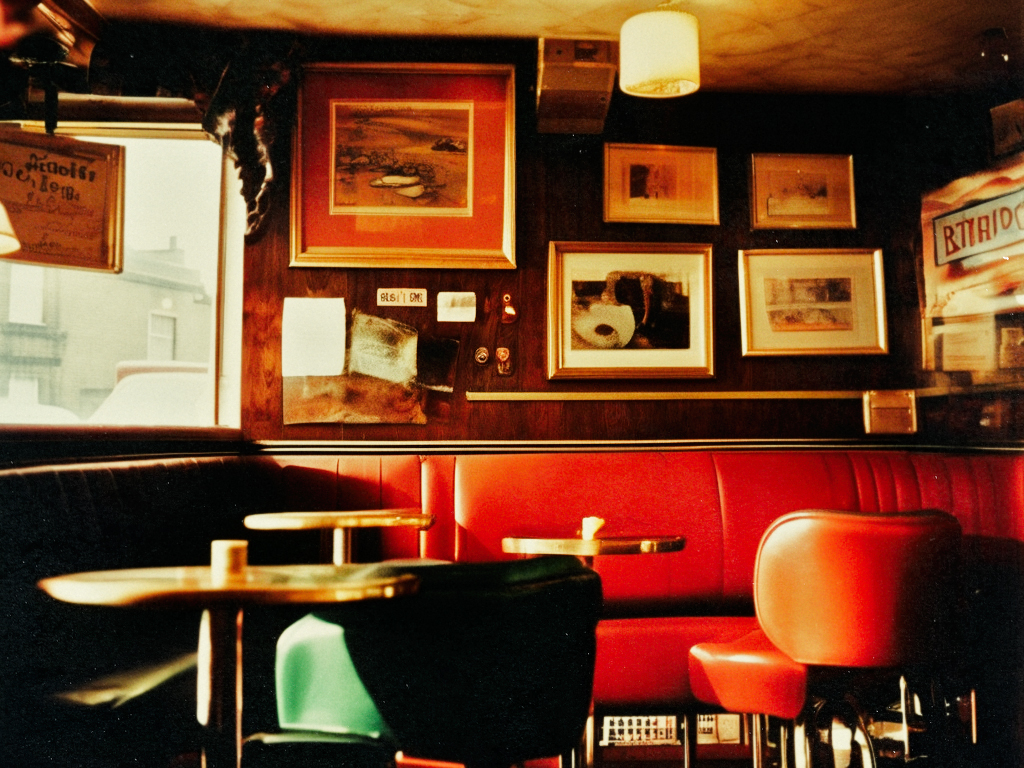
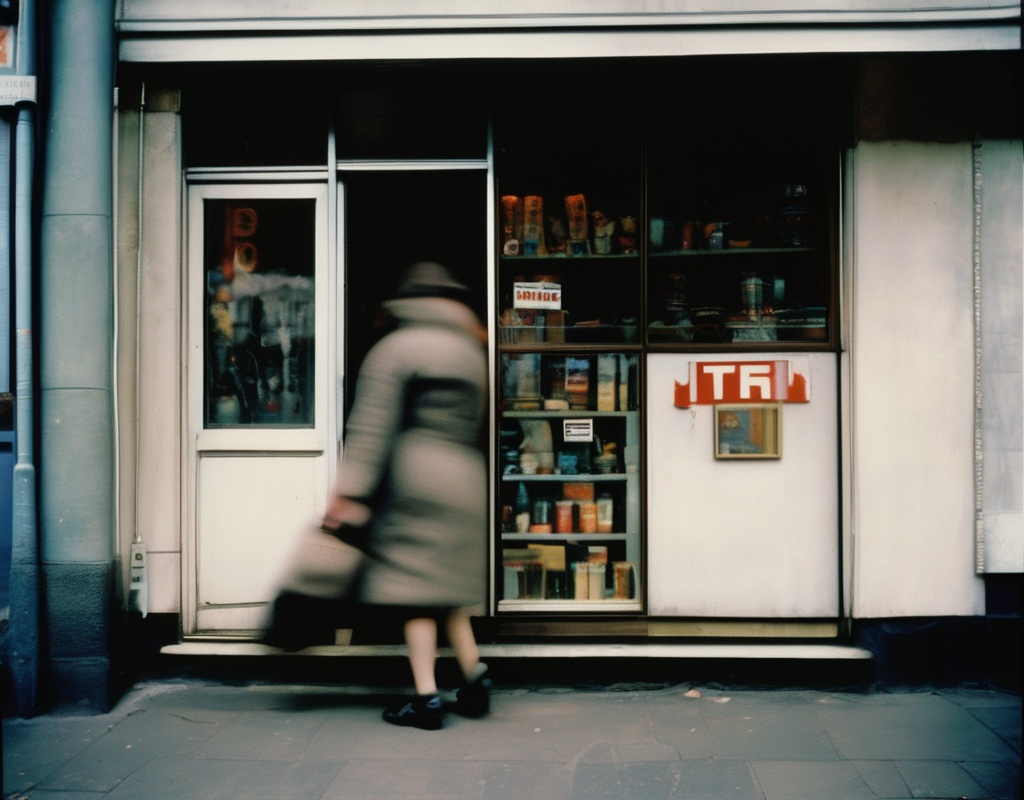
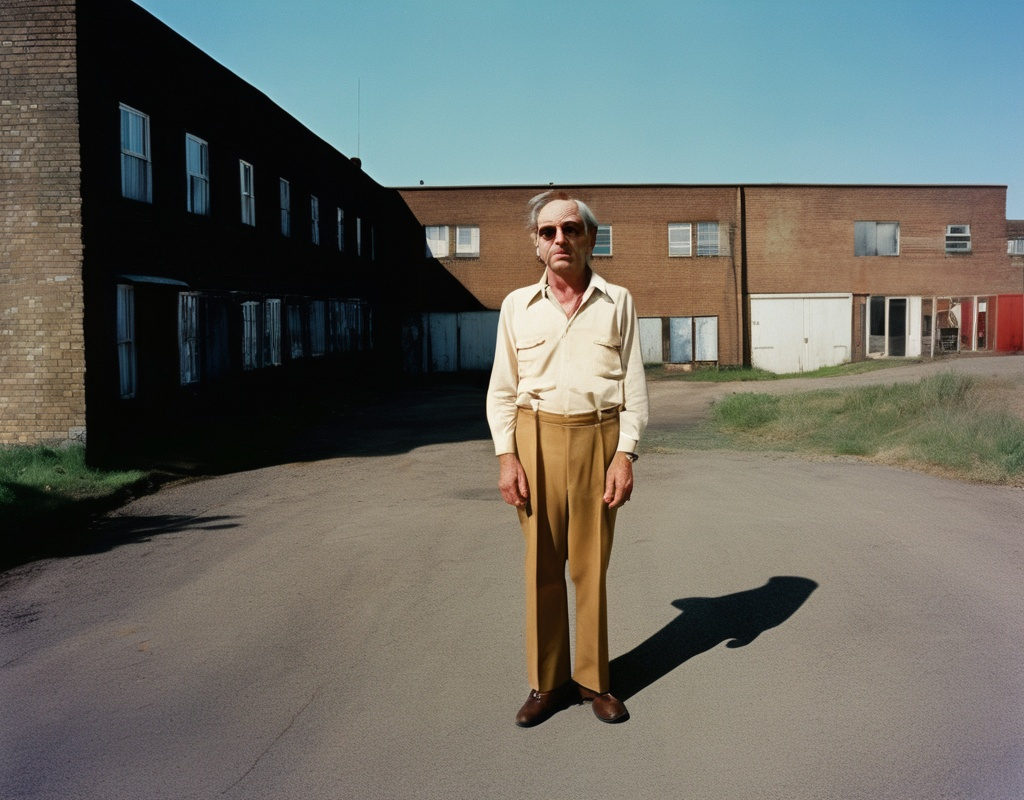
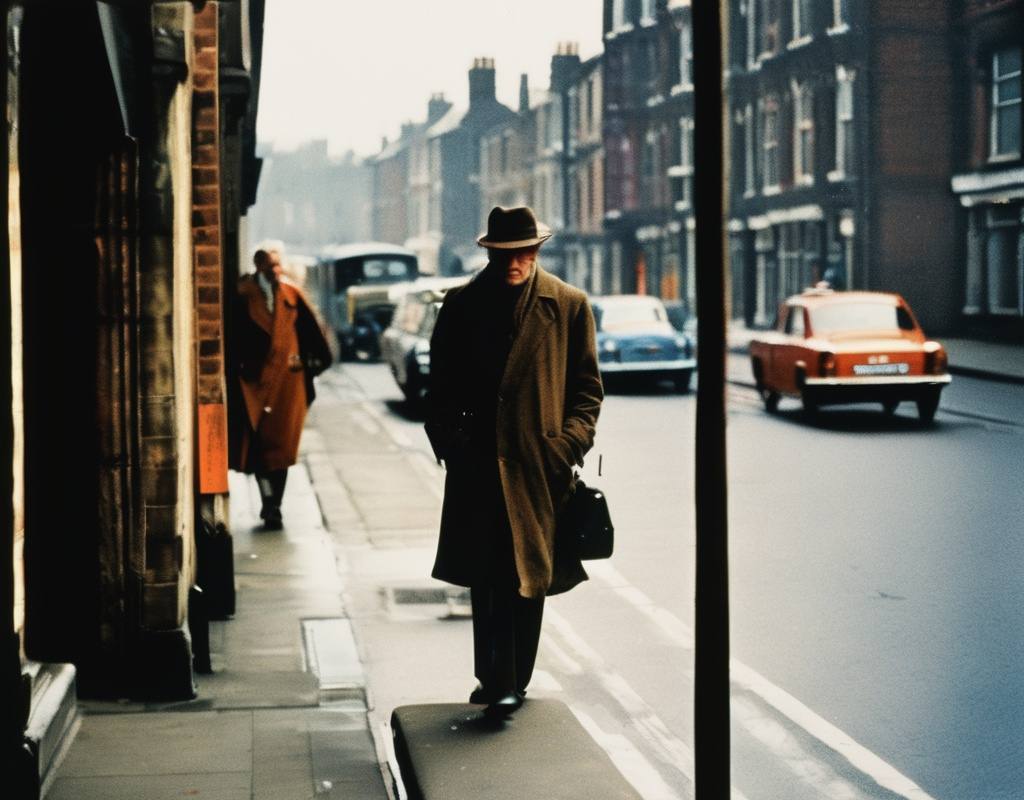
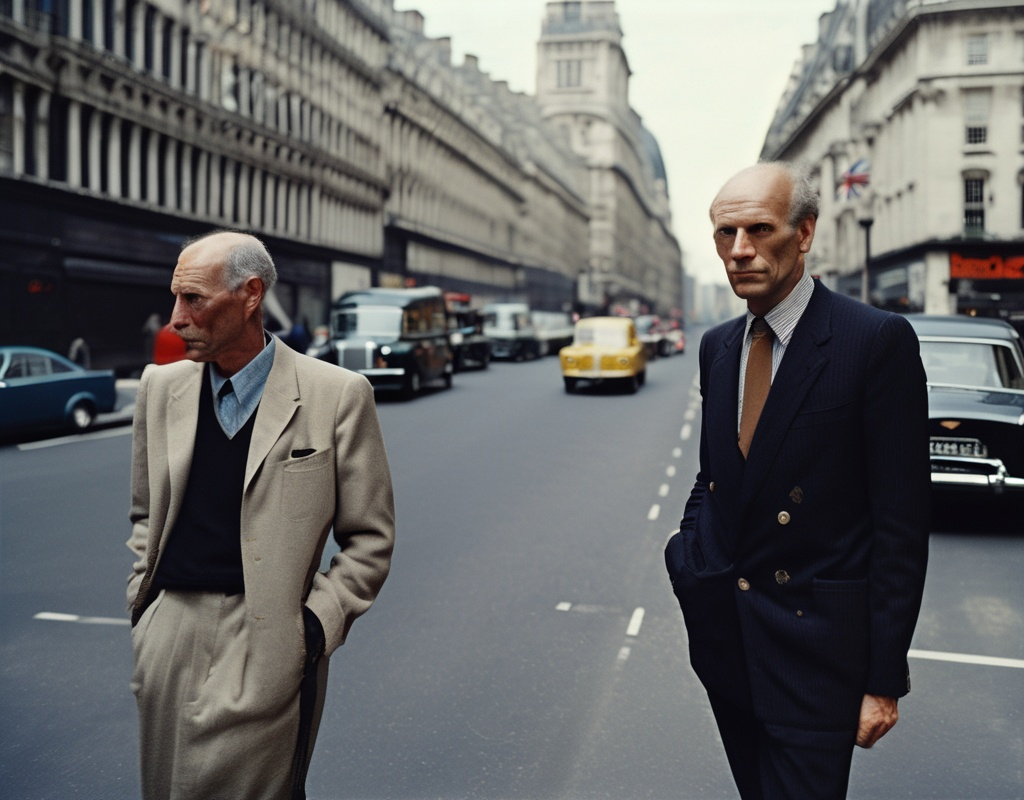
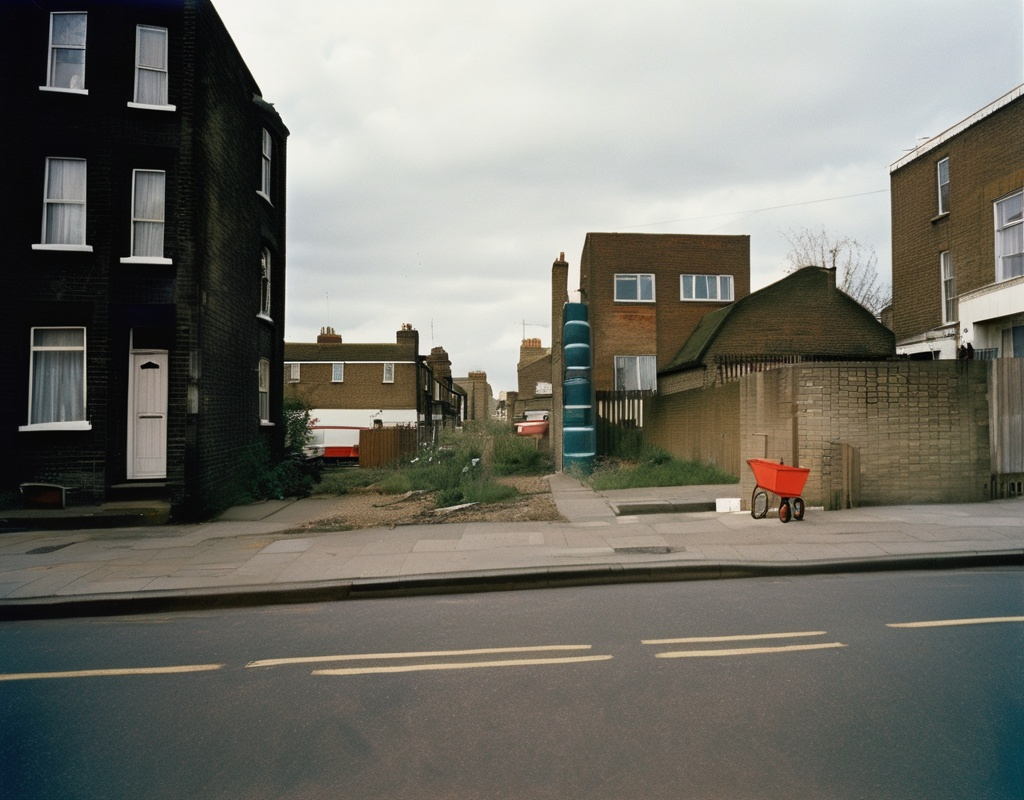
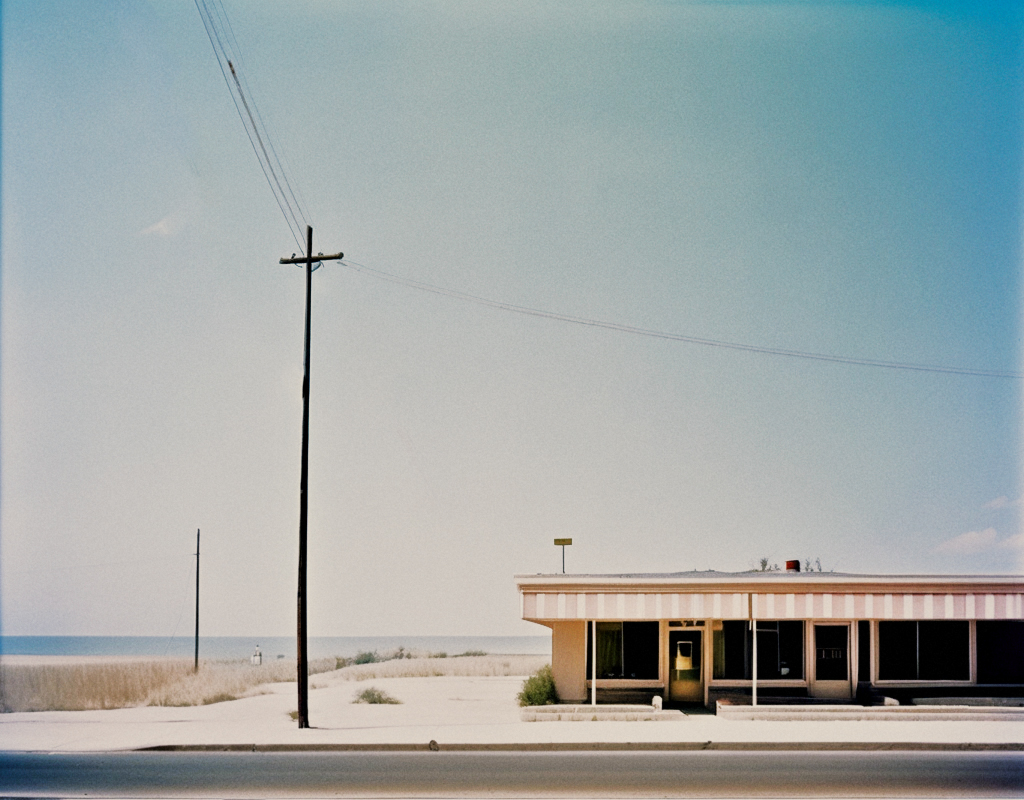
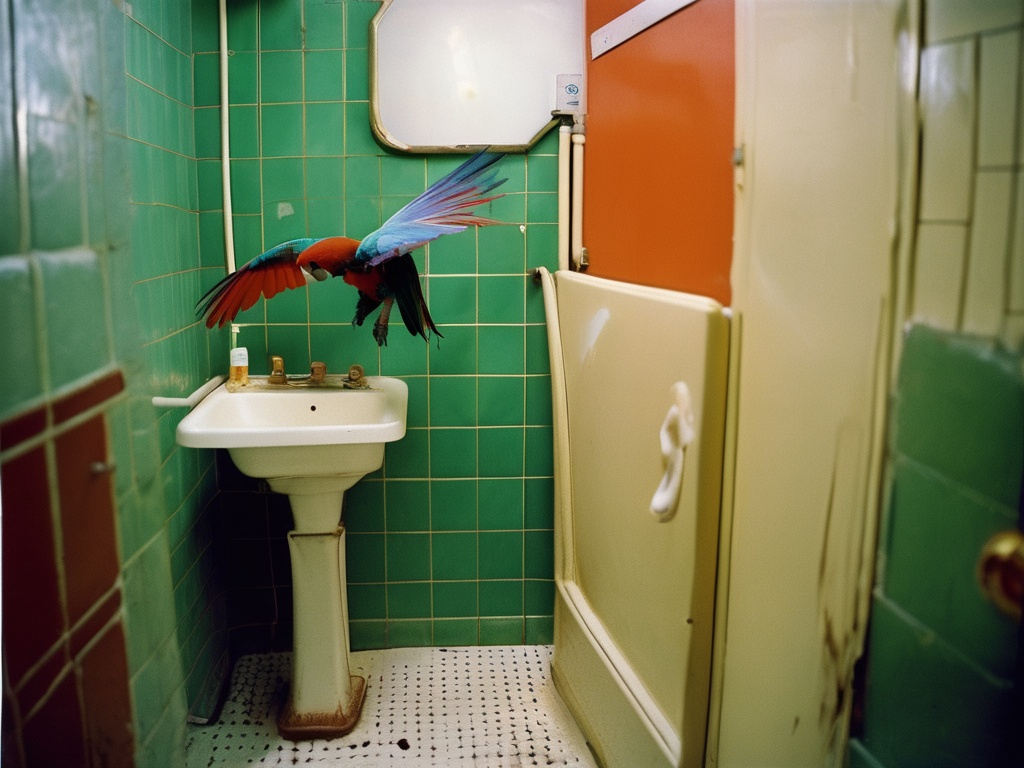
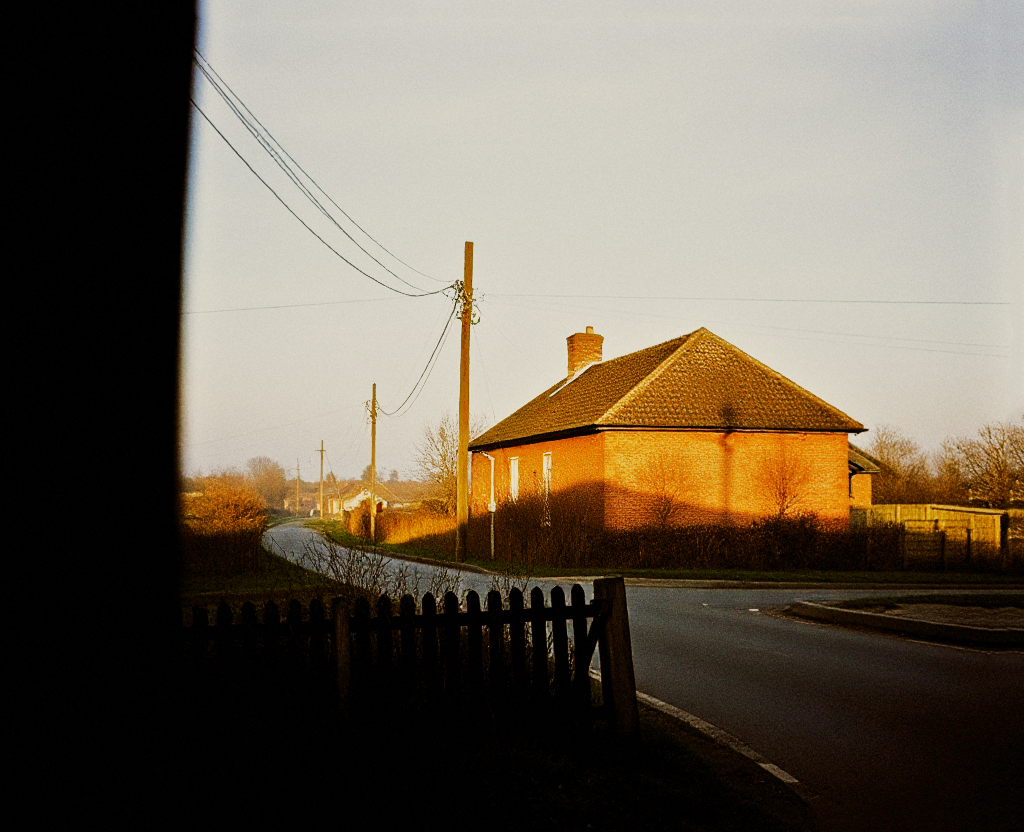
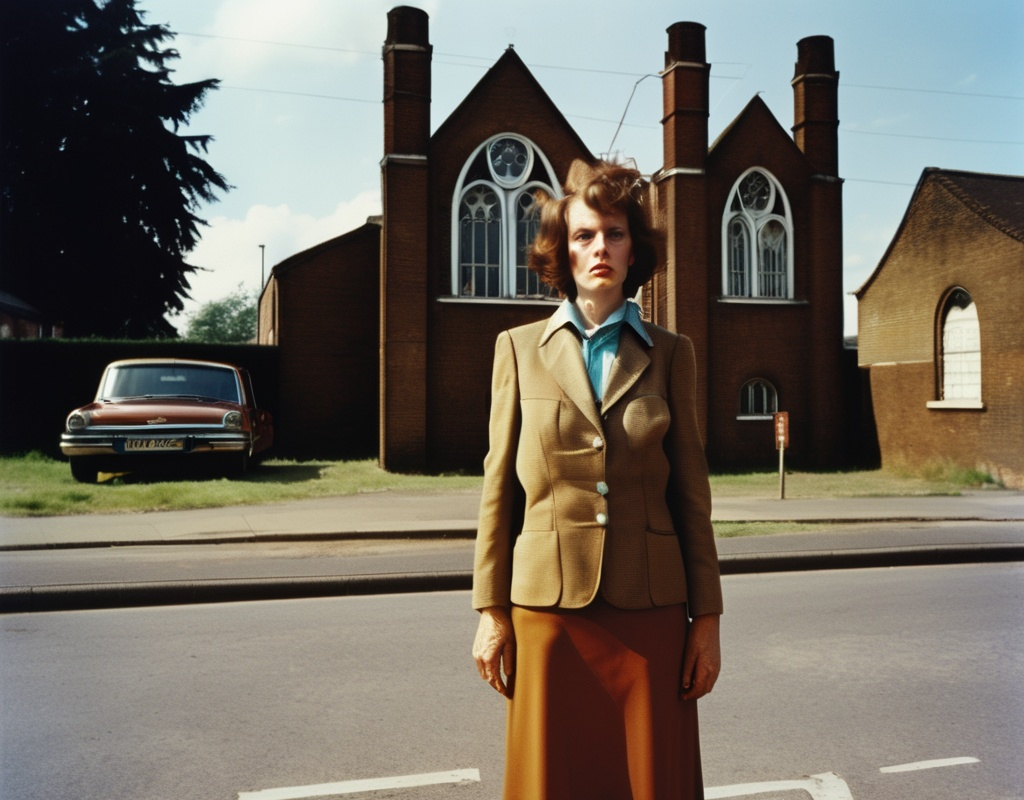
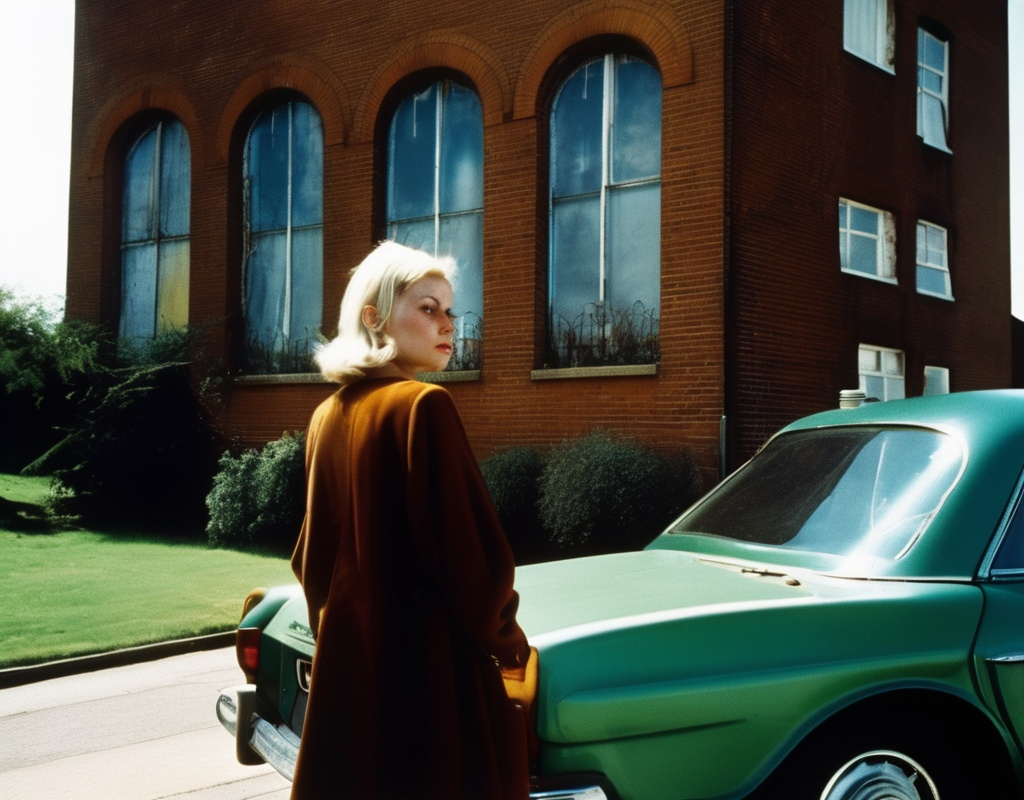
"The Vast Glory and the Slow Fury" is an AI-assisted visual exploration of 1970s England, a pivotal decade defined by its complex duality. This project seeks to capture the specific atmosphere of the era—a time oscillating between the perceived glory of tradition and a growing, palpable social and economic unrest.
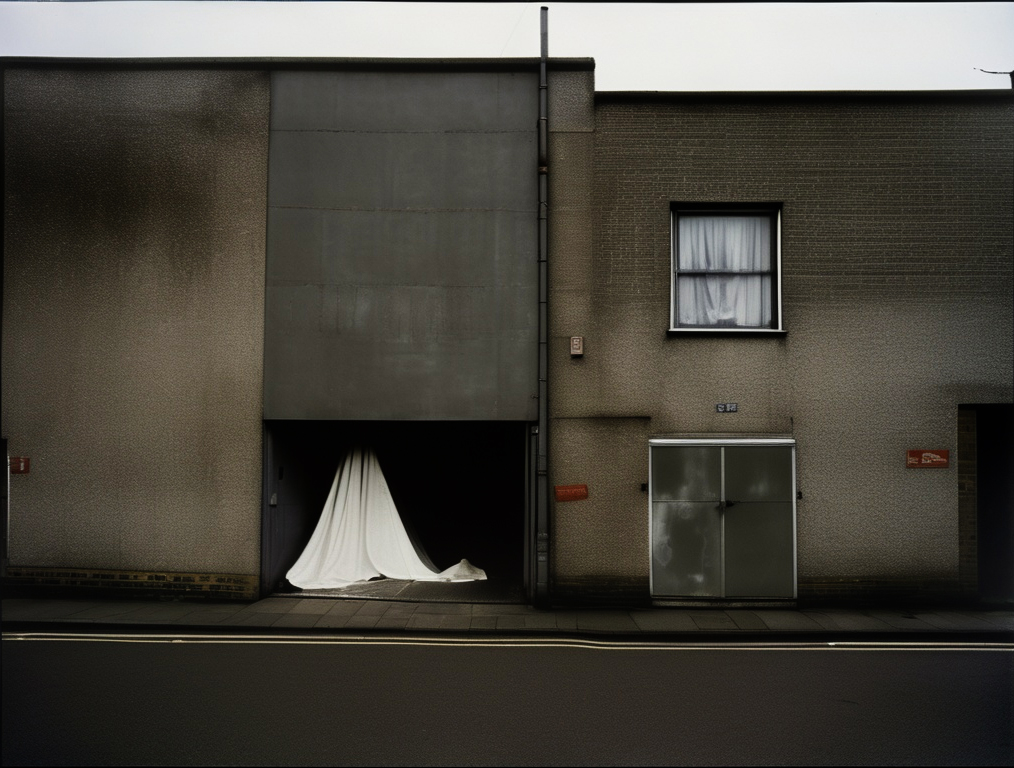
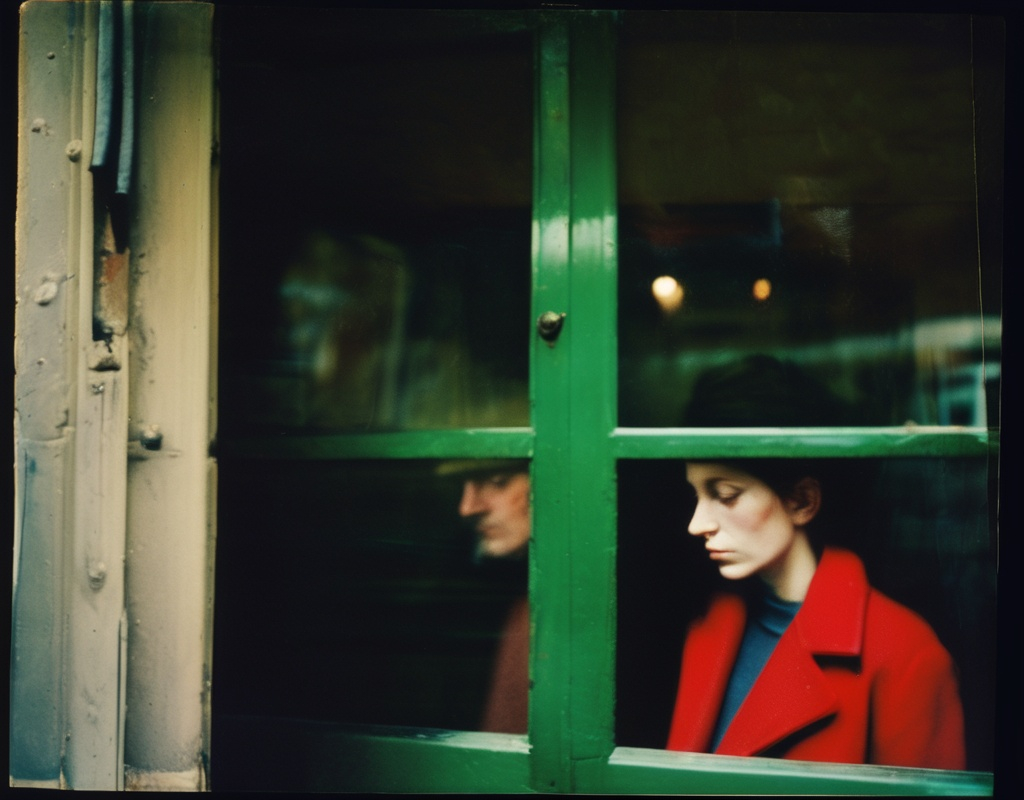
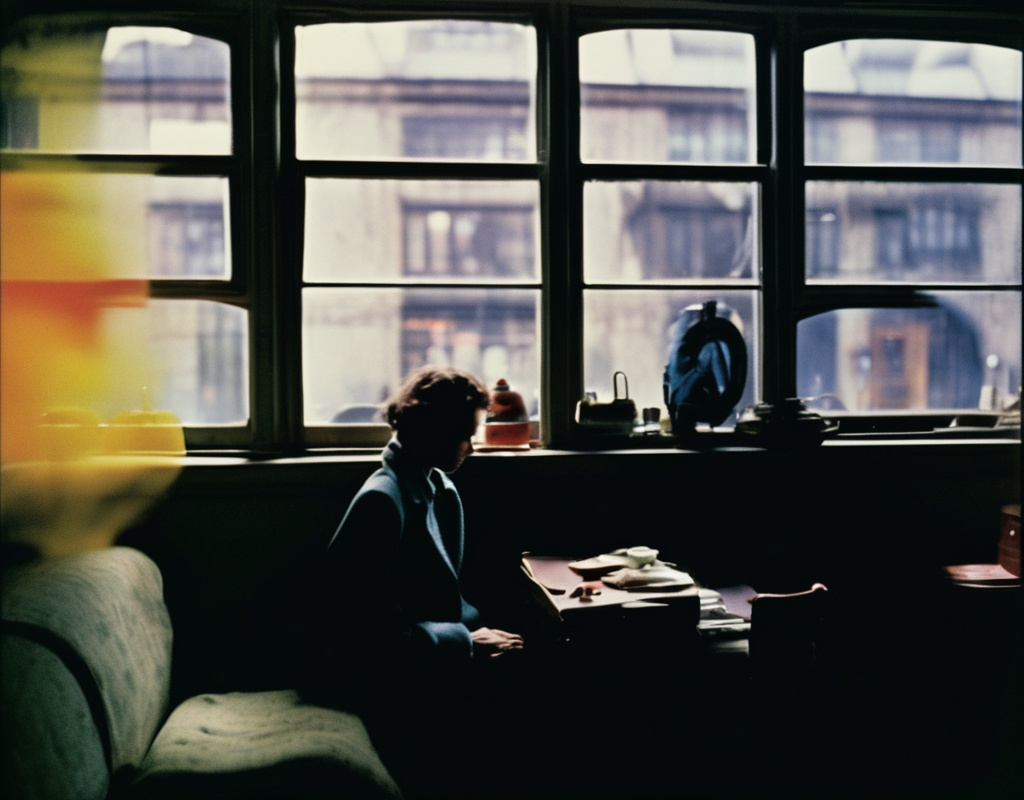
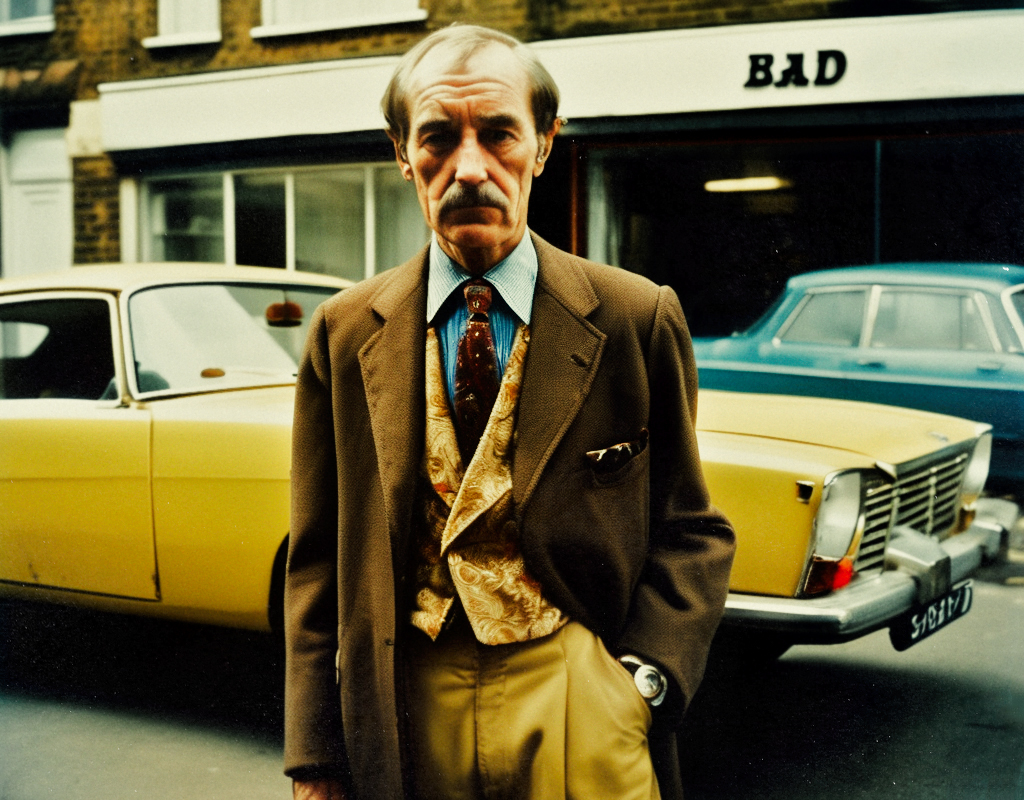
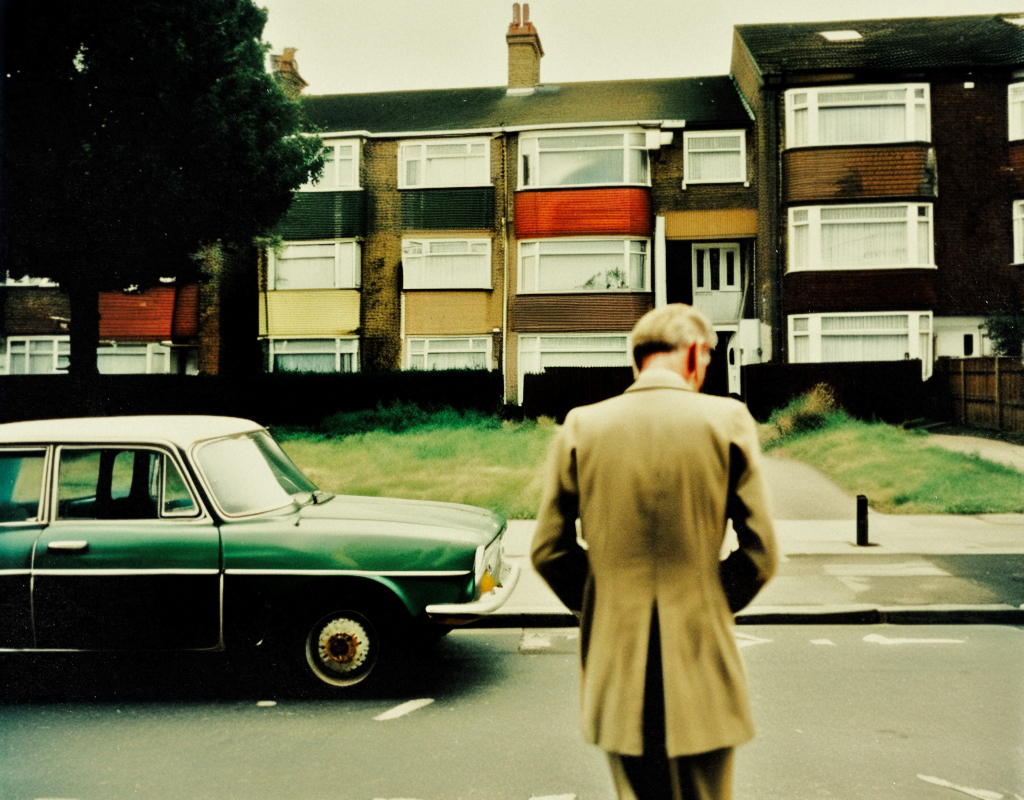
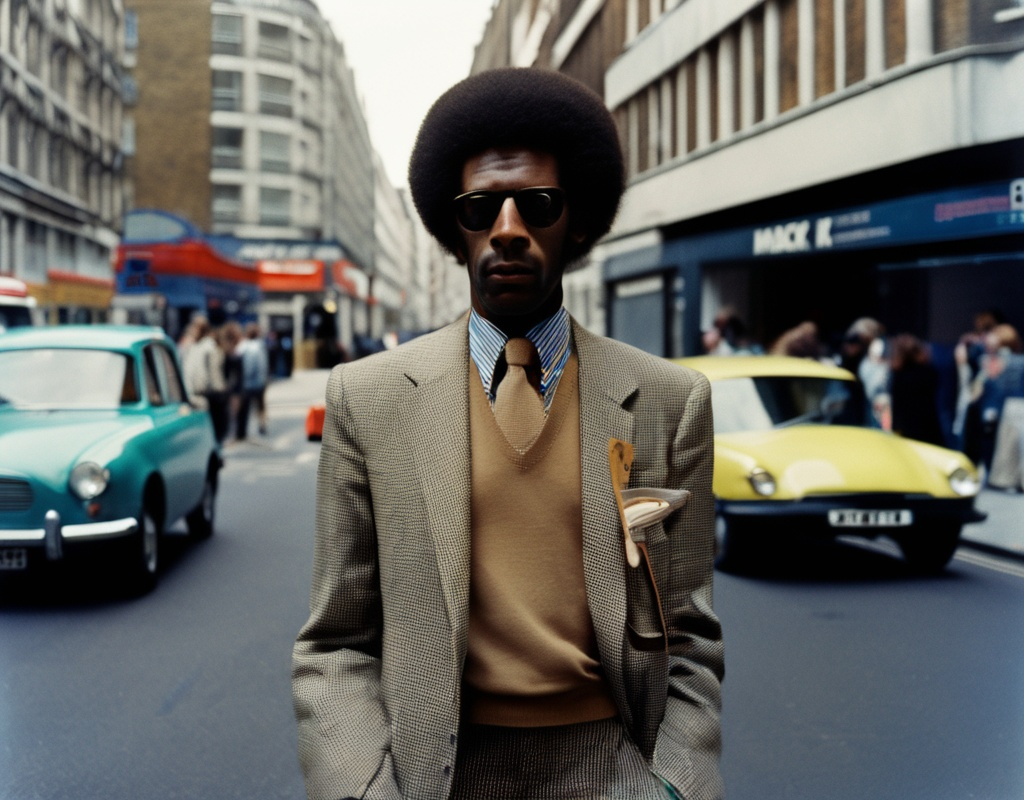
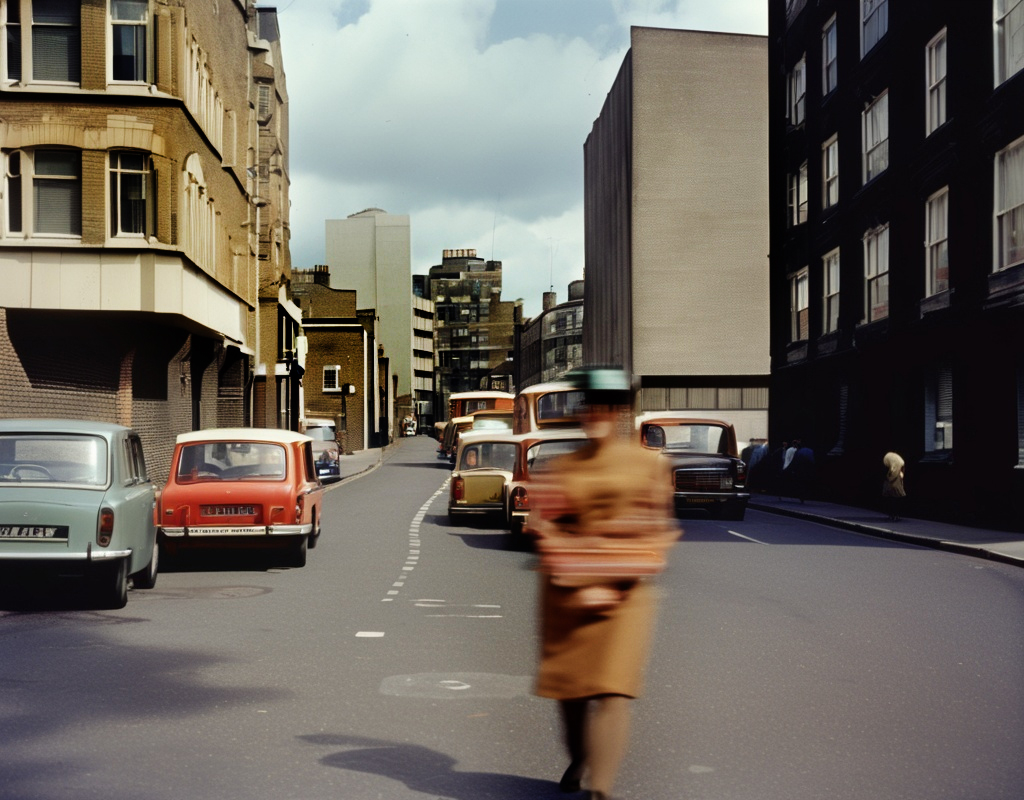
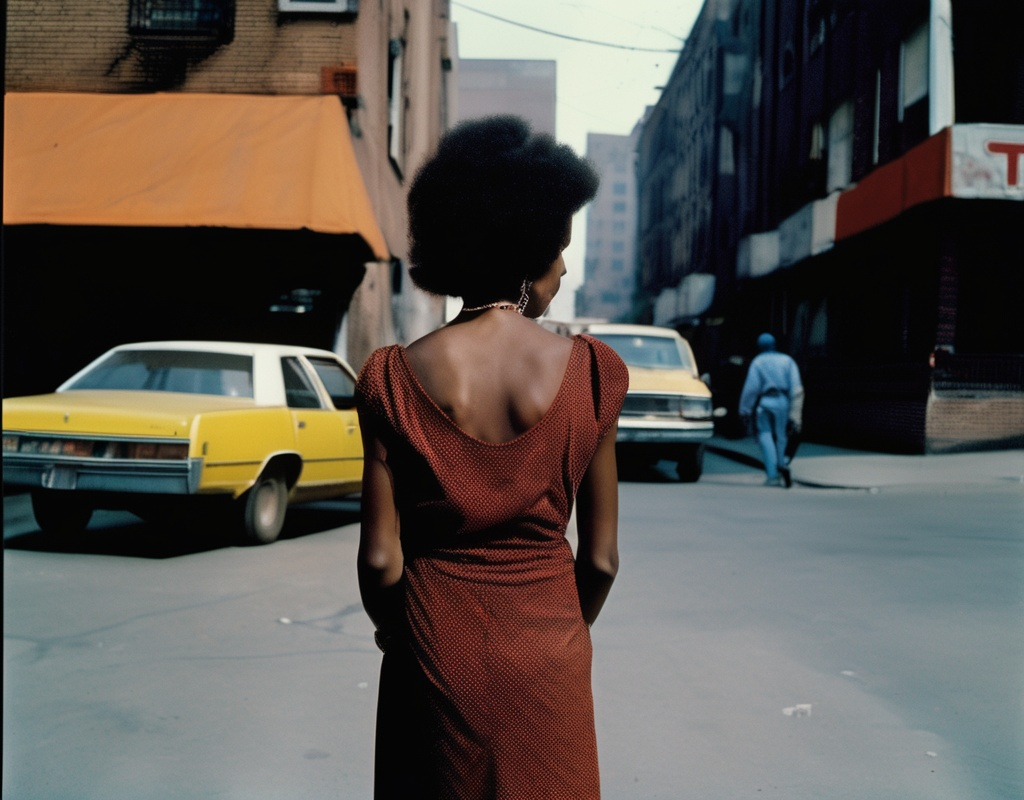
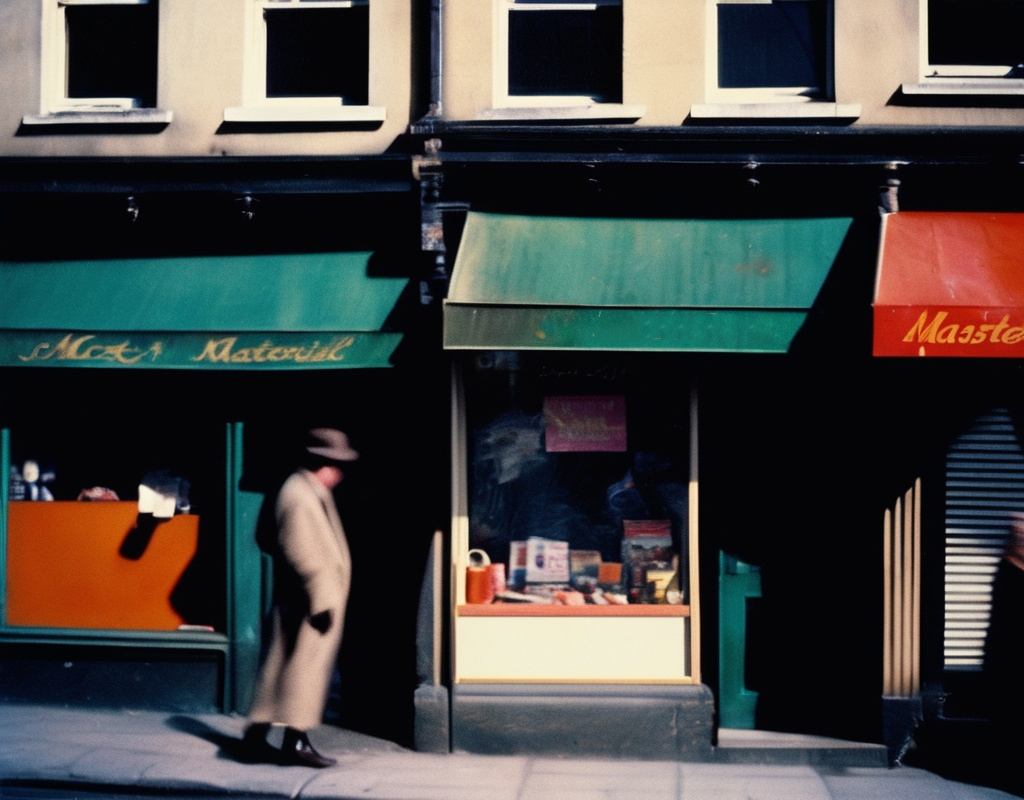
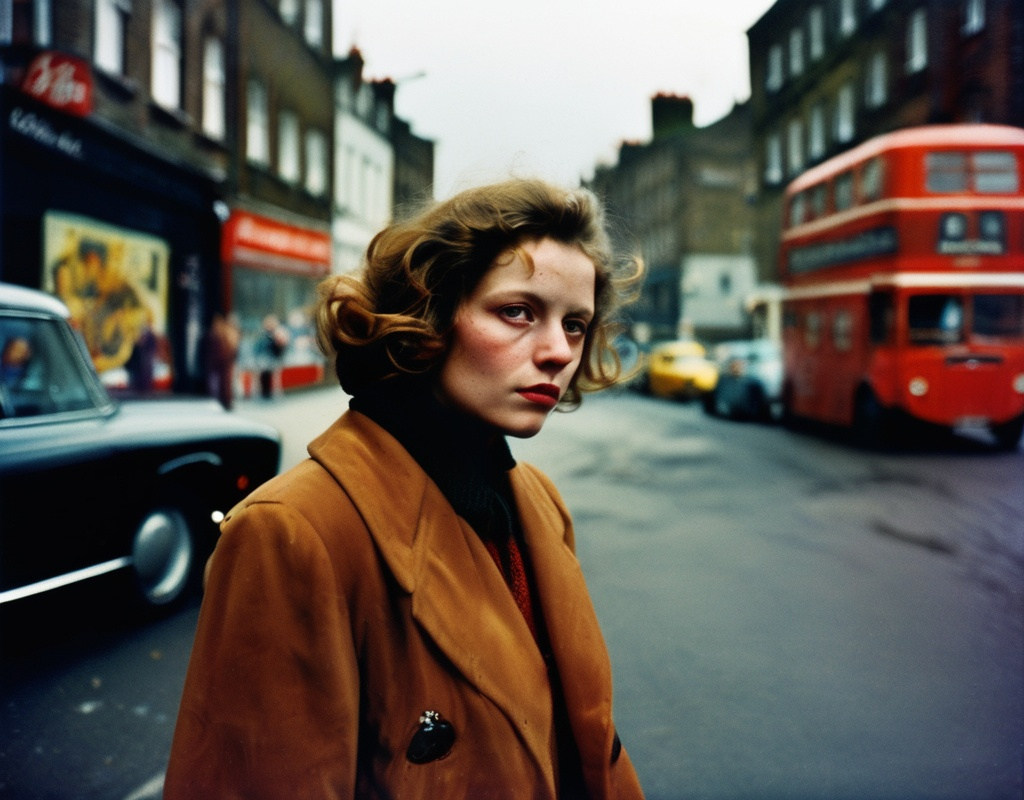
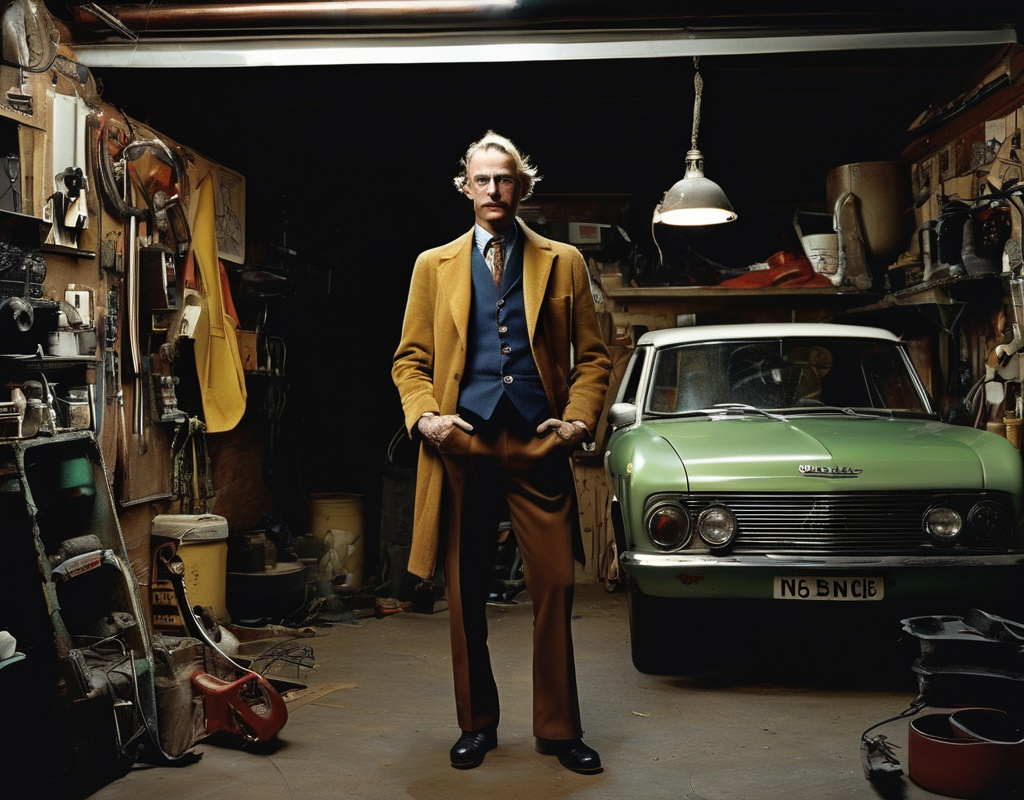
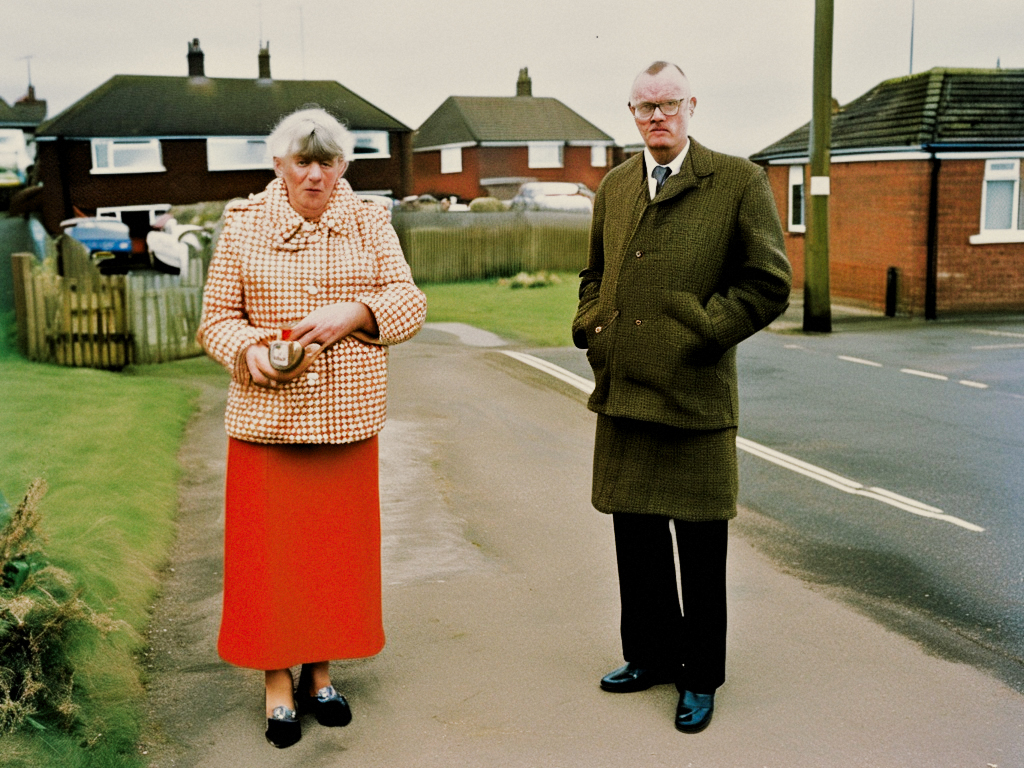
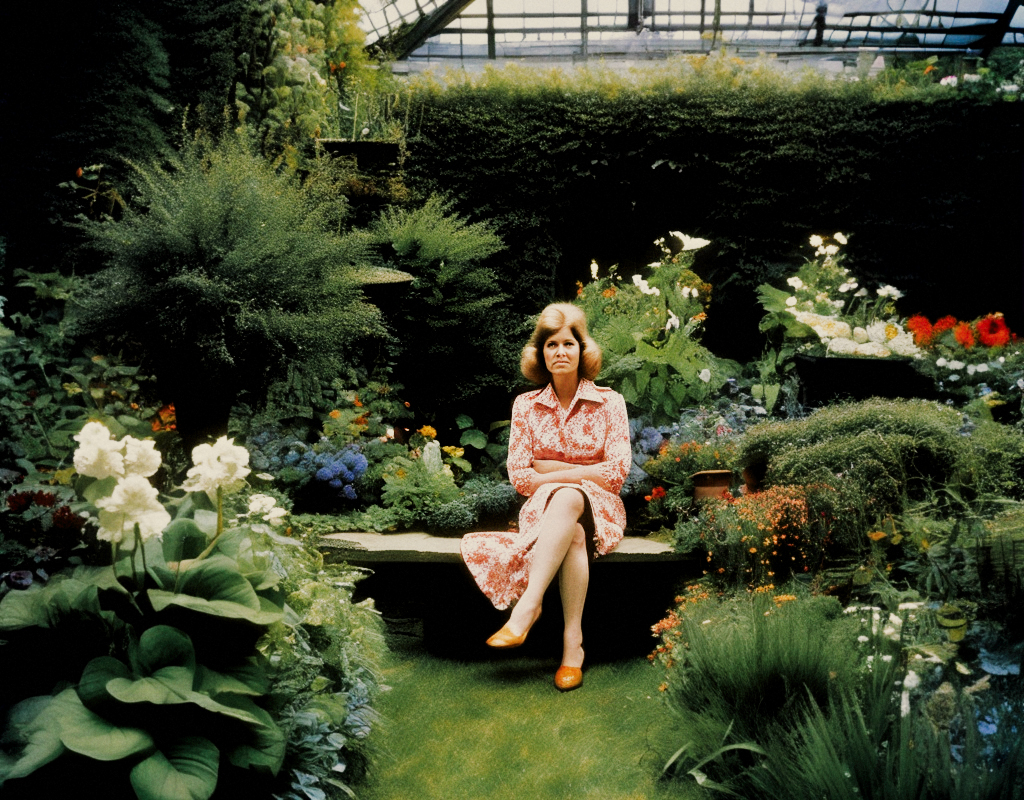
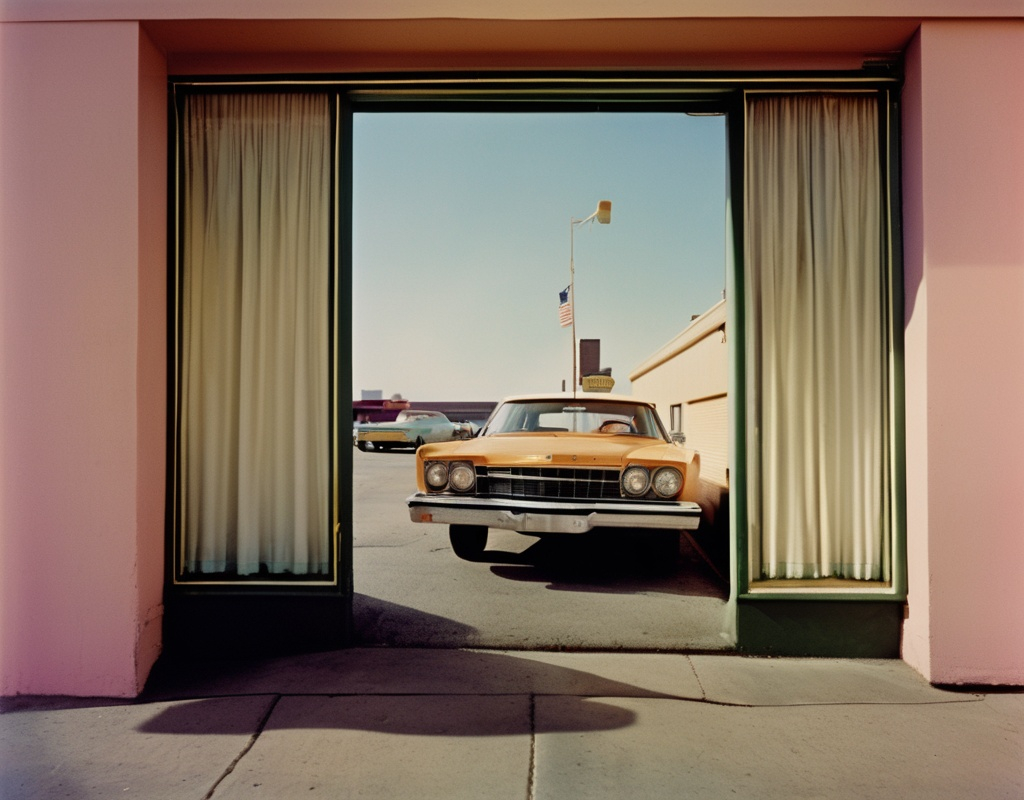
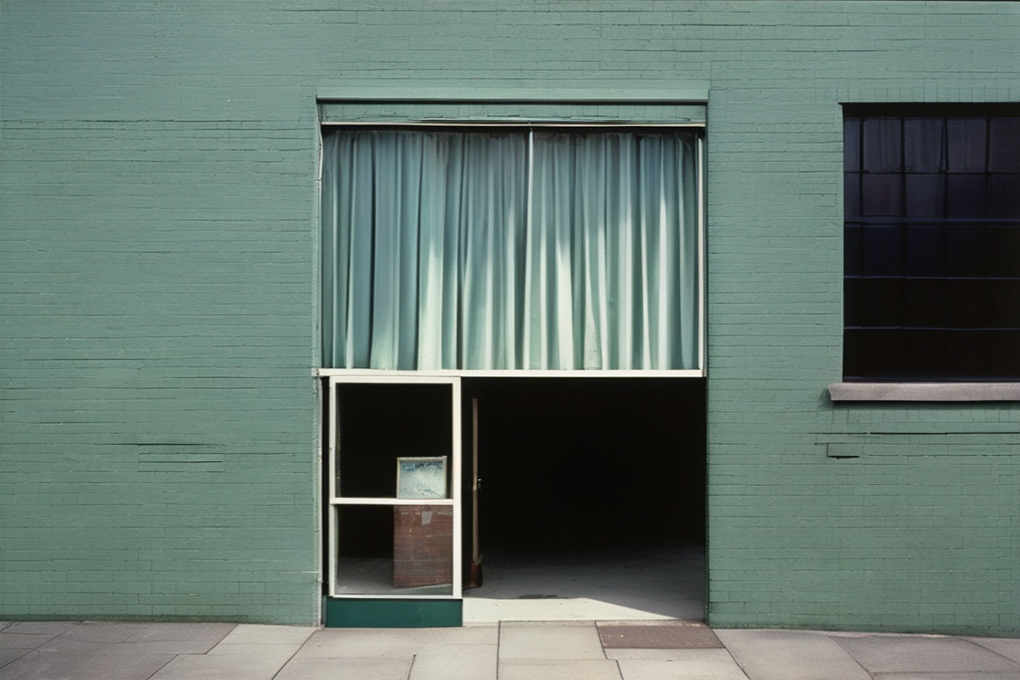
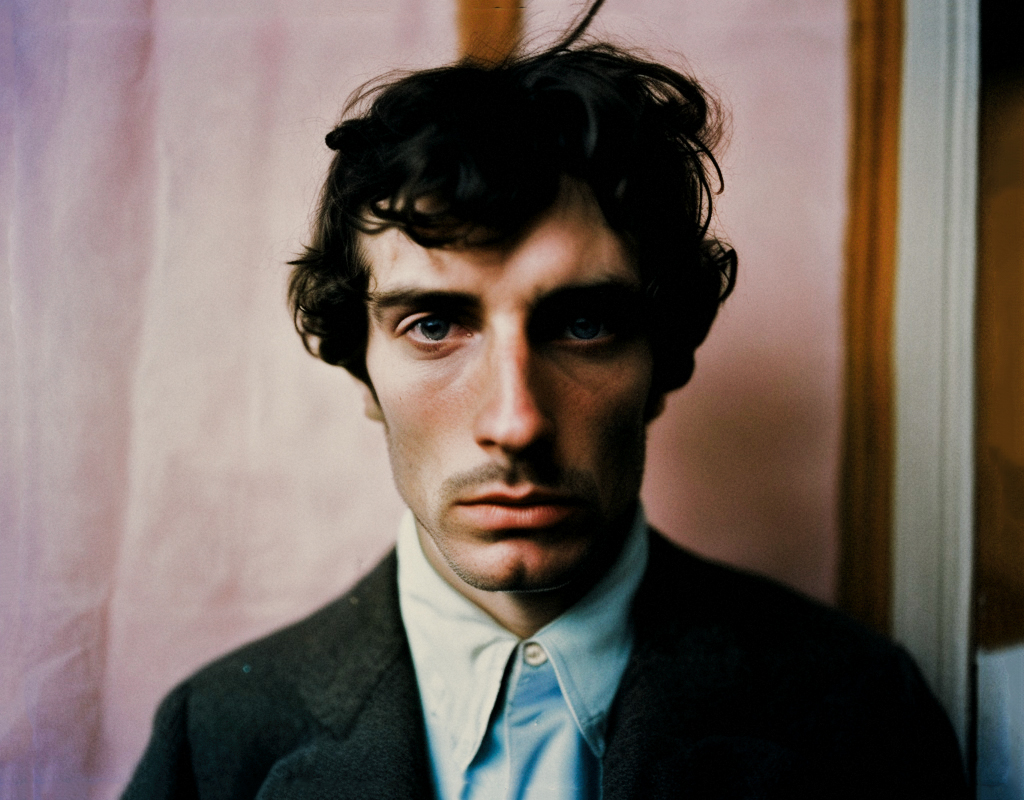
The generated imagery contrasts the "public face" of the nation with its internal, often overlooked, realities. On one hand, there is a sense of "vast glory"—the lingering grandeur of the post-war era, evident in the sartorial elegance and structured architecture of the urban environment, as seen in subjects like the man in the suit and the woman in the red dress. This is the England of established history and iconic streetscapes.
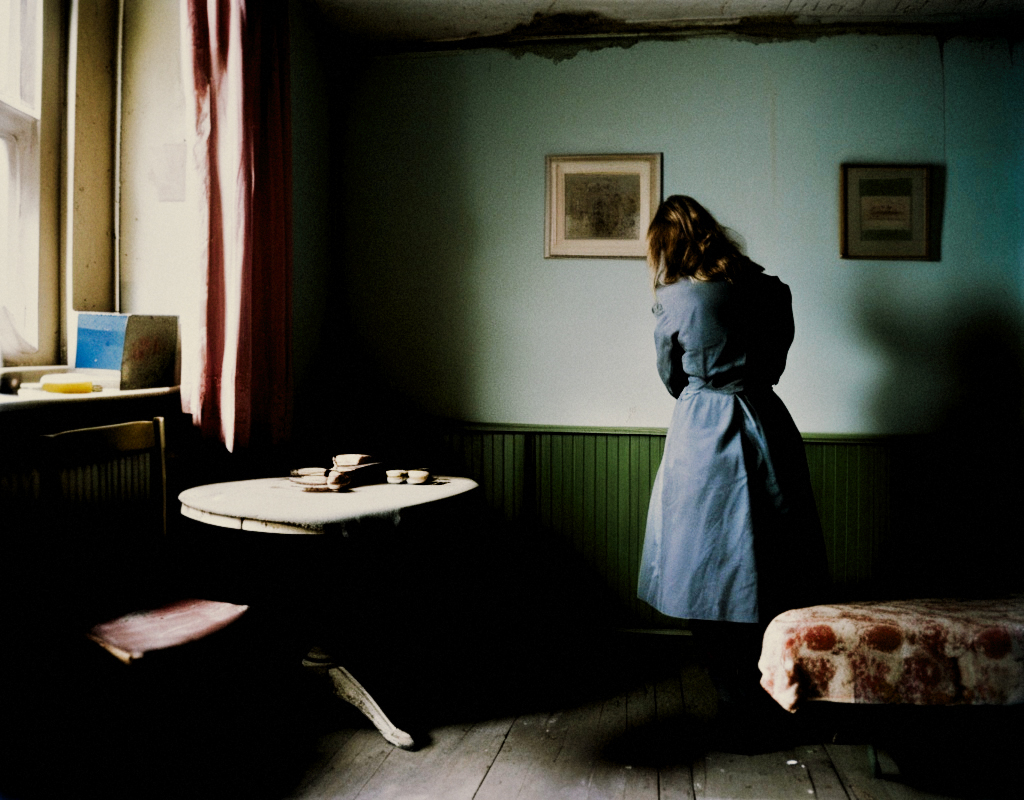
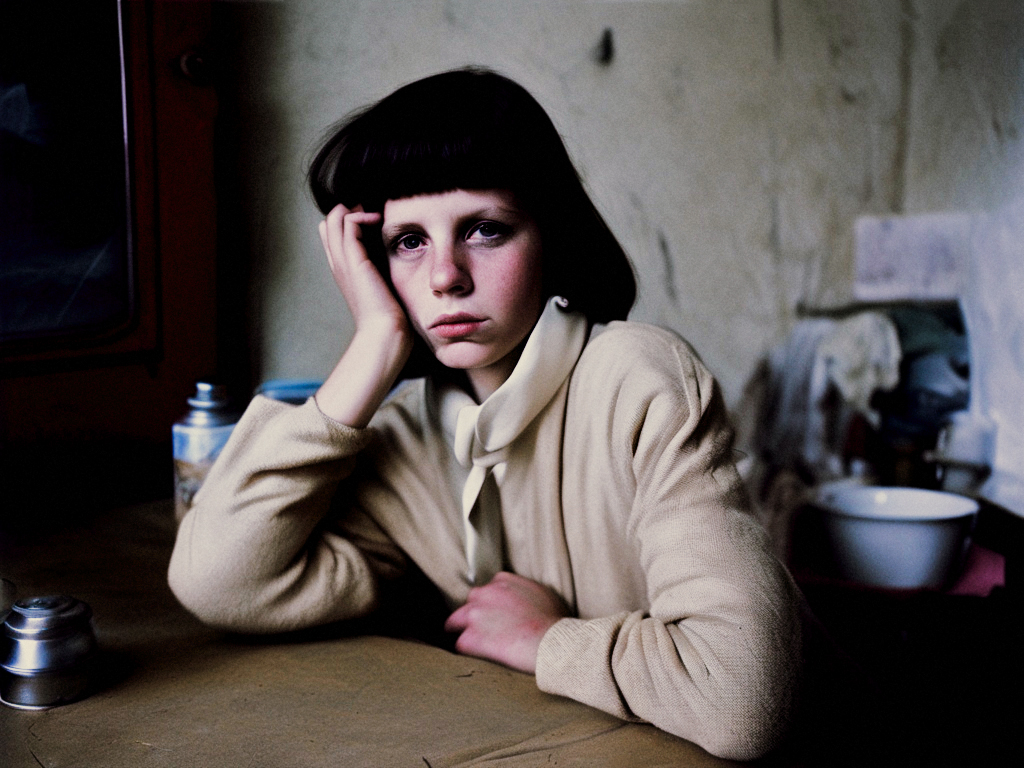
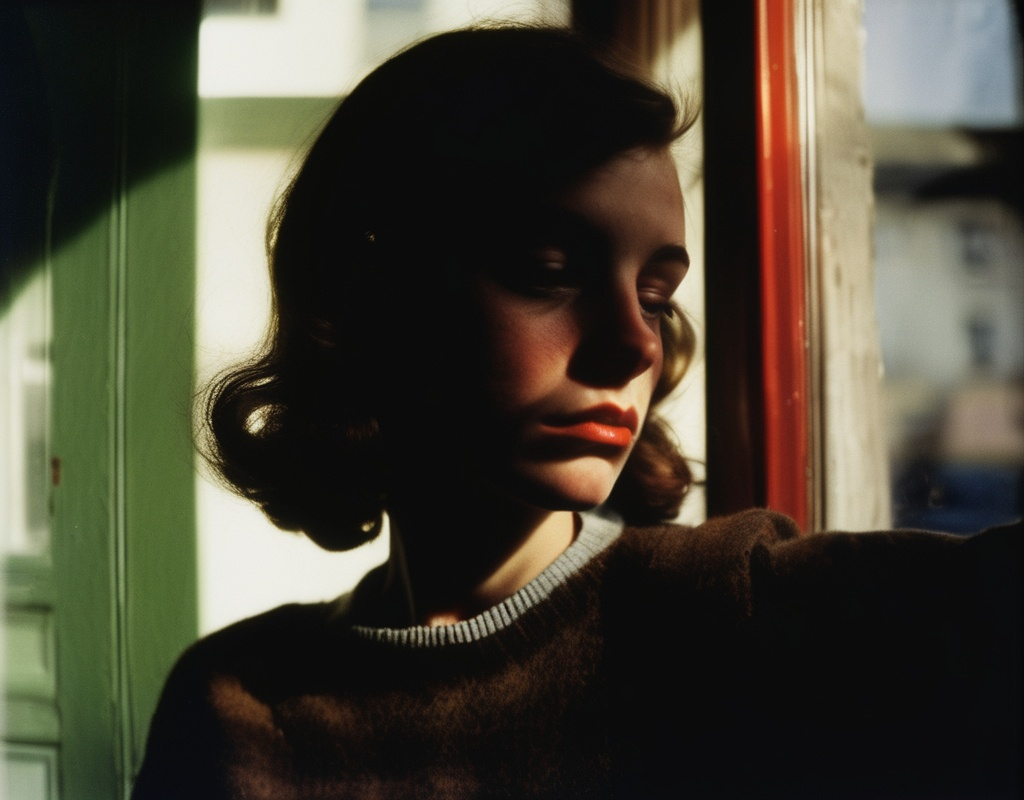
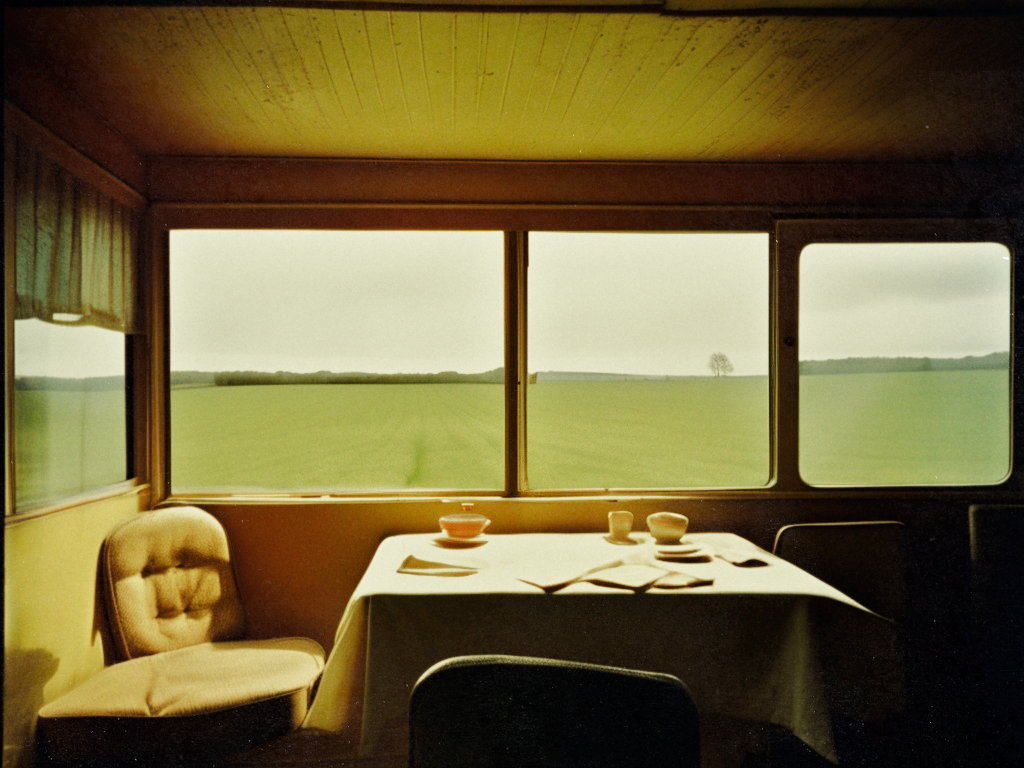
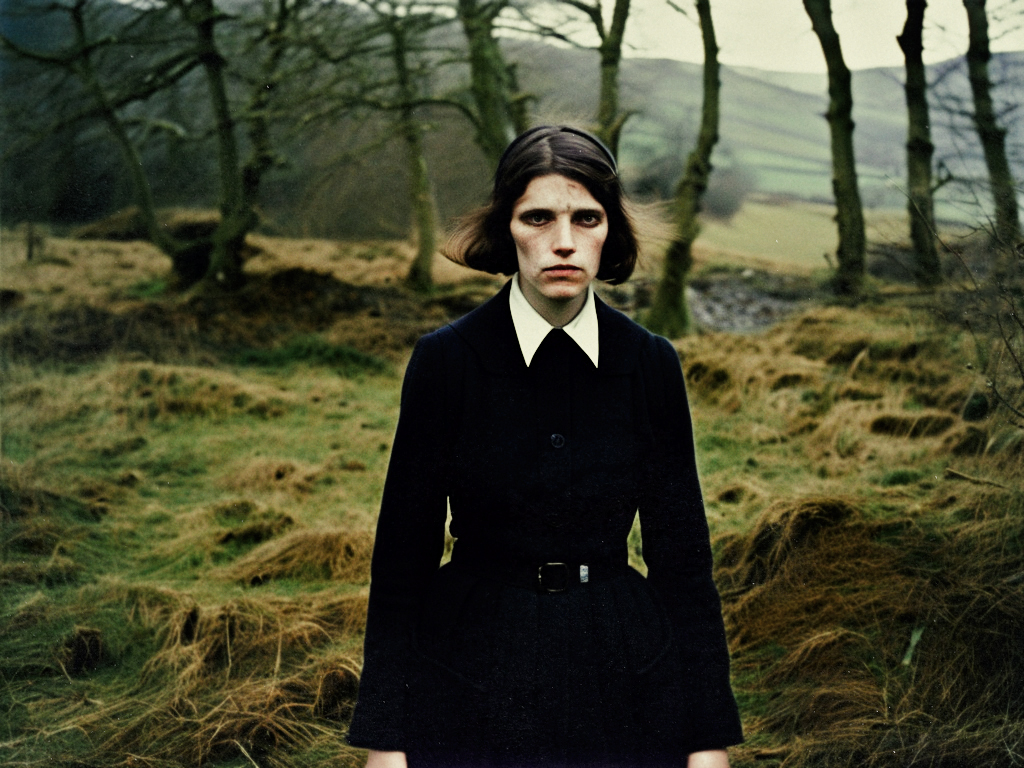
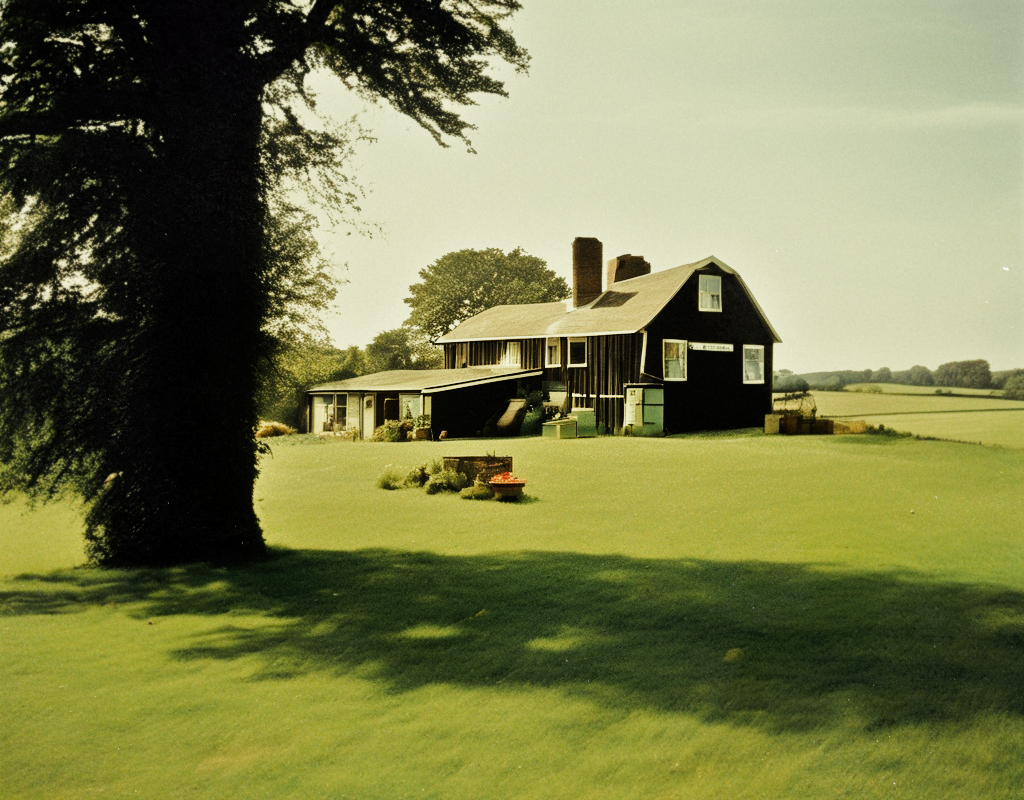
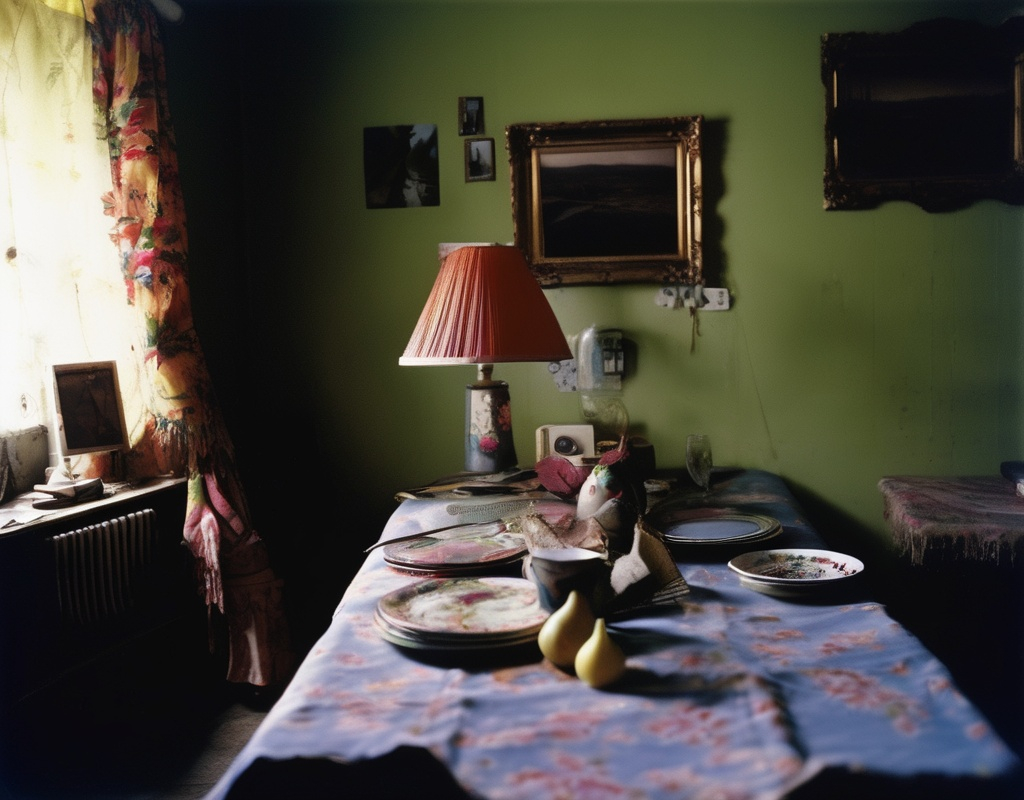
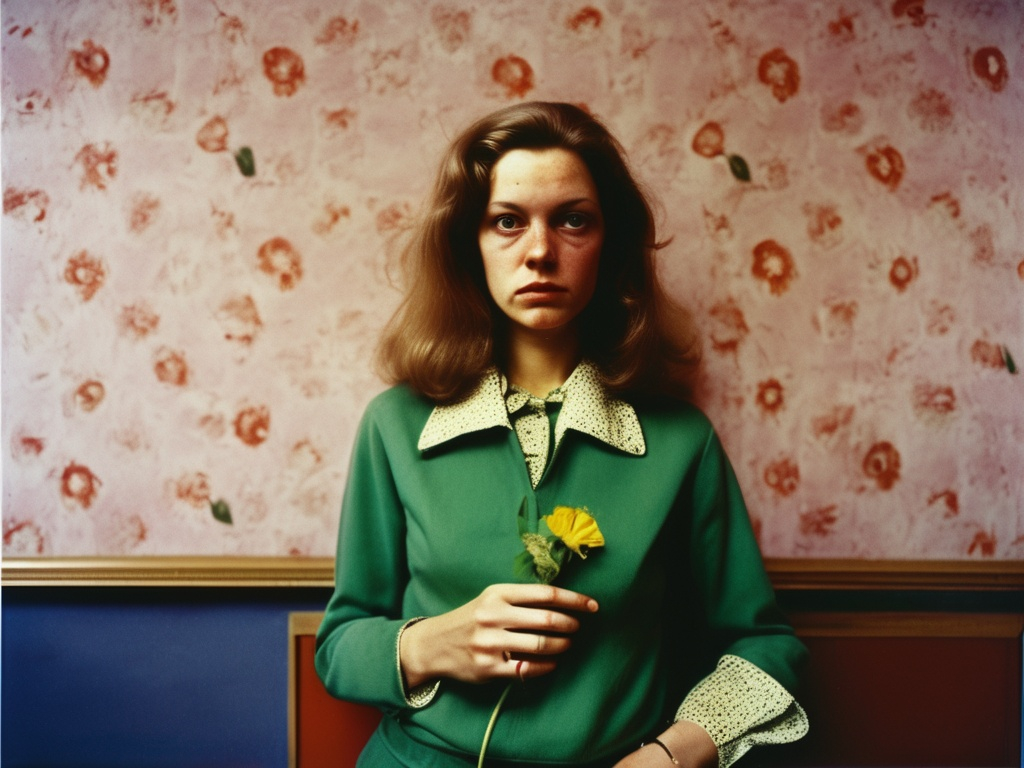
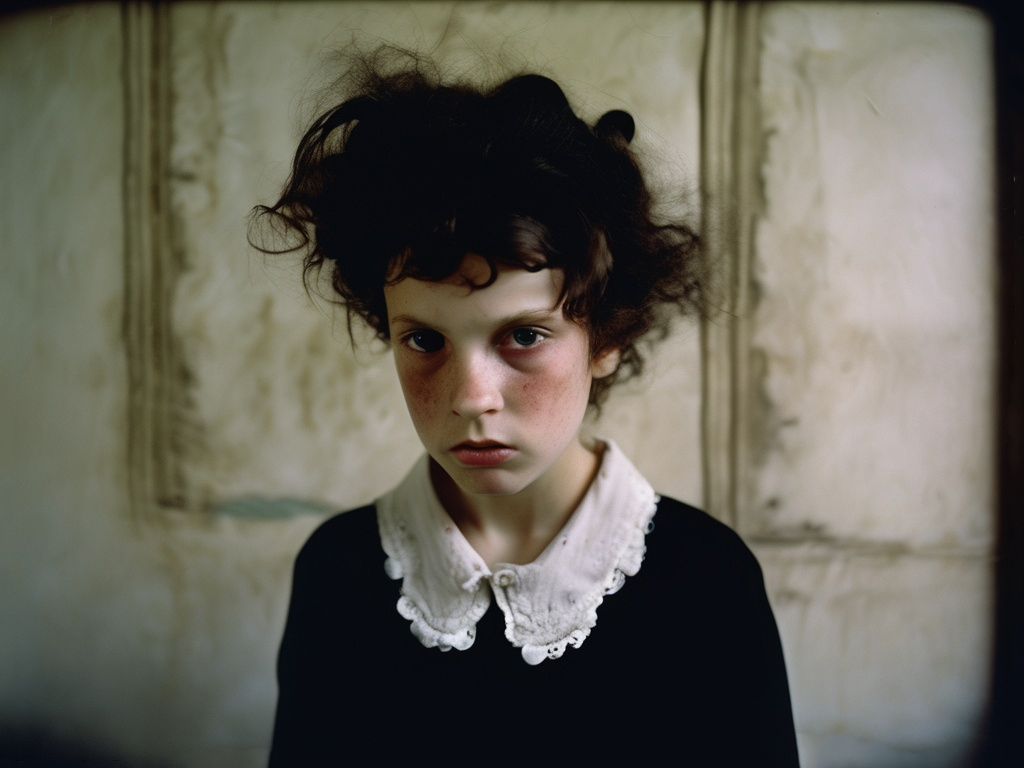
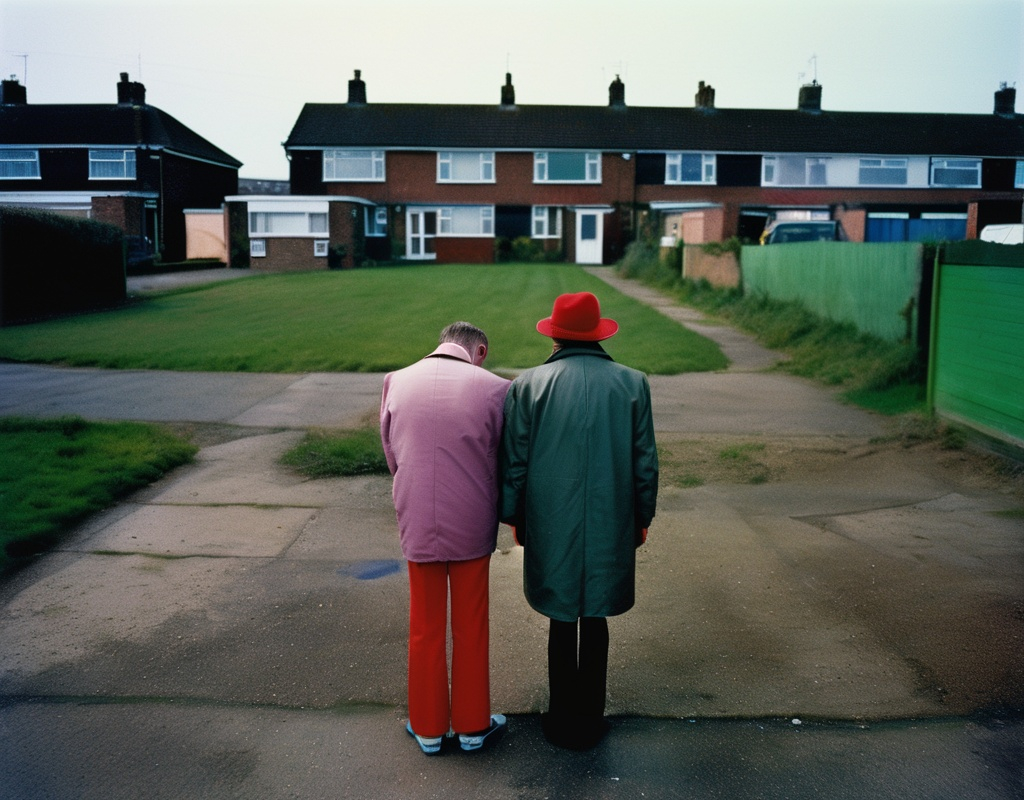
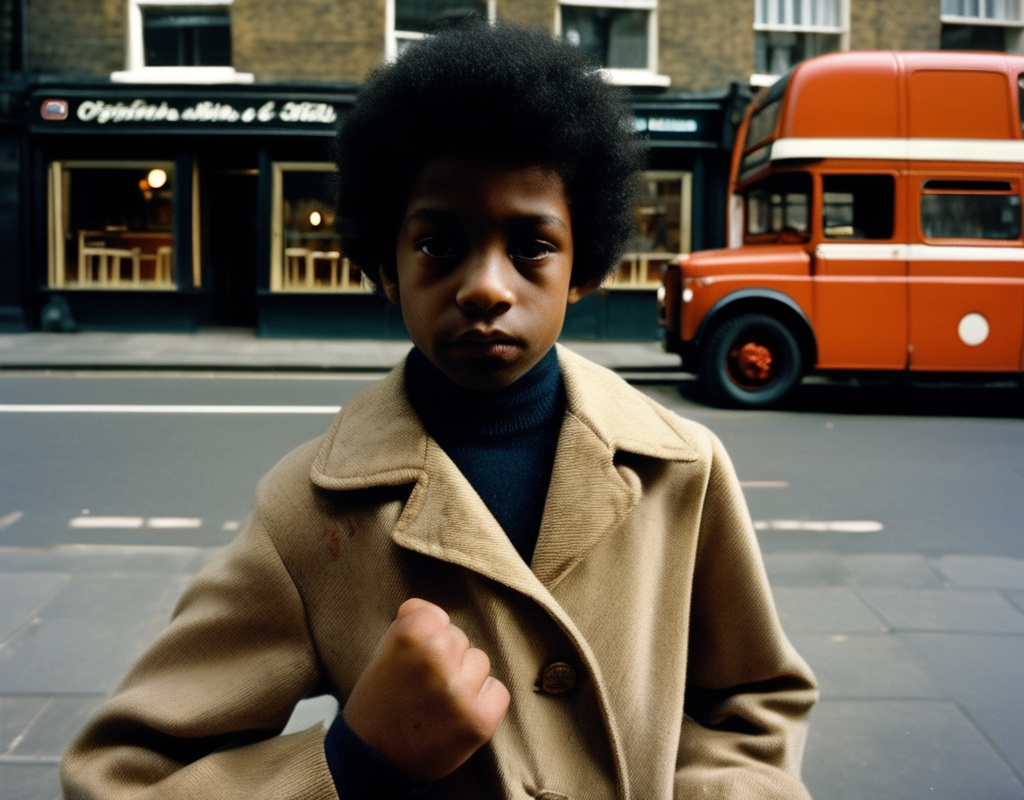
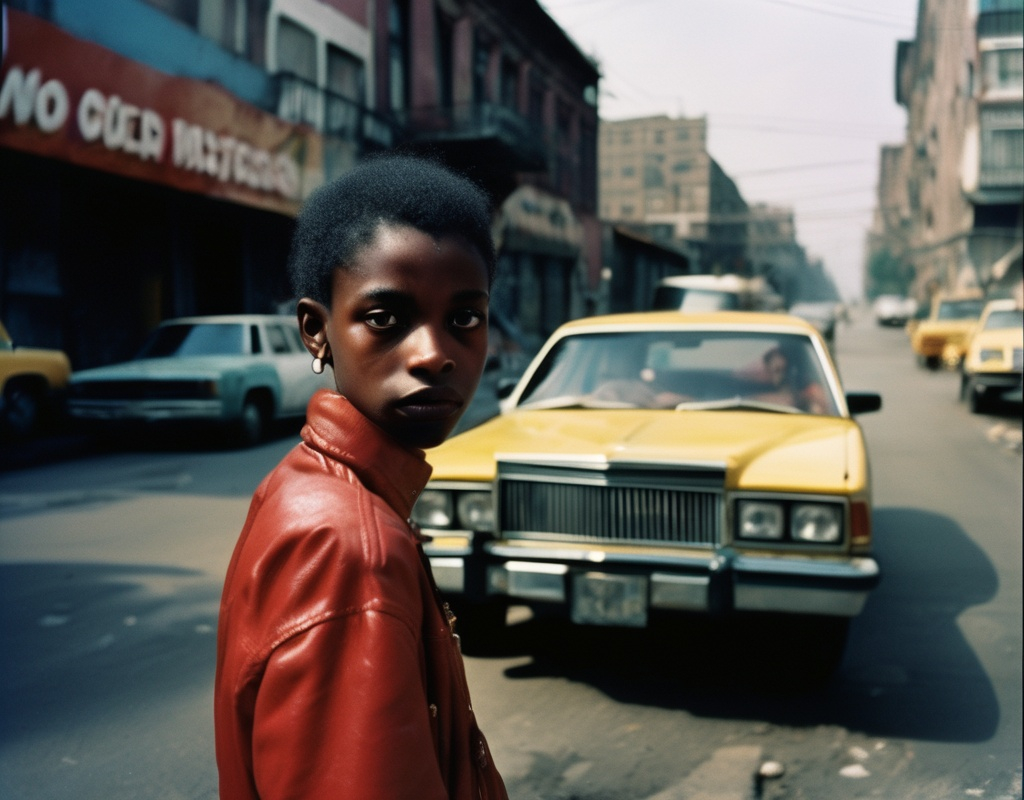
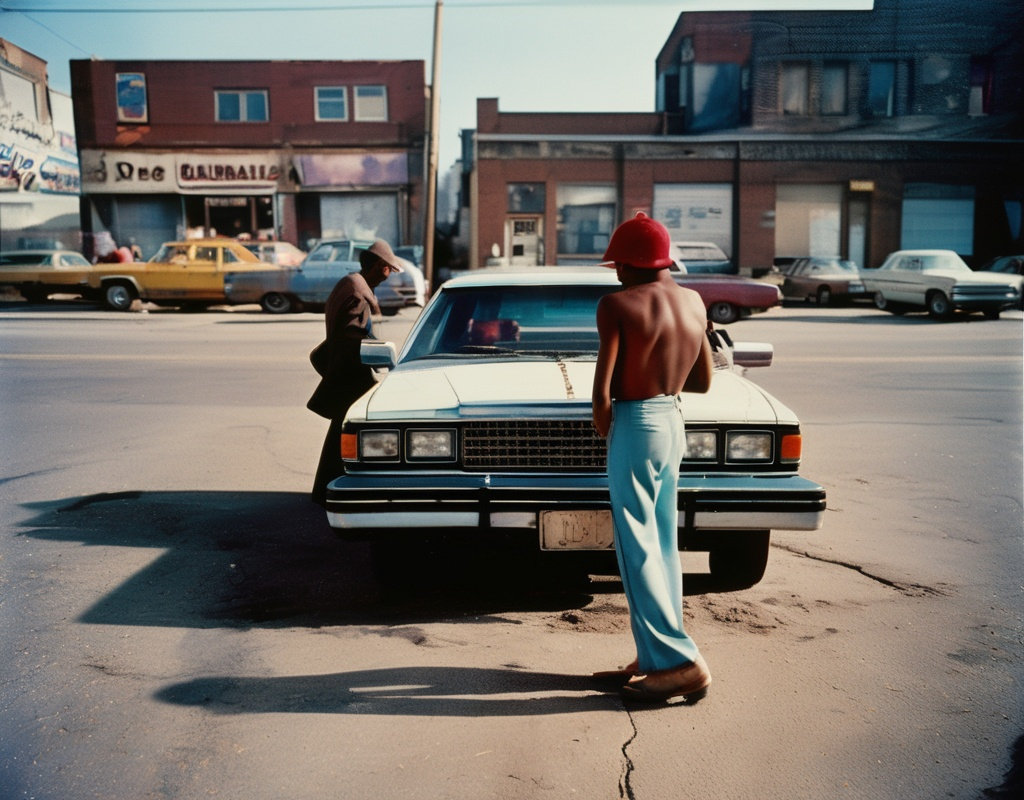
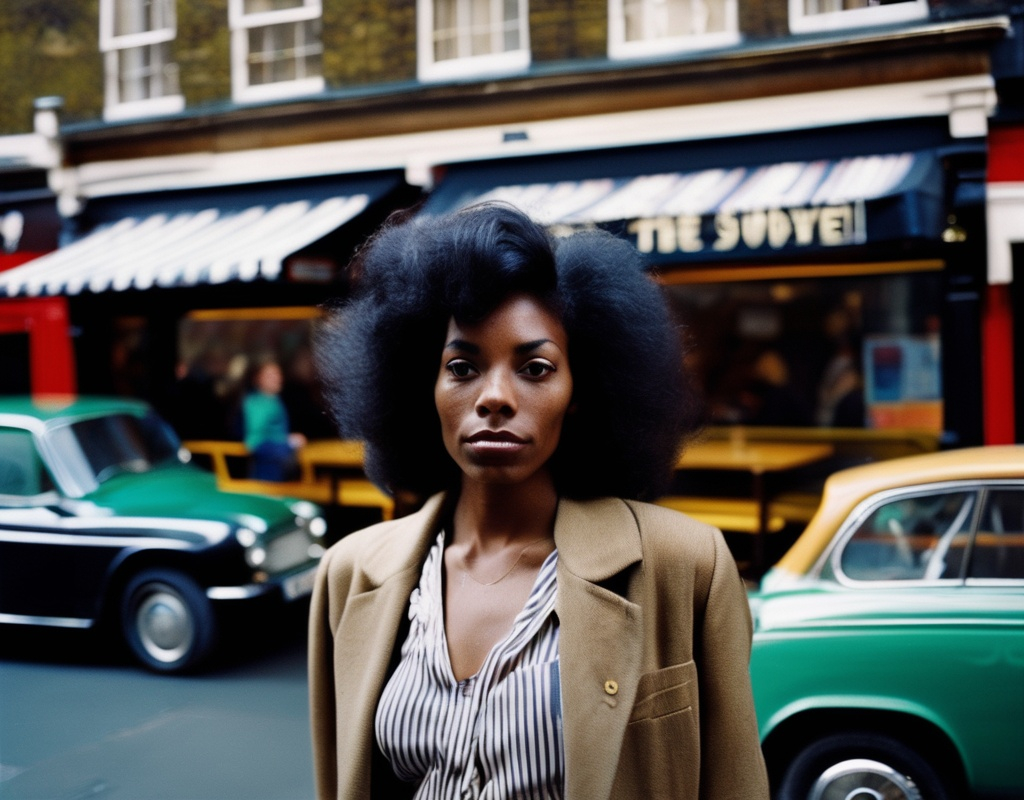
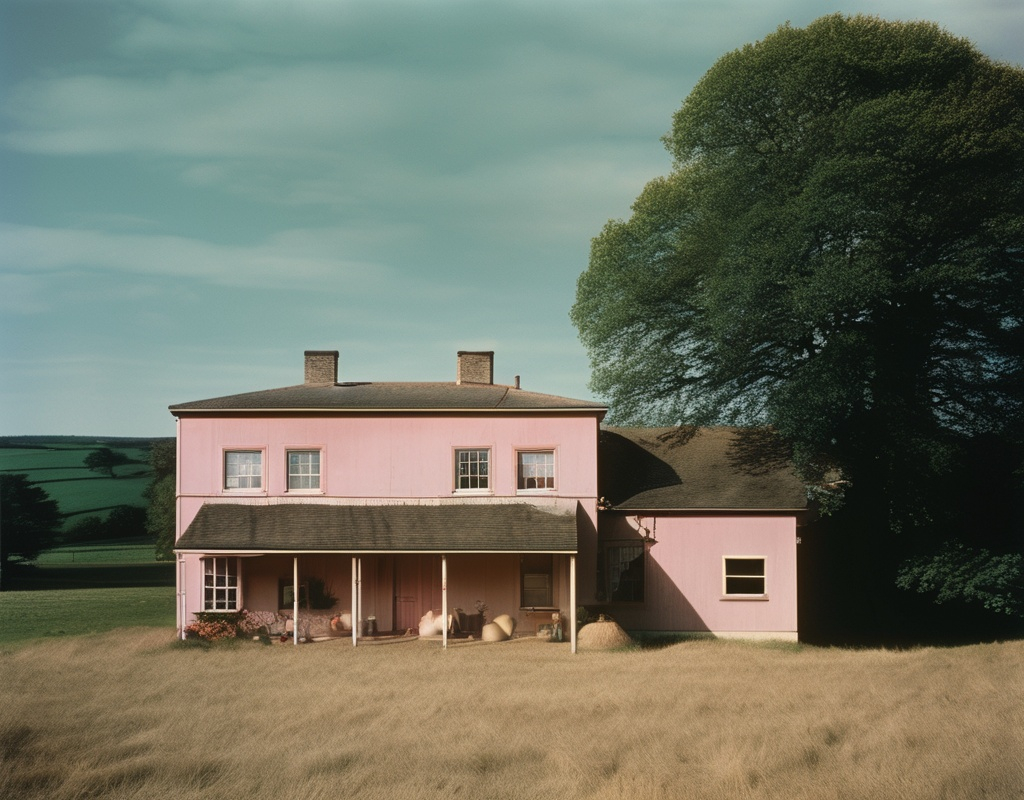
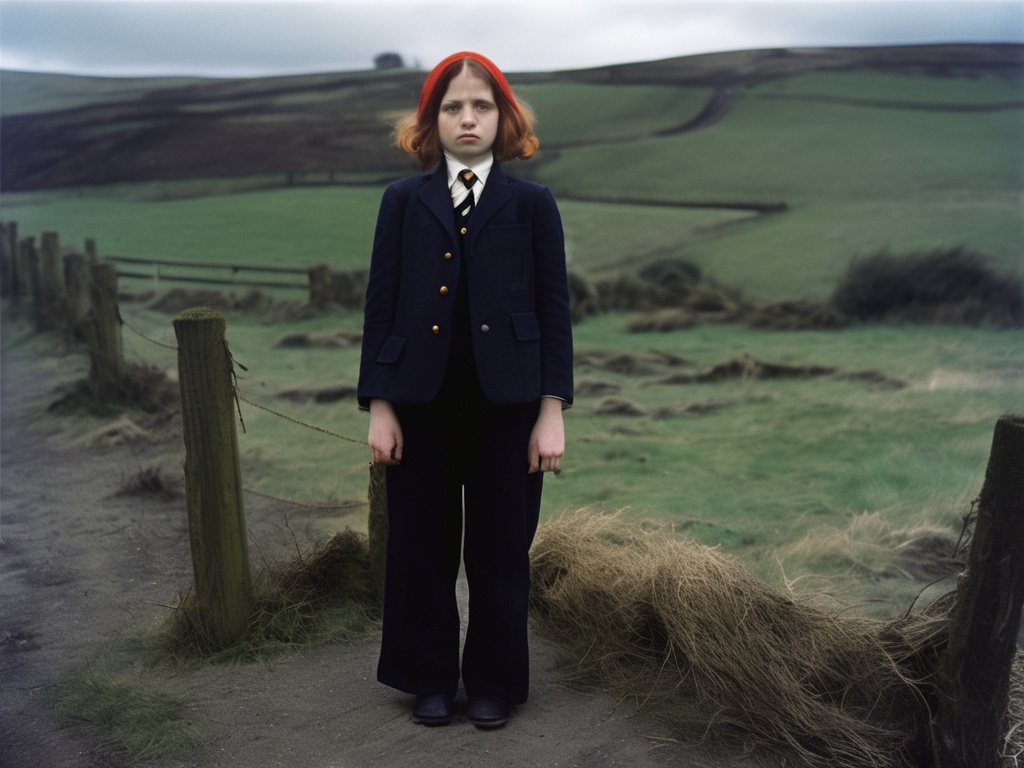
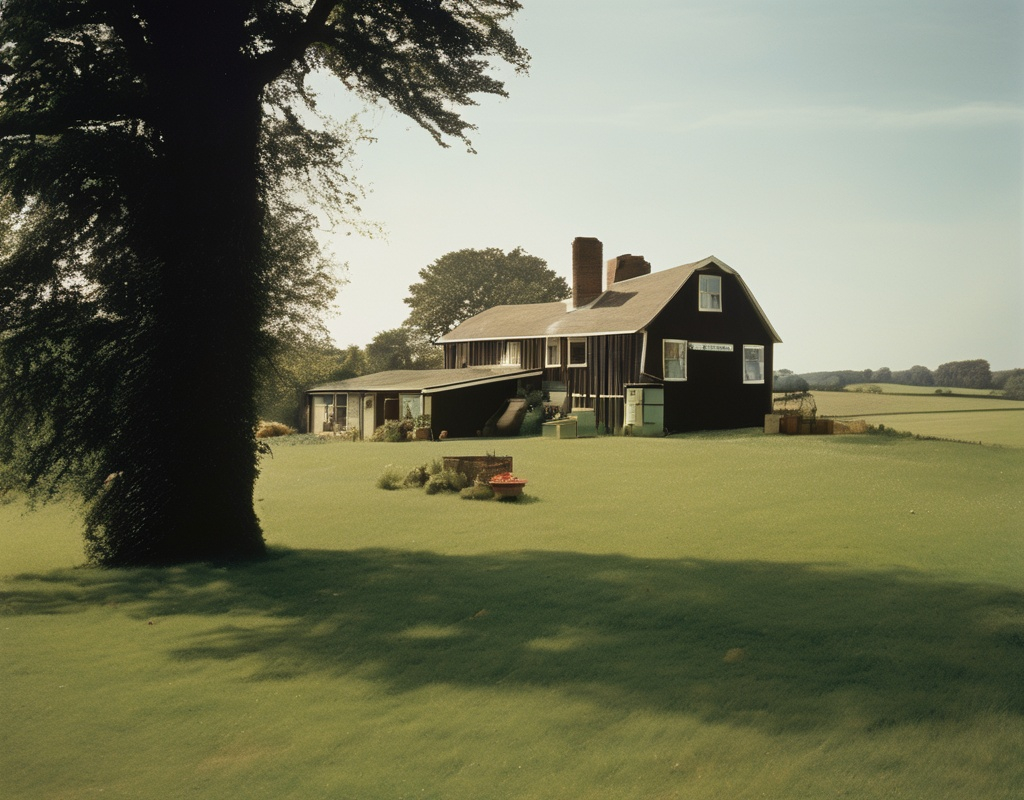
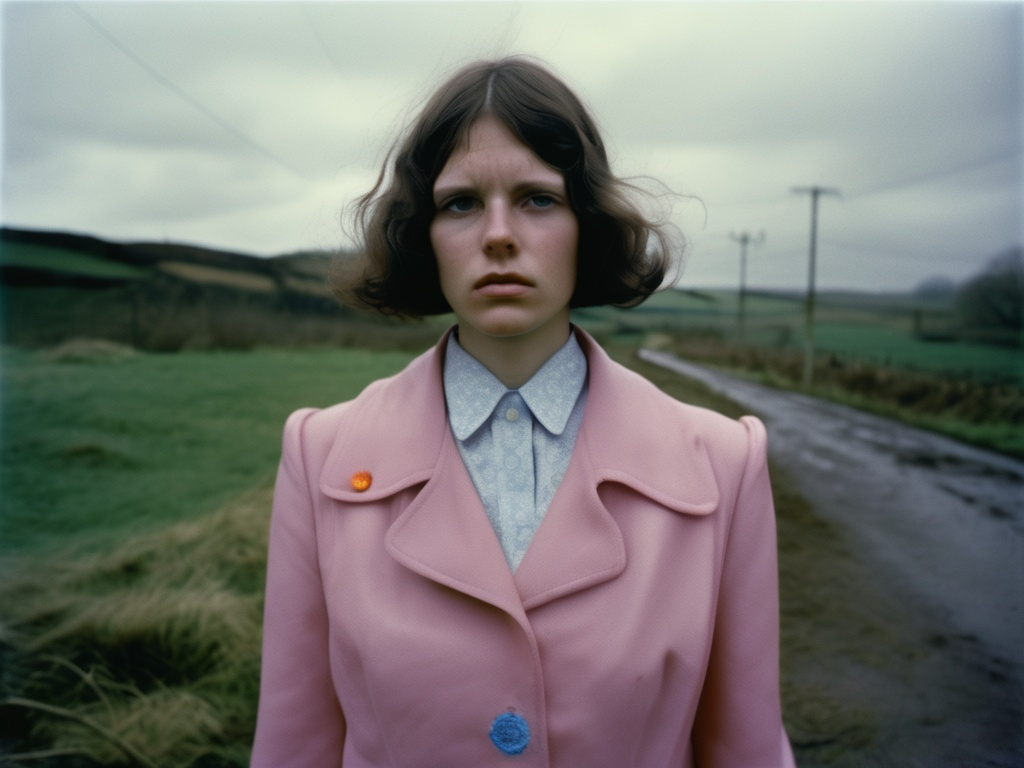
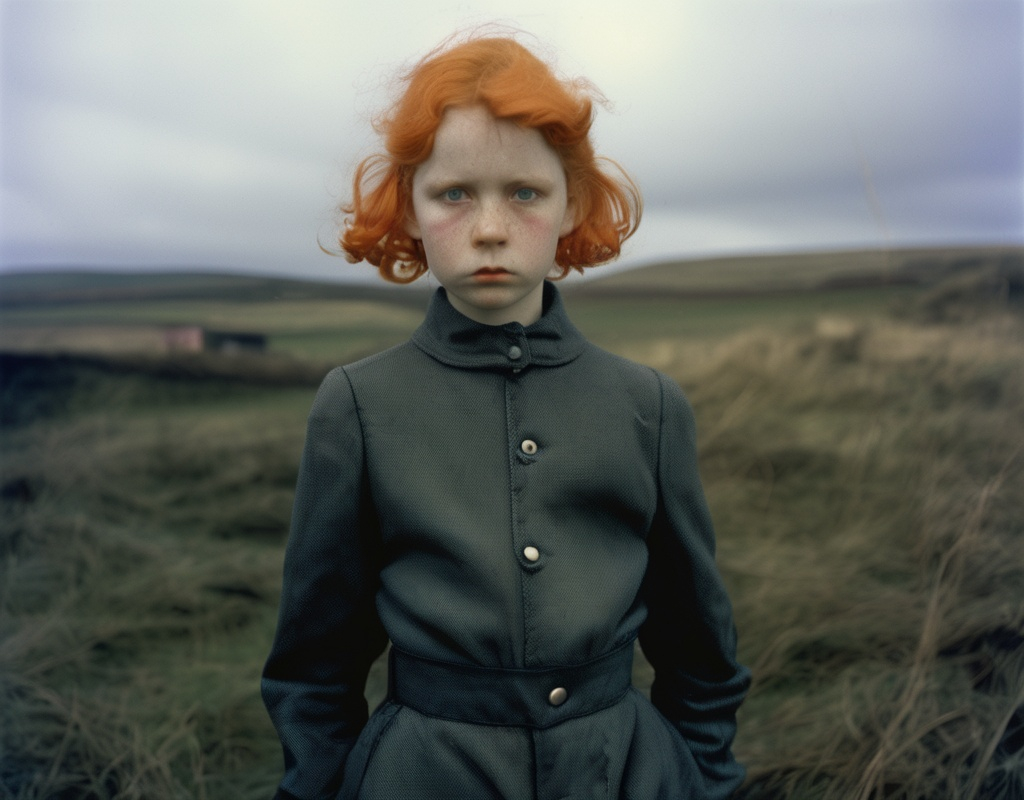
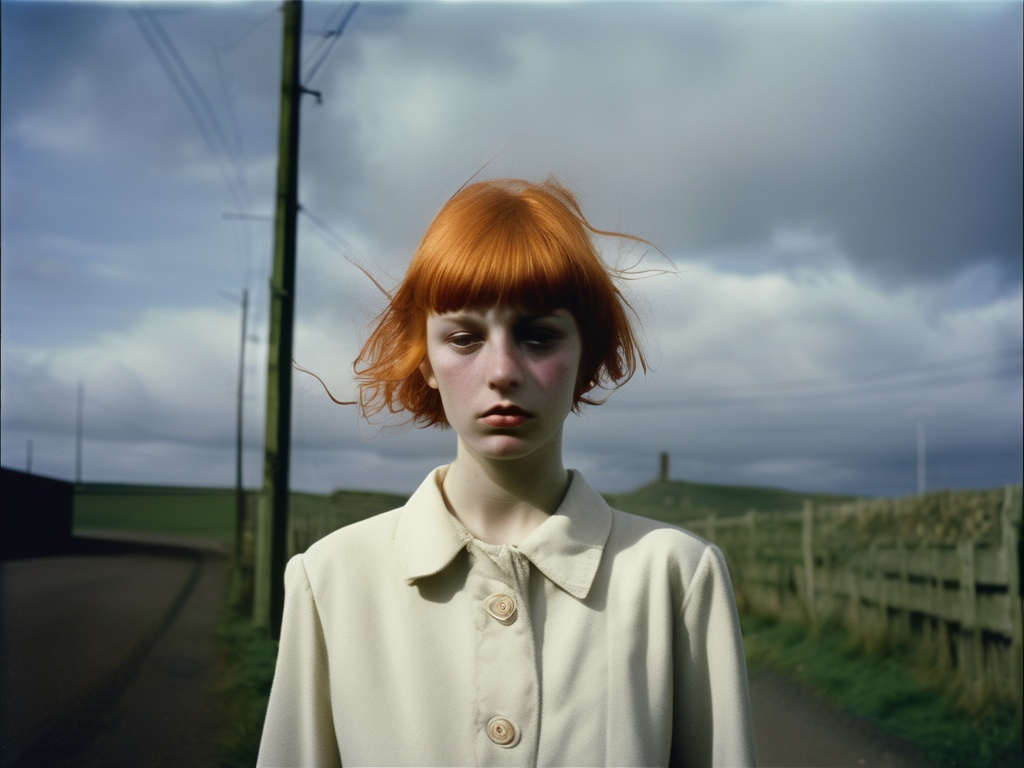
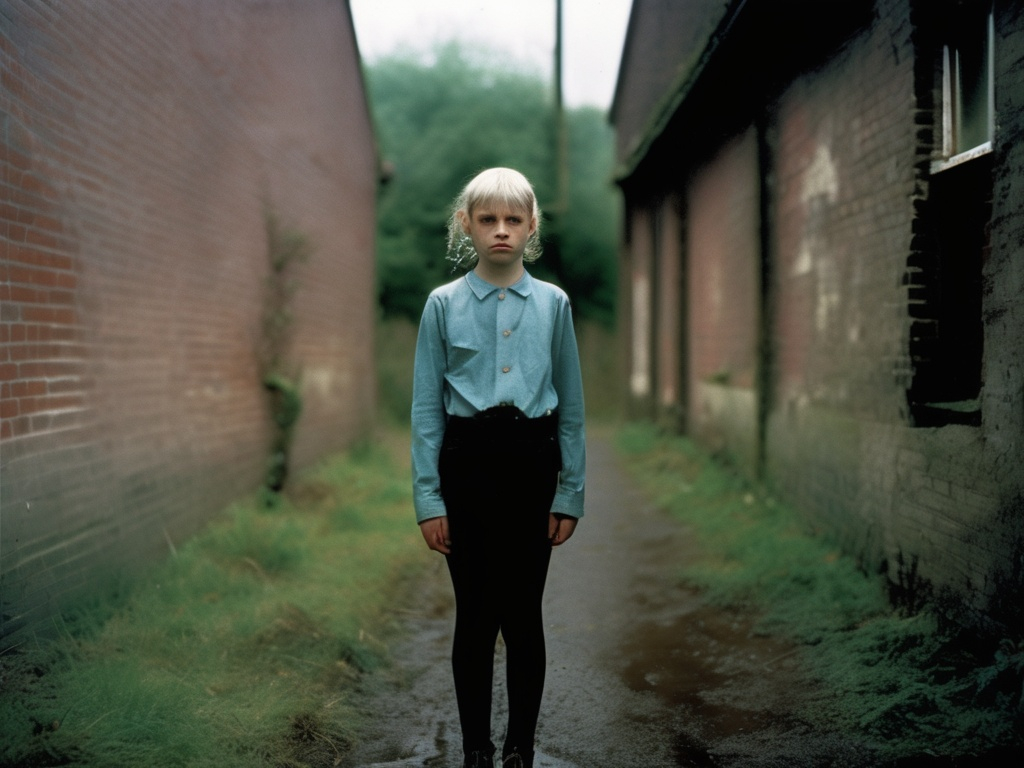
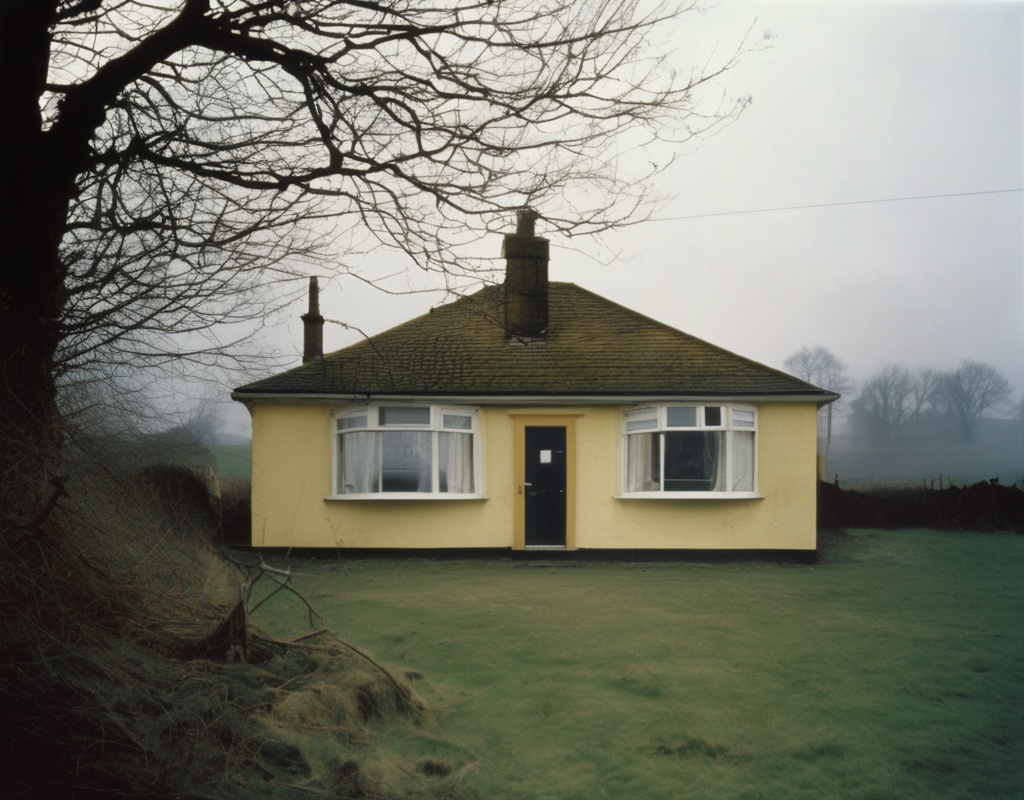
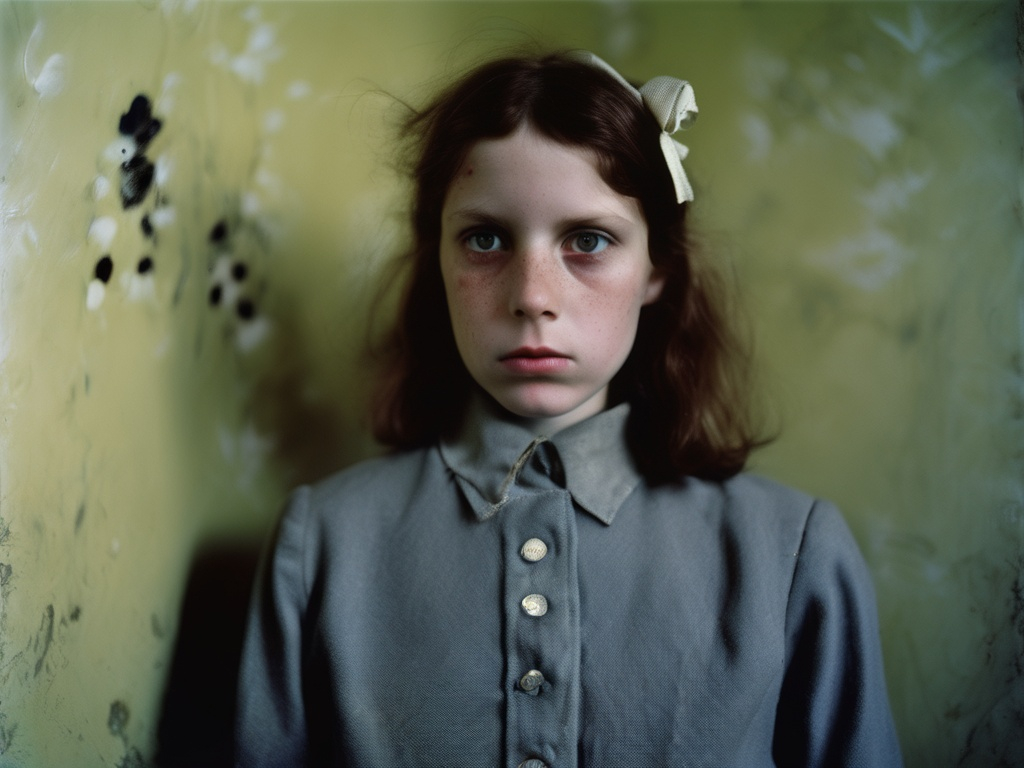
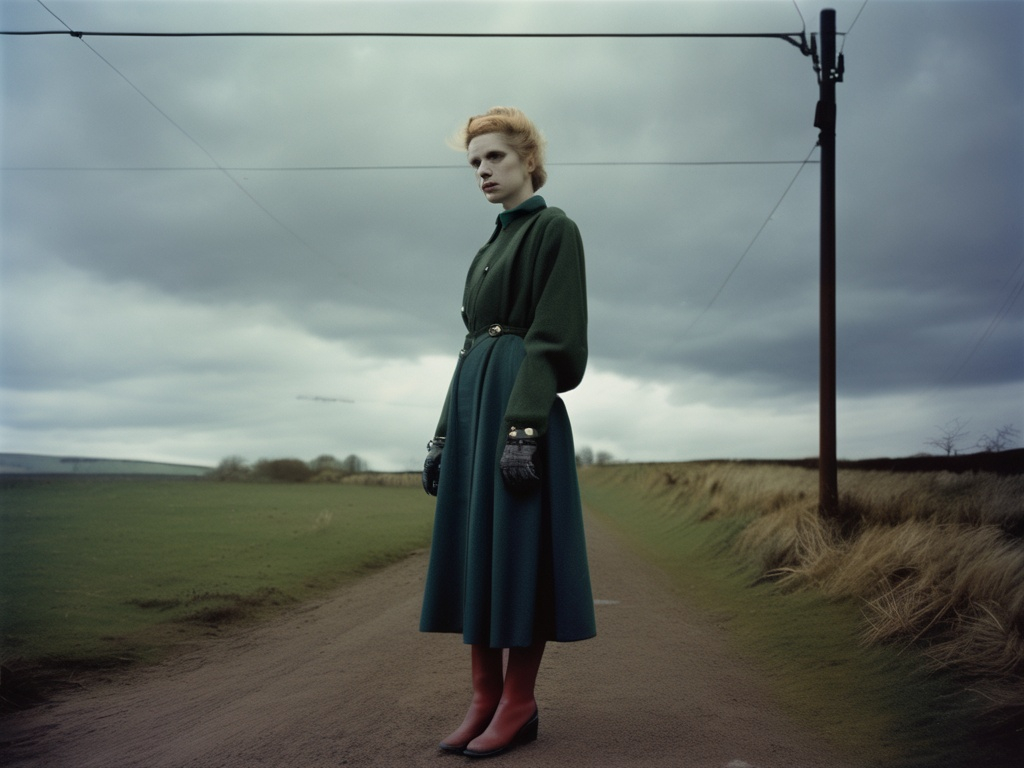
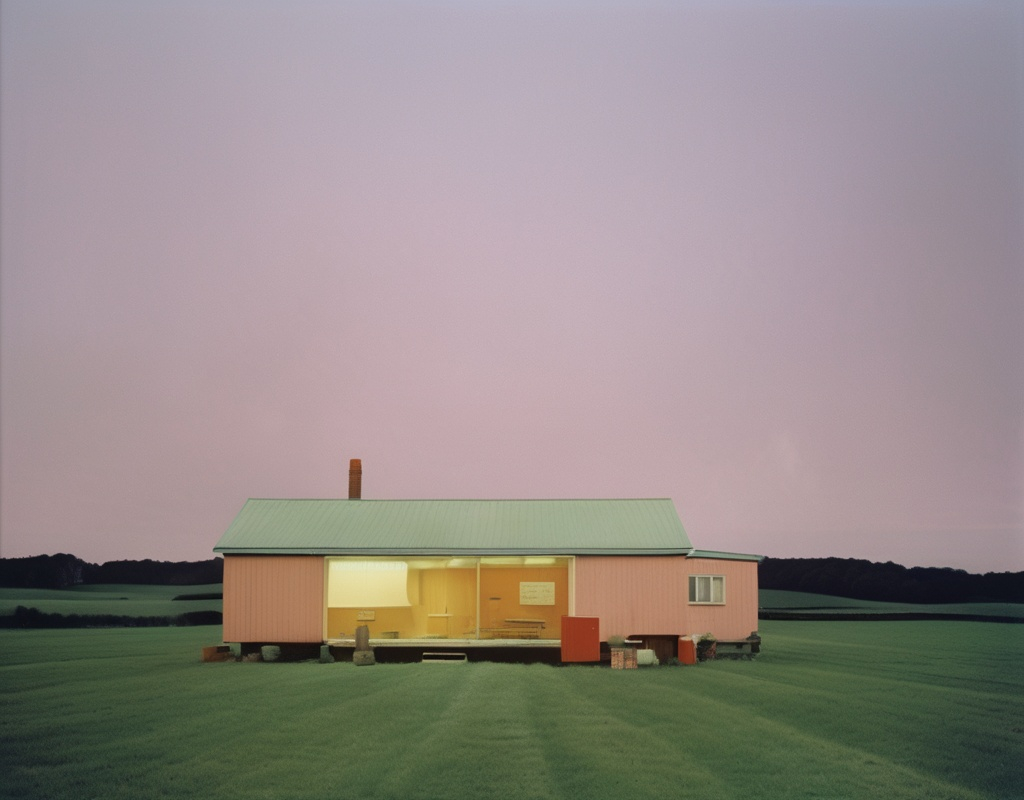
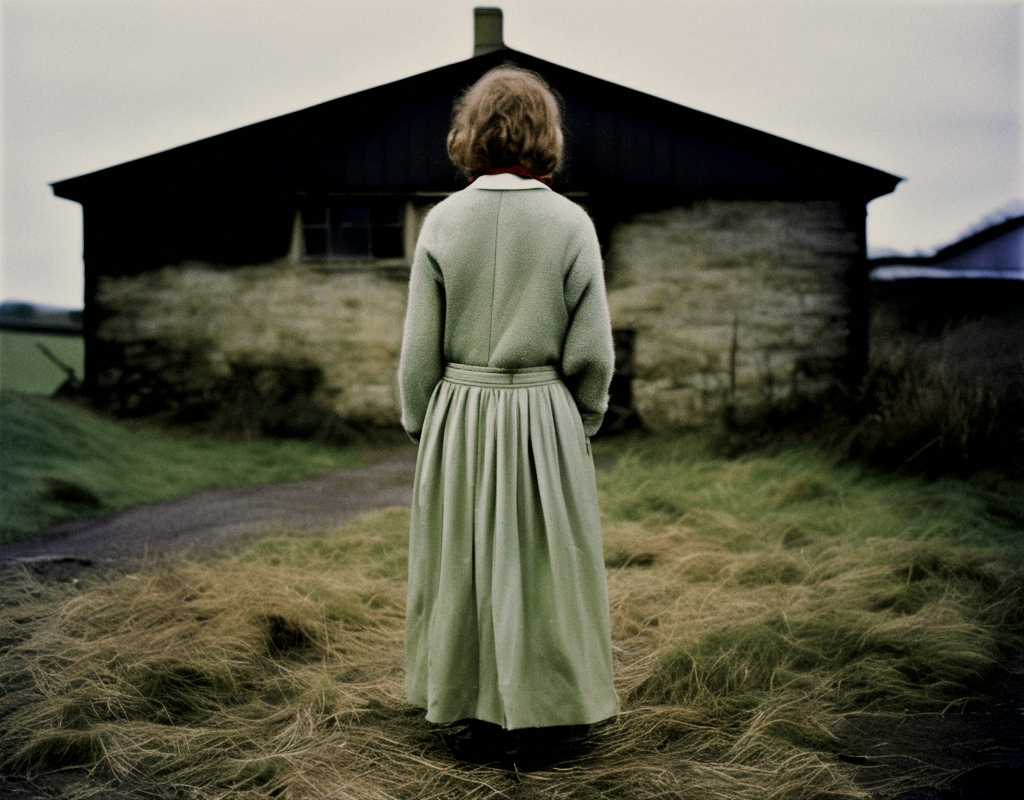
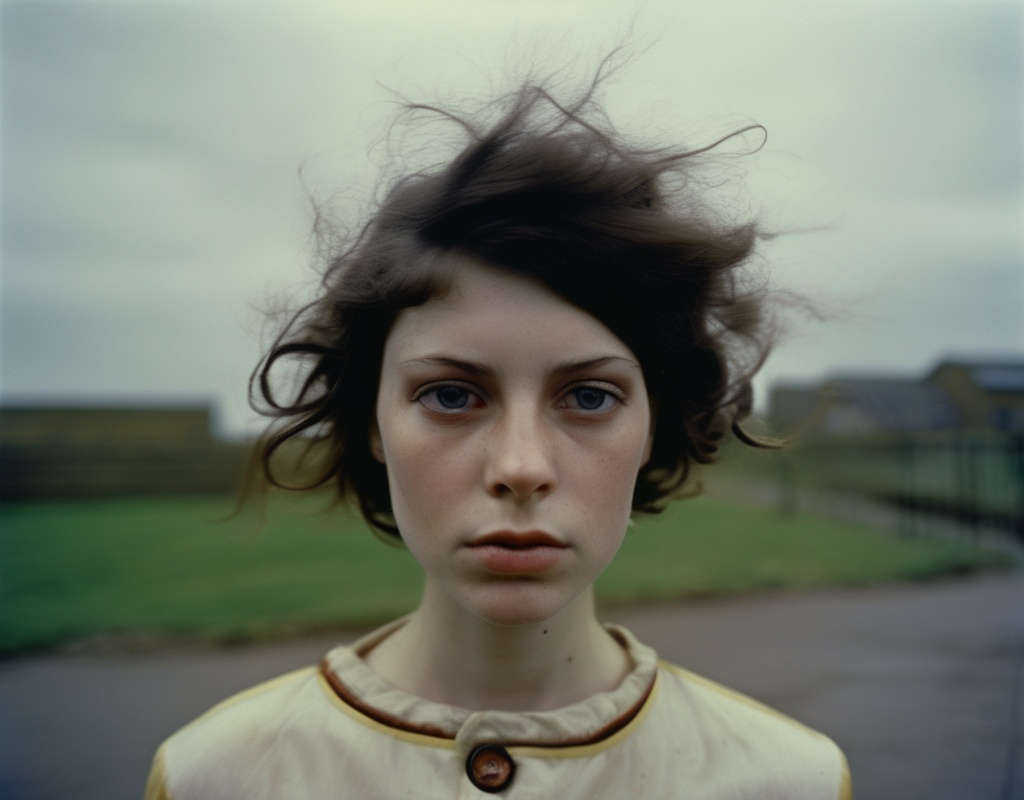
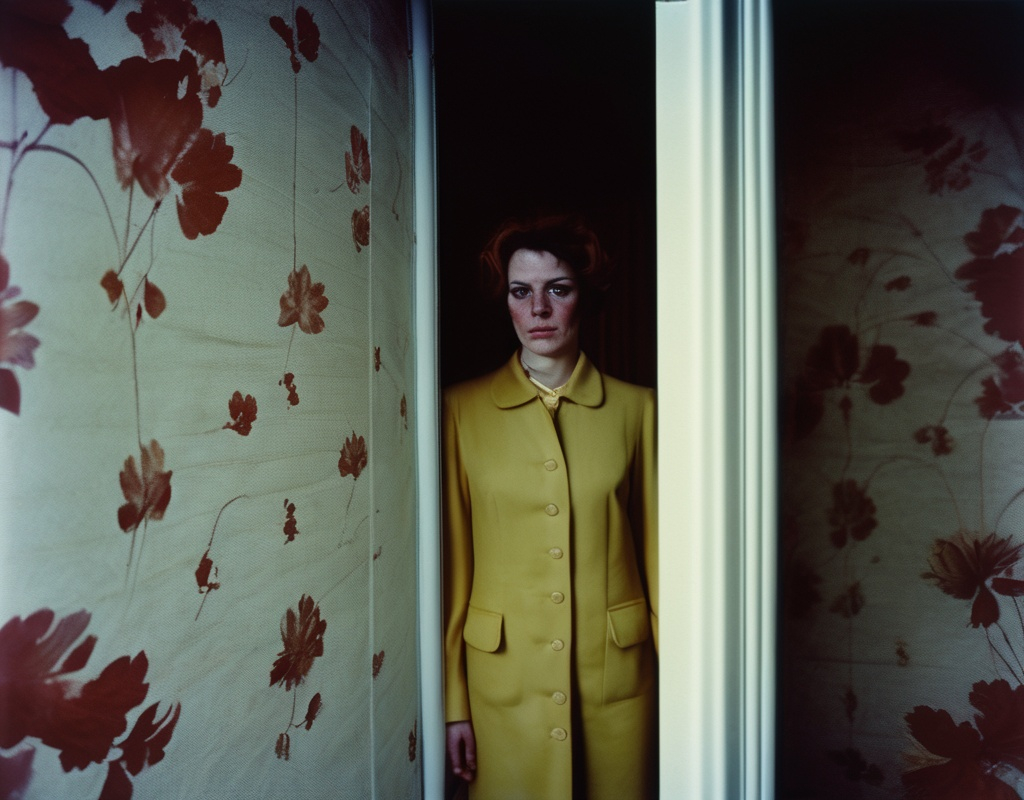
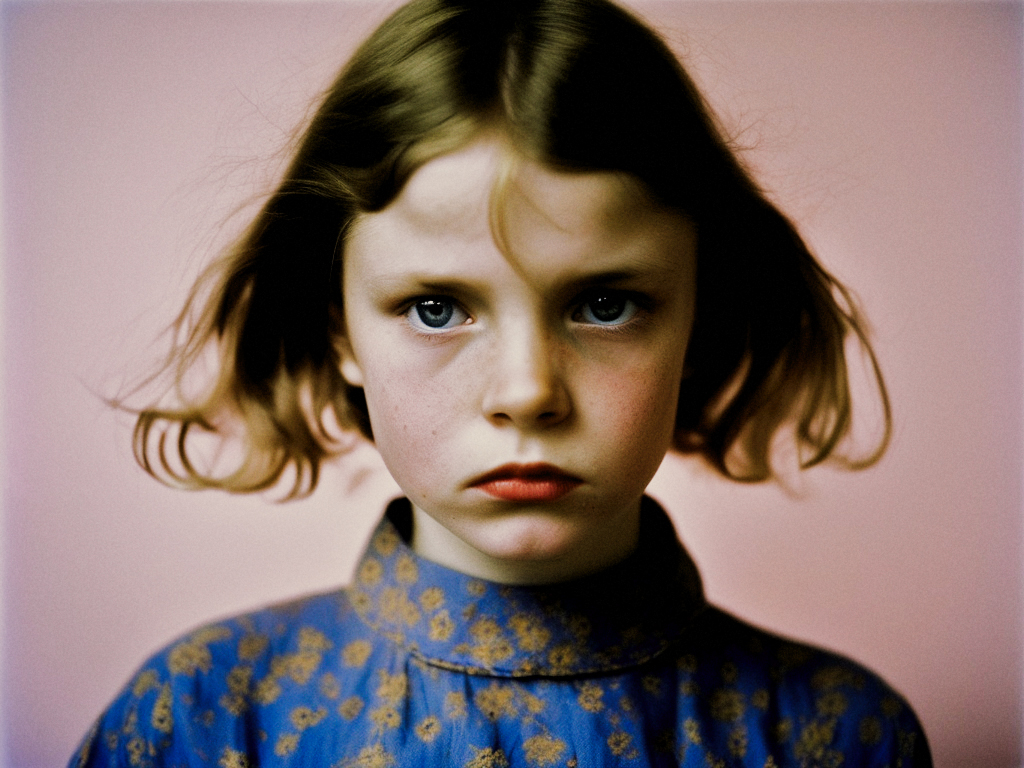
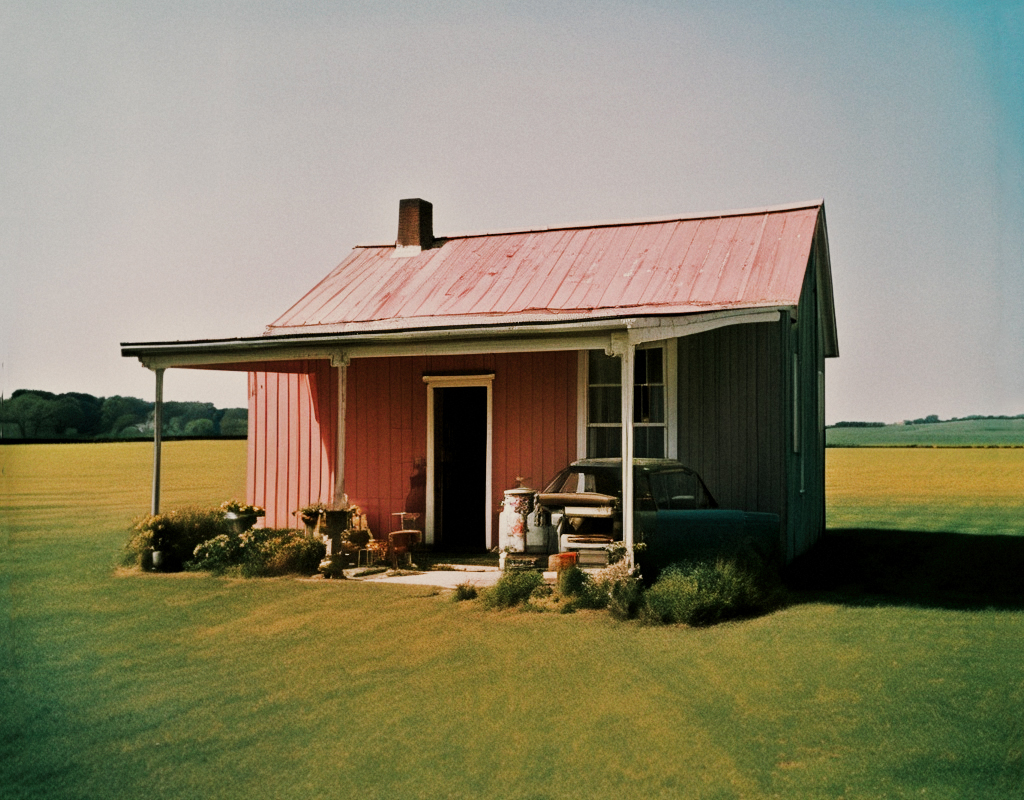
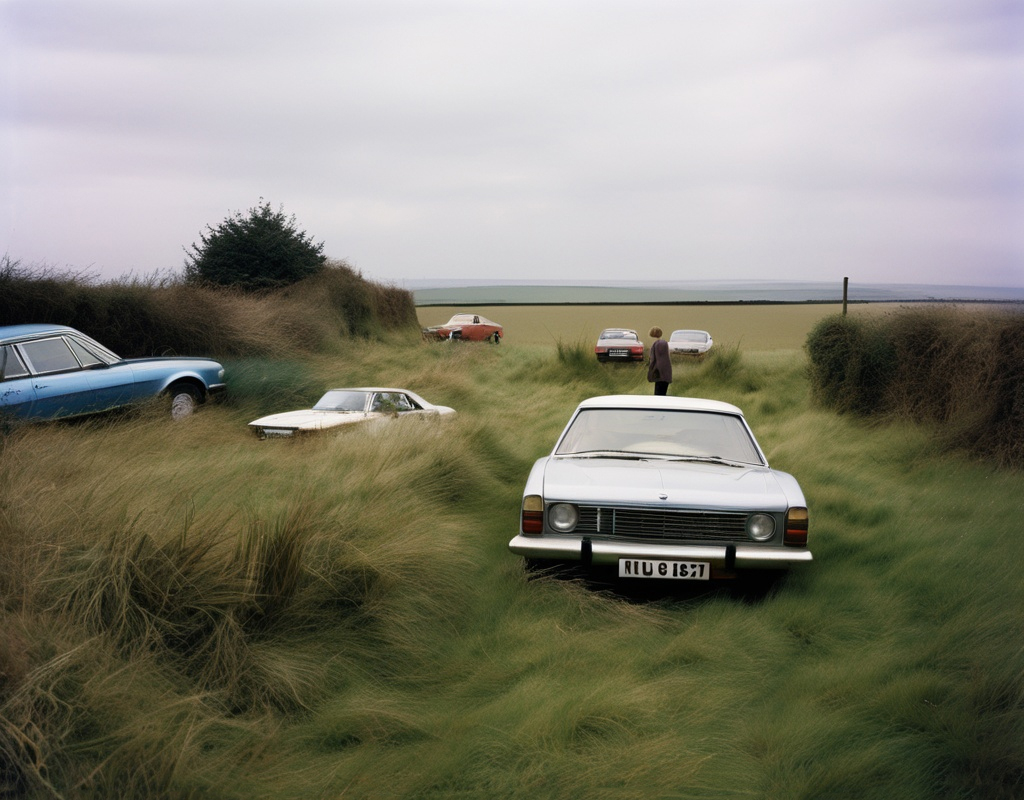
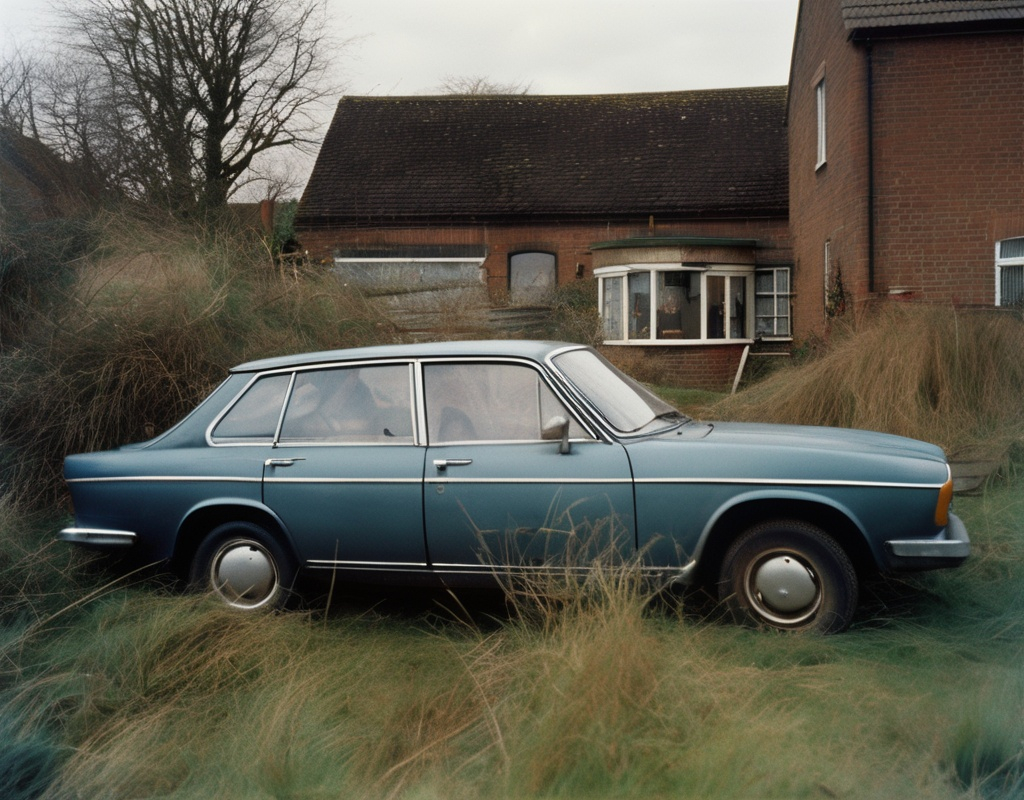
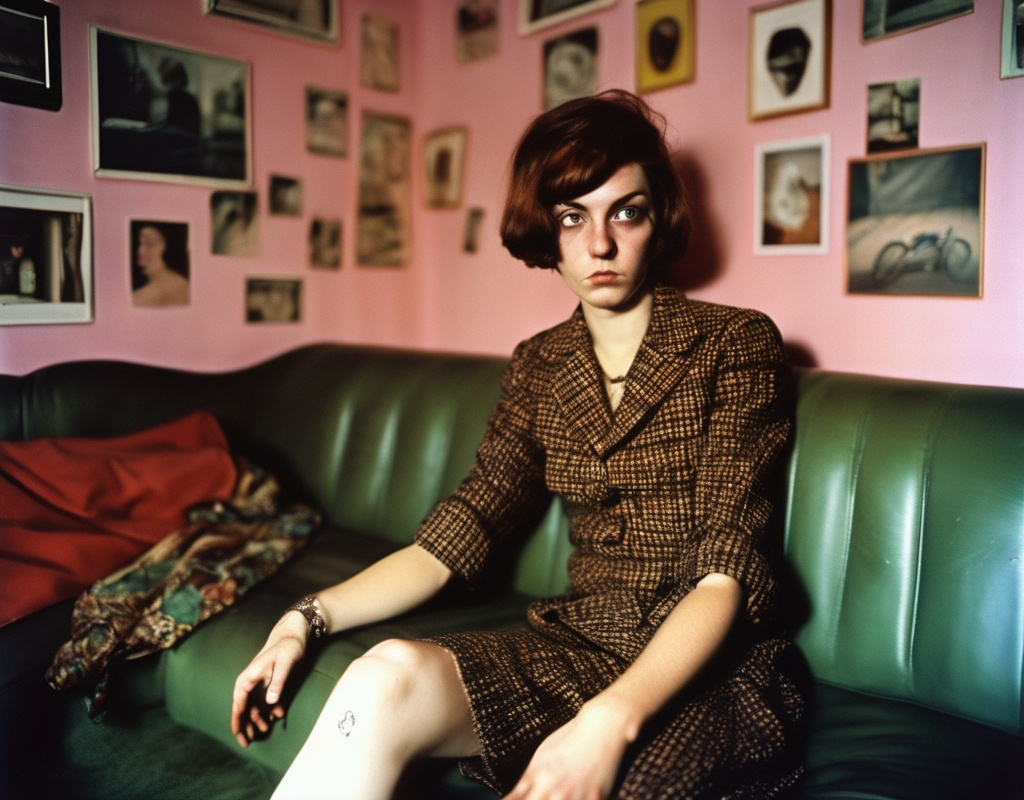
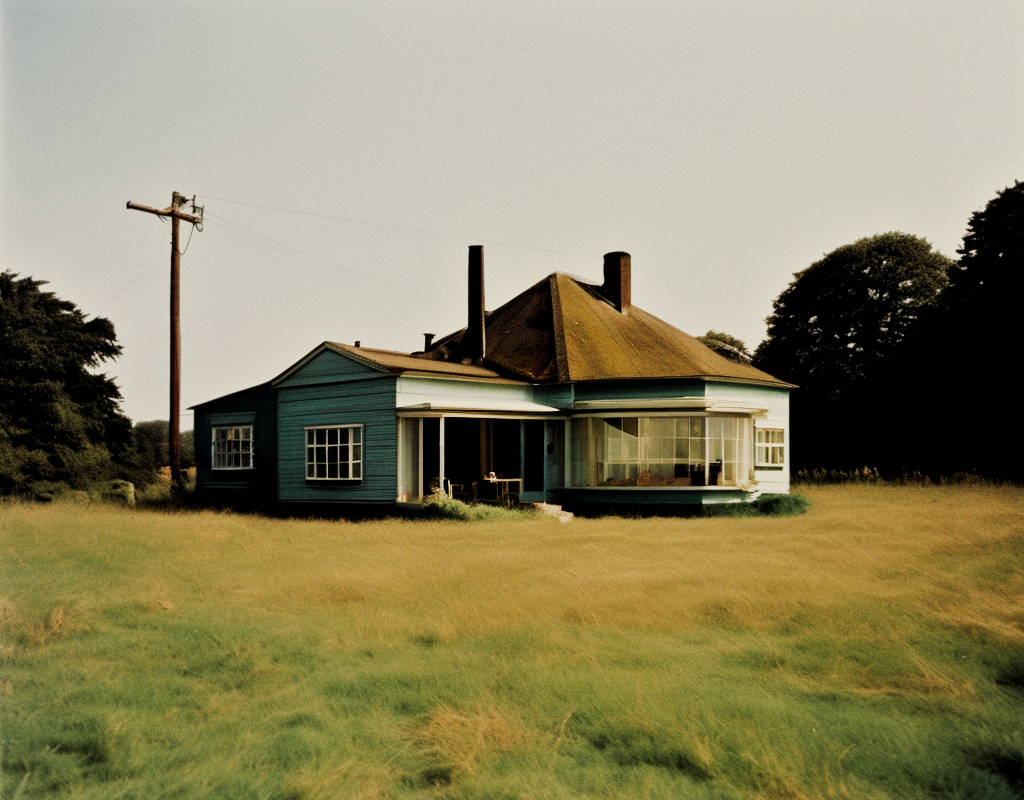
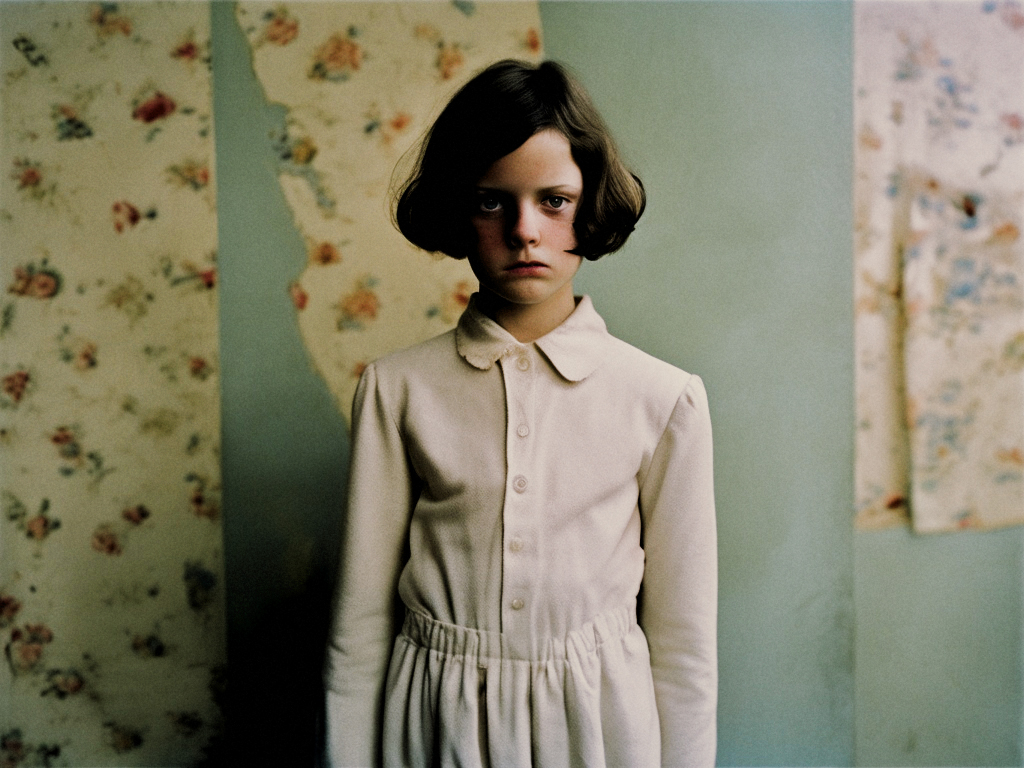
Simultaneously, the series uncovers a "slow fury"—a timeless and marginalized provincial existence. This is an England that feels temporally ambiguous, where the atmosphere is heavy with a quiet, simmering discontent. The portraits of youth, such as the young girl with the intense gaze and the young men on the street, serve as embodiments of this latent fury. They represent the generation that would inherit the decade’s profound social shifts, existing in a liminal space between innocence and disillusionment.
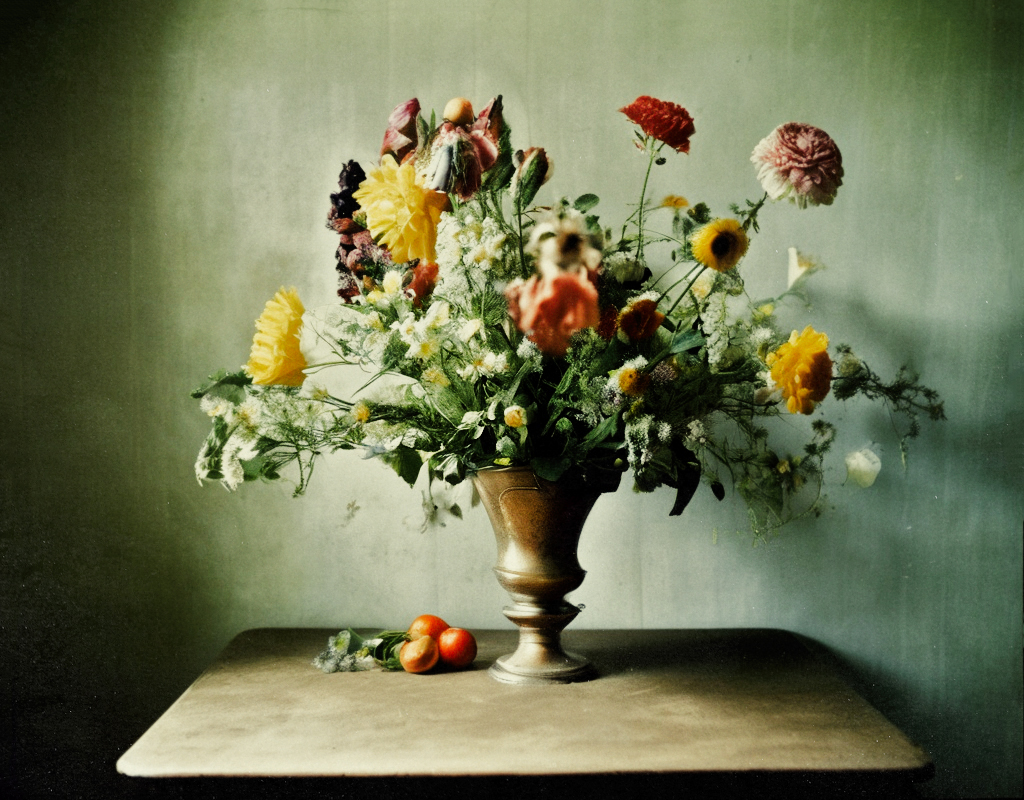
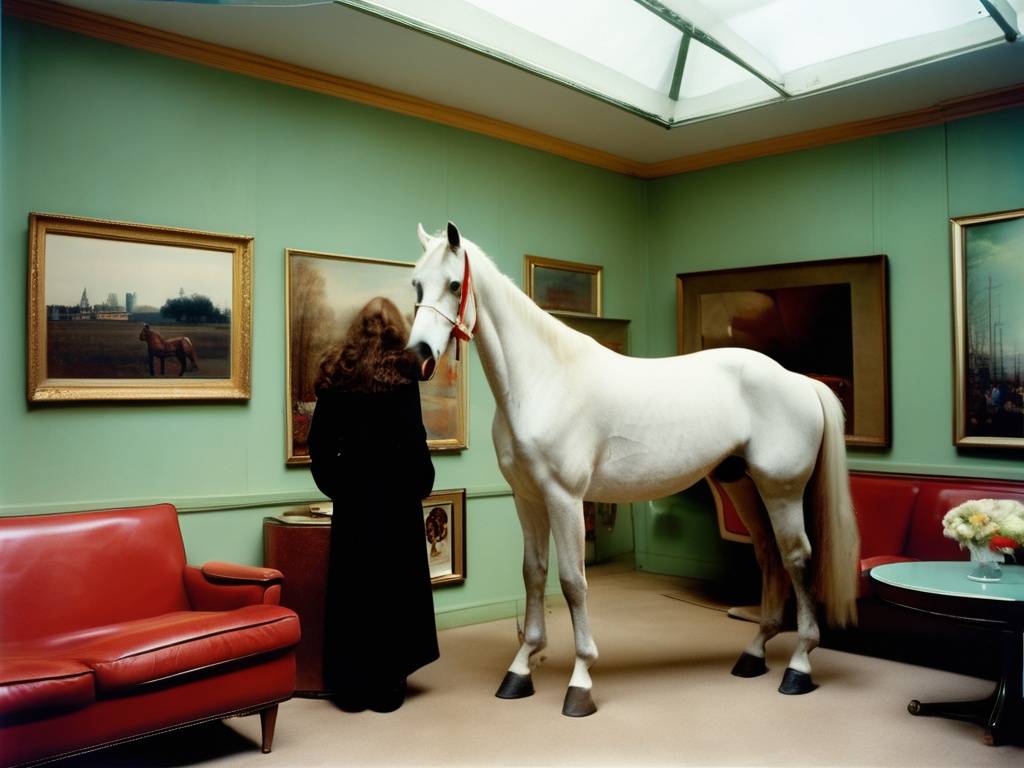
By utilizing generative AI, this project does not attempt to create a historical record, but rather a psychological and emotional landscape. It is an excavation of a collective memory, synthesizing the textures, light, and shadows of the 1970s to articulate a narrative about the inherent tension between progress and stagnation, and between a nation’s projected image and its lived experience.


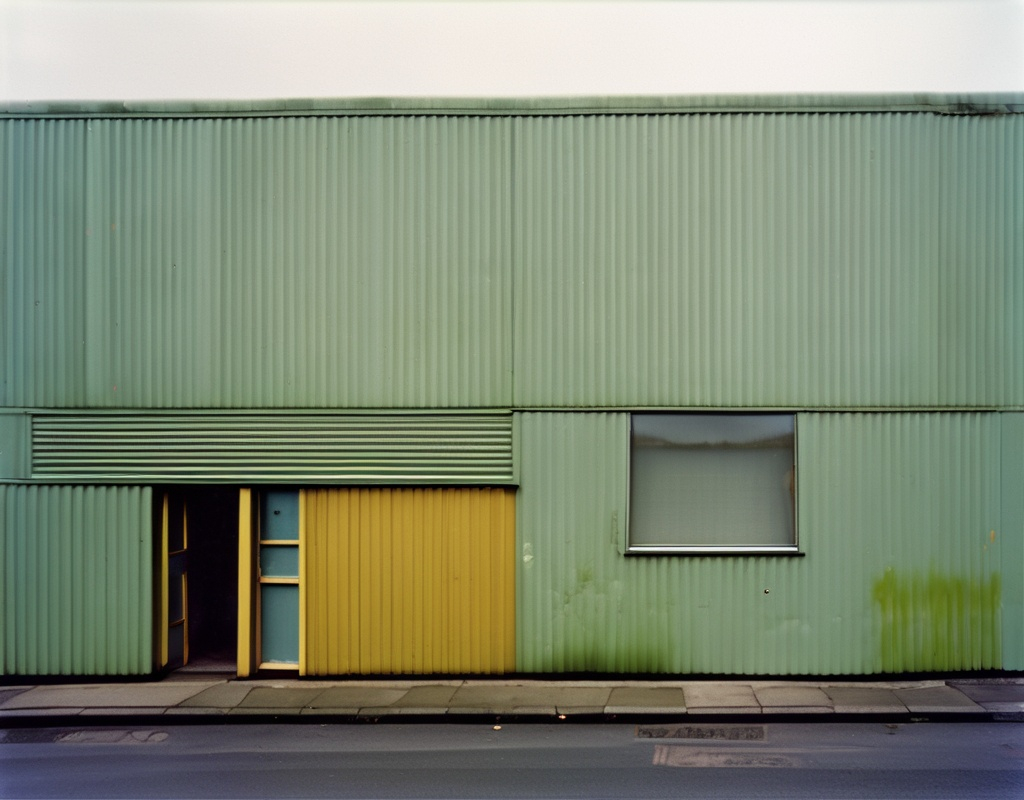
"The Vast Glory and the Slow Fury" is an AI-assisted visual exploration of 1970s England, a pivotal decade defined by its complex duality. This project seeks to capture the specific atmosphere of the era—a time oscillating between the perceived glory of tradition and a growing, palpable social and economic unrest.
The generated imagery contrasts the "public face" of the nation with its internal, often overlooked, realities. On one hand, there is a sense of "vast glory"—the lingering grandeur of the post-war era, evident in the sartorial elegance and structured architecture of the urban environment, as seen in subjects like the man in the suit and the woman in the red dress. This is the England of established history and iconic streetscapes.
Simultaneously, the series uncovers a "slow fury"—a timeless and marginalized provincial existence. This is an England that feels temporally ambiguous, where the atmosphere is heavy with a quiet, simmering discontent. The portraits of youth, such as the young girl with the intense gaze and the young men on the street, serve as embodiments of this latent fury. They represent the generation that would inherit the decade’s profound social shifts, existing in a liminal space between innocence and disillusionment.
By utilizing generative AI, this project does not attempt to create a historical record, but rather a psychological and emotional landscape. It is an excavation of a collective memory, synthesizing the textures, light, and shadows of the 1970s to articulate a narrative about the inherent tension between progress and stagnation, and between a nation’s projected image and its lived experience.