top of page
The End of The Known World
This project is part of a trilogy for England made only with AI.
The End of the Known World
A photographic project by Otto Rupel
Hadrian's Wall extends across the north of England as a line suspended between history and imagination. For centuries it marked the edge of a world, a place where mapped territory gave way to distance, uncertainty, and possibility. Even today, its presence continues to shape the landscape, not only through its stones but through the atmosphere that surrounds it.
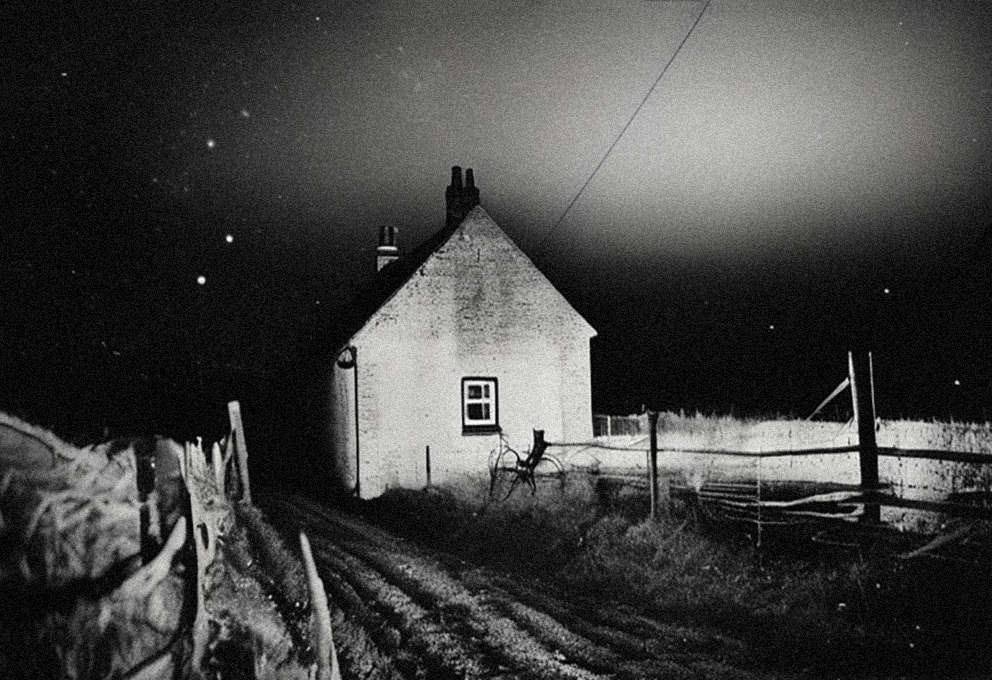
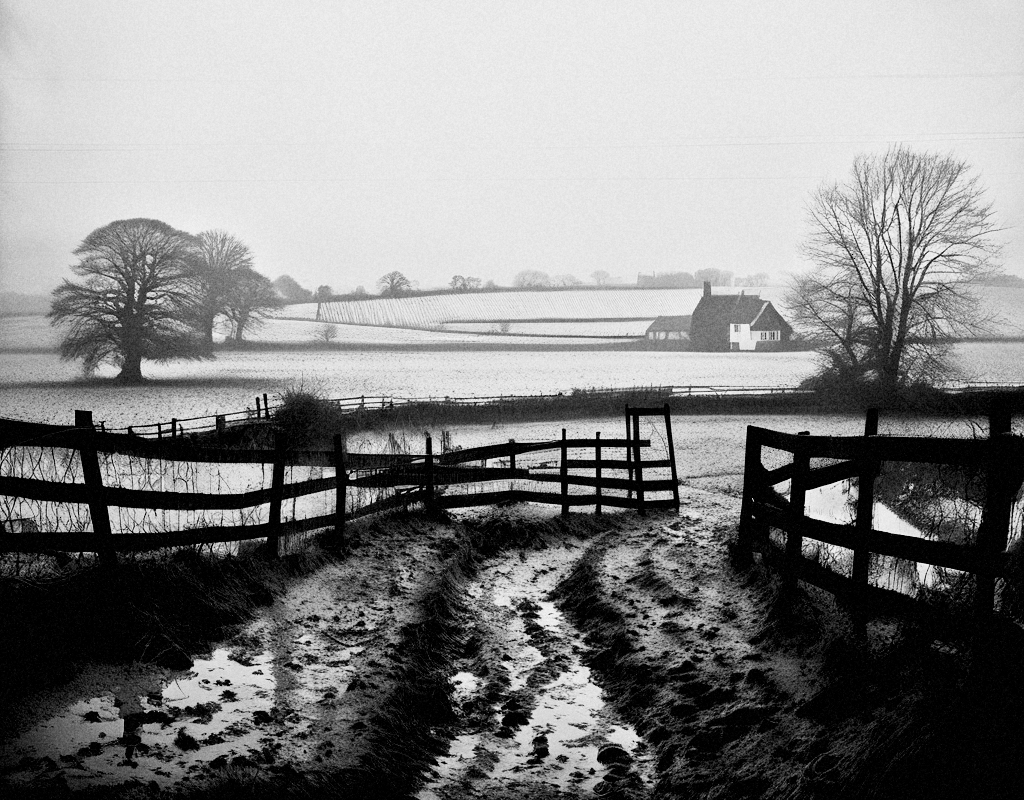
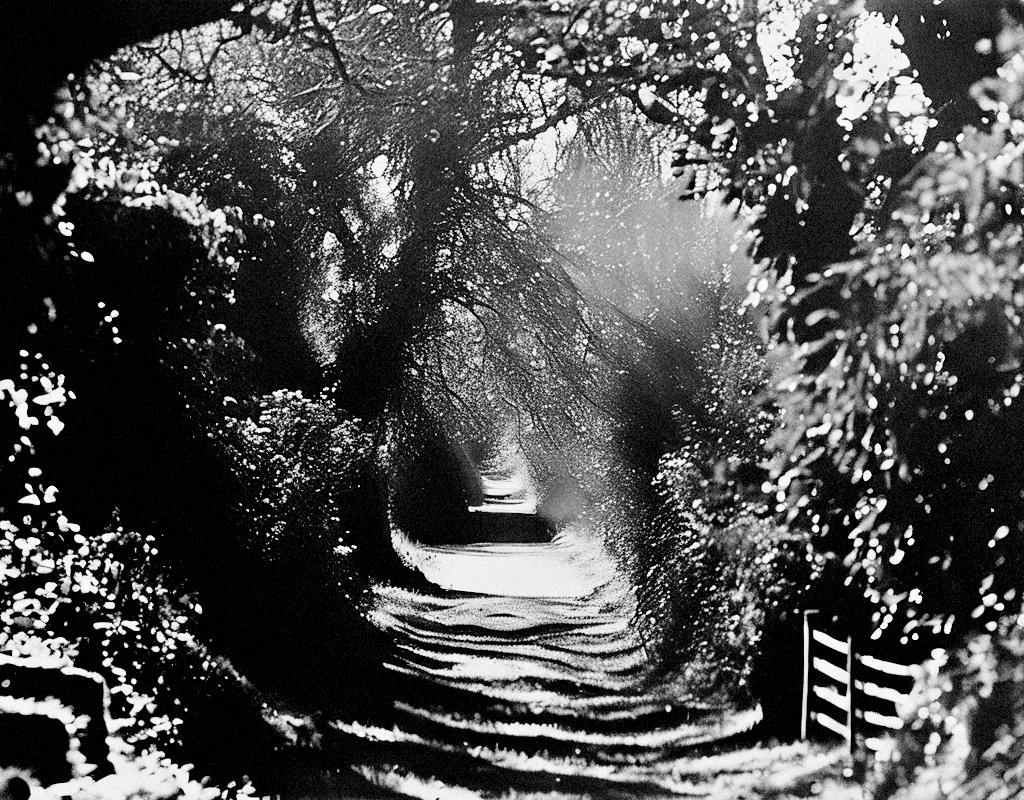
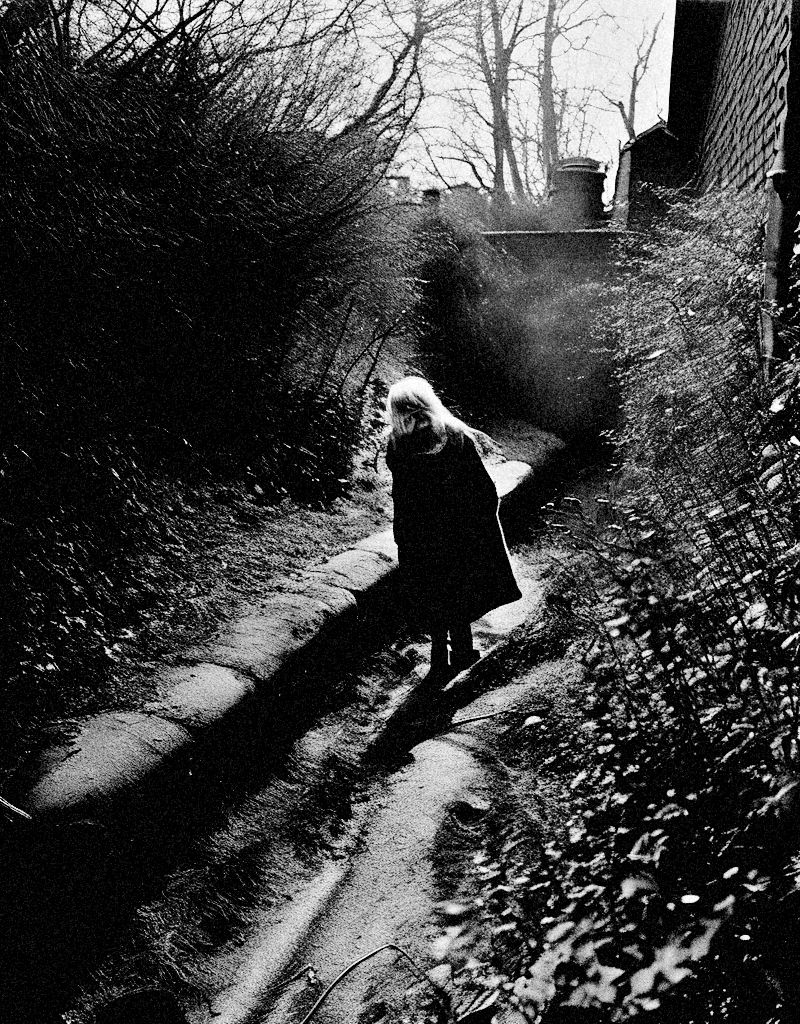
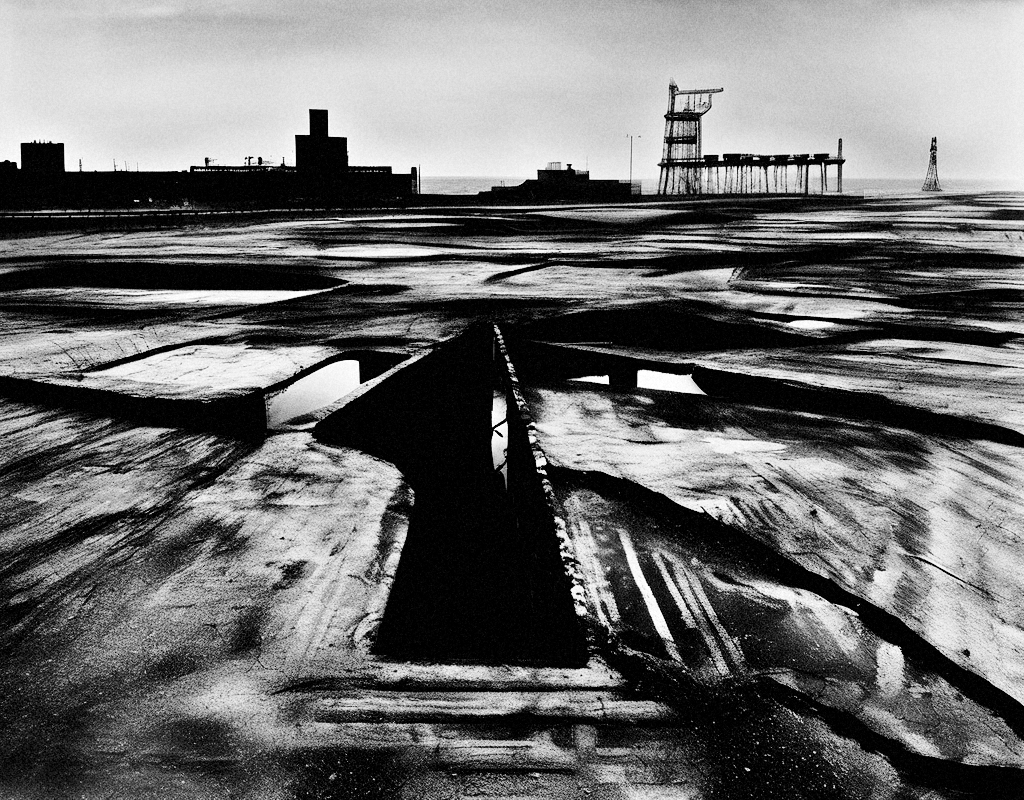
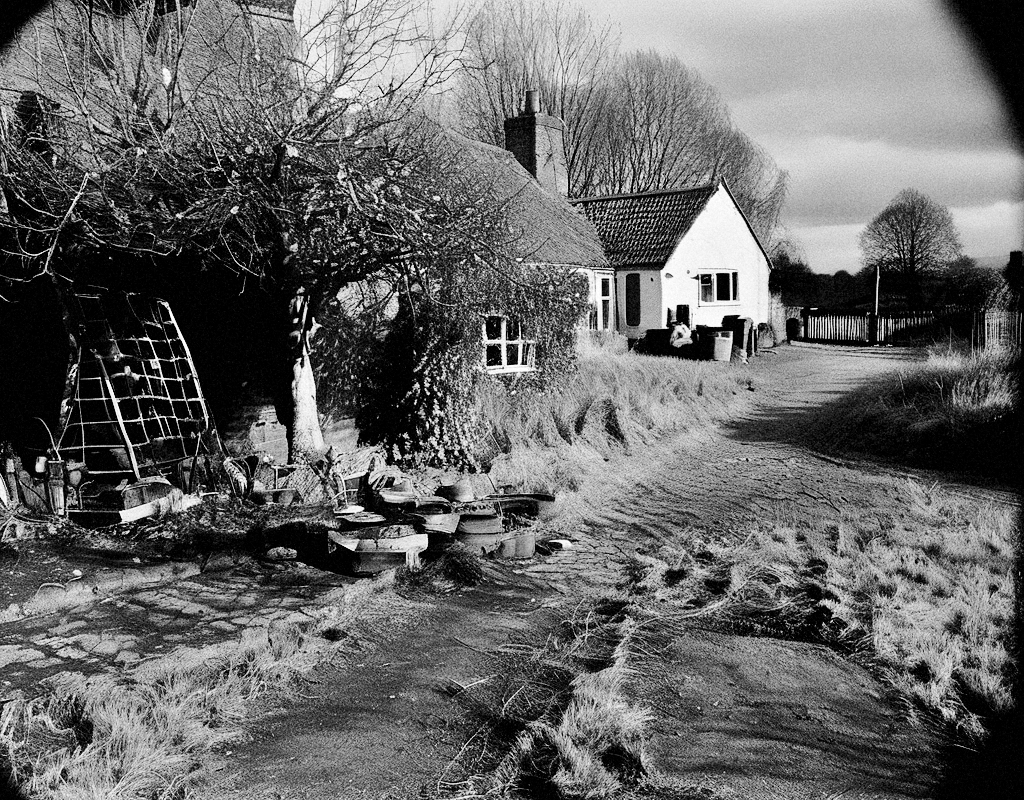
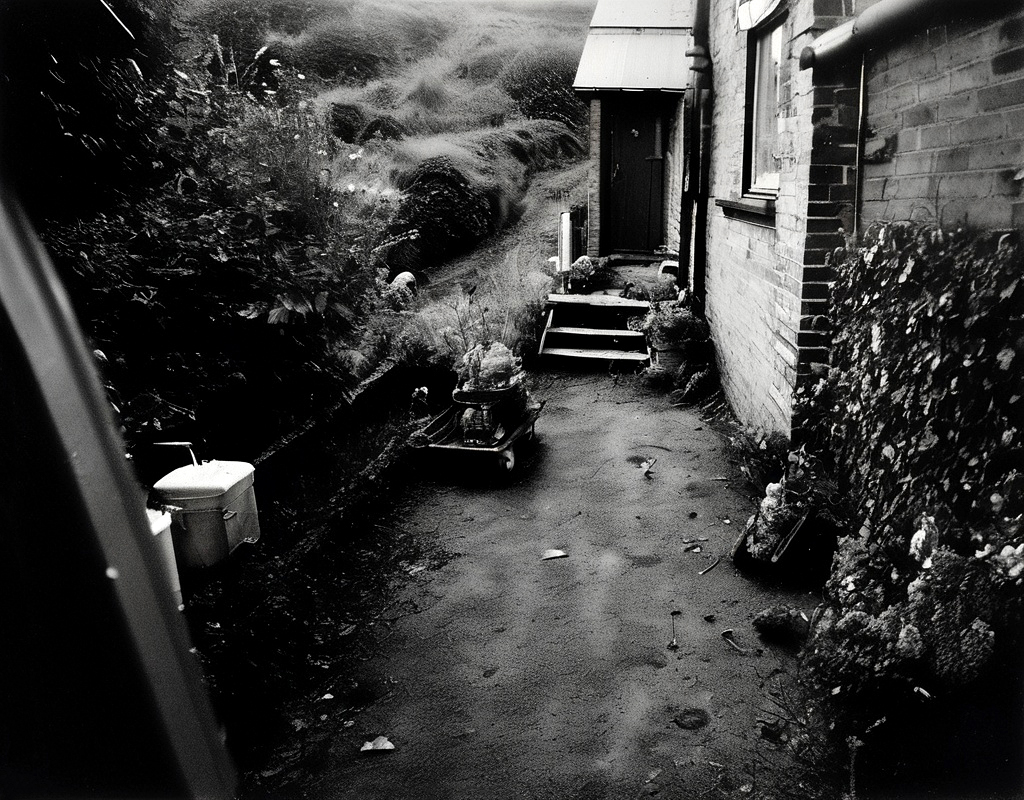
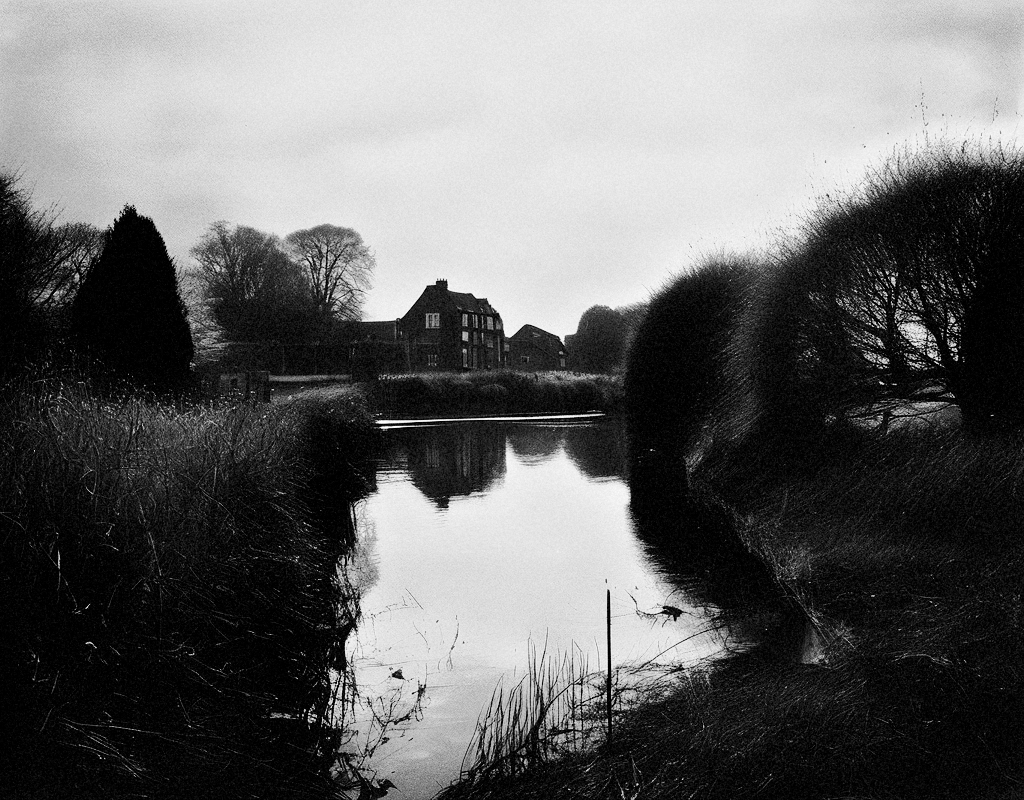
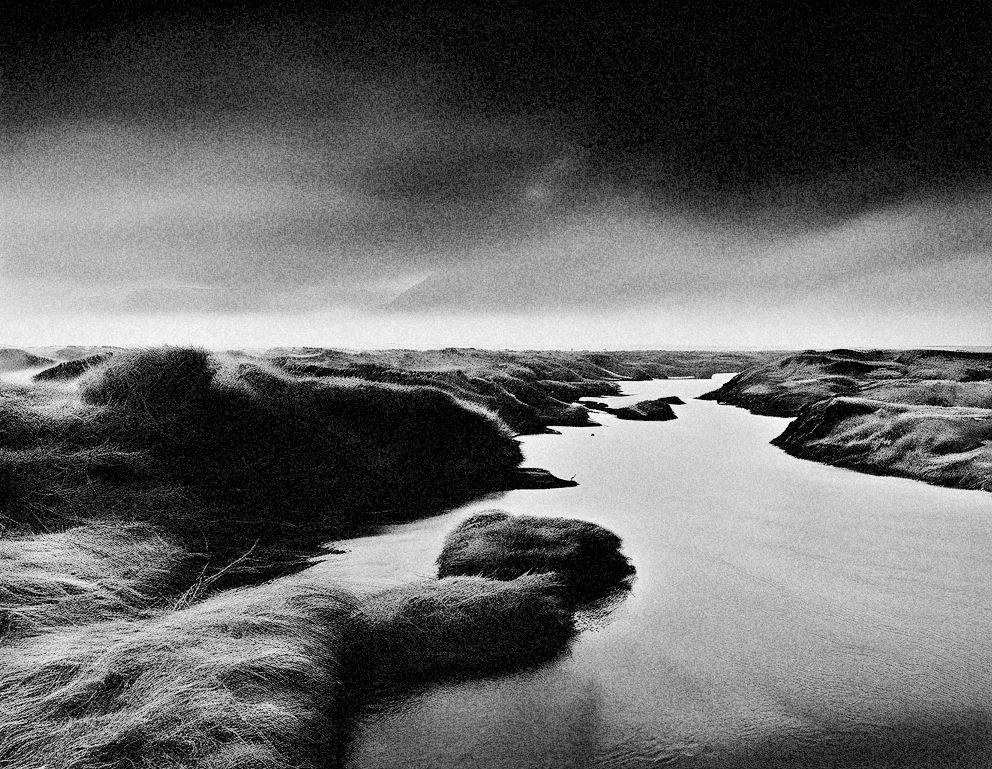
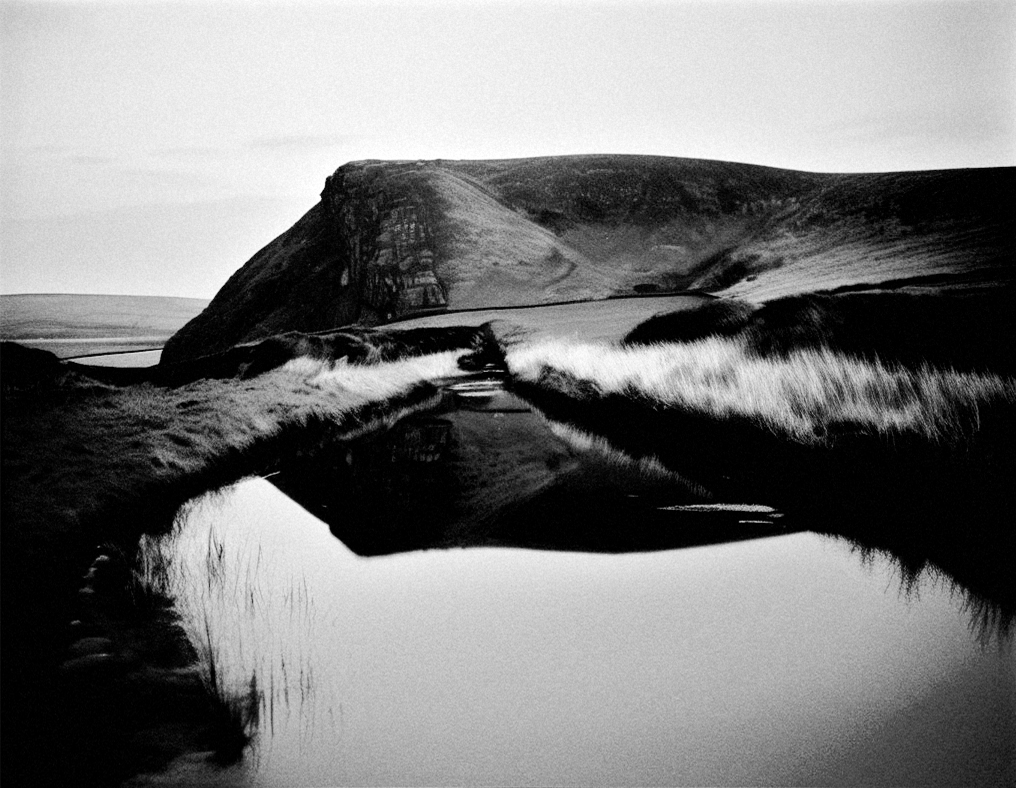
The End of the Known World follows this line as both a route and a metaphor. The work emerged from an imagined journey along the course of the wall, moving through lanes enclosed by hedgerows, open fields swept by weather, and horizons where land and sky seem to dissolve into one another. The wall provides a direction, yet the photographs are drawn toward what lies beyond it: the spaces where memory, myth, and landscape meet.
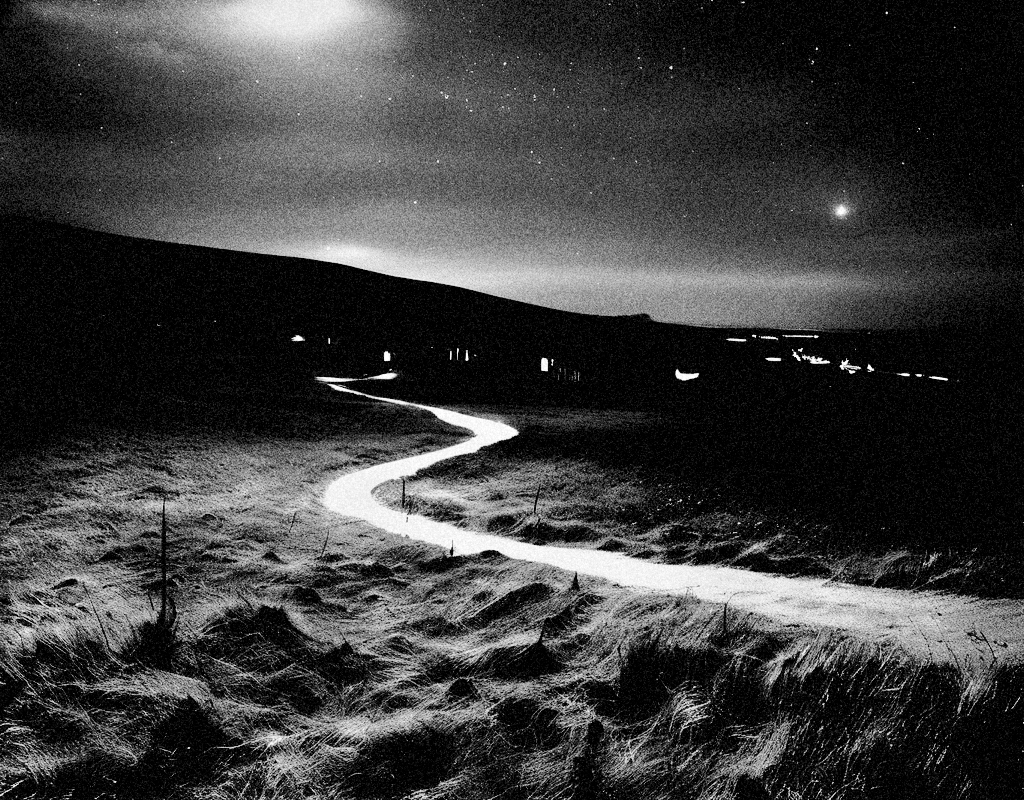
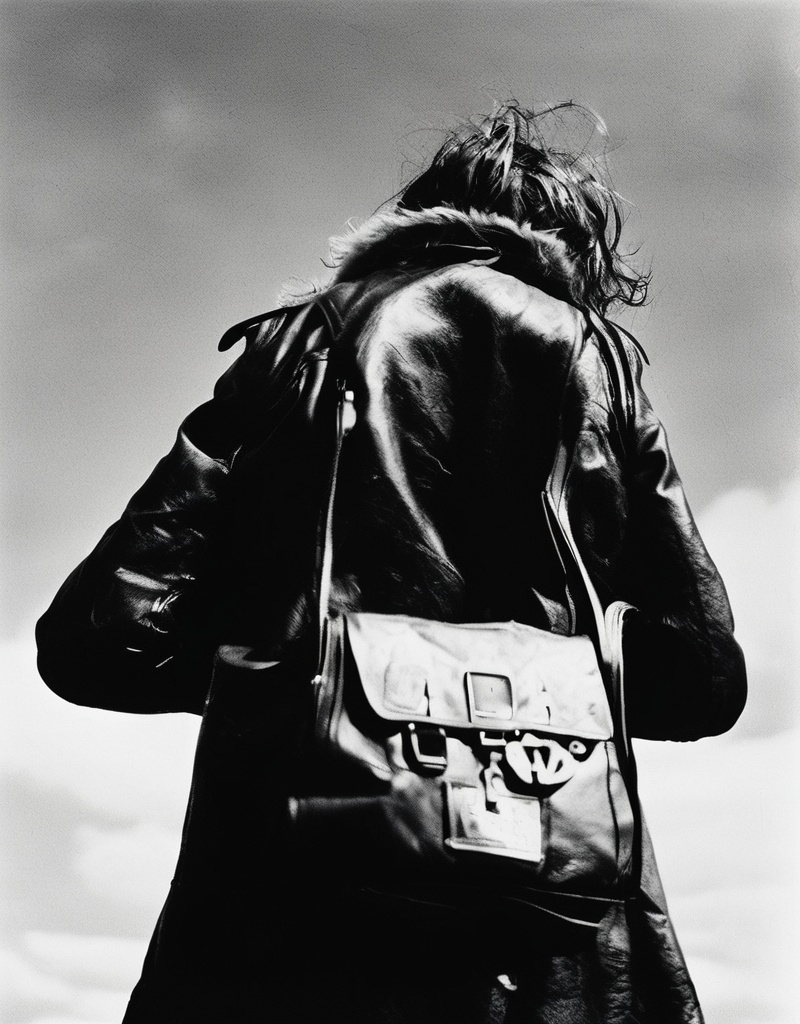
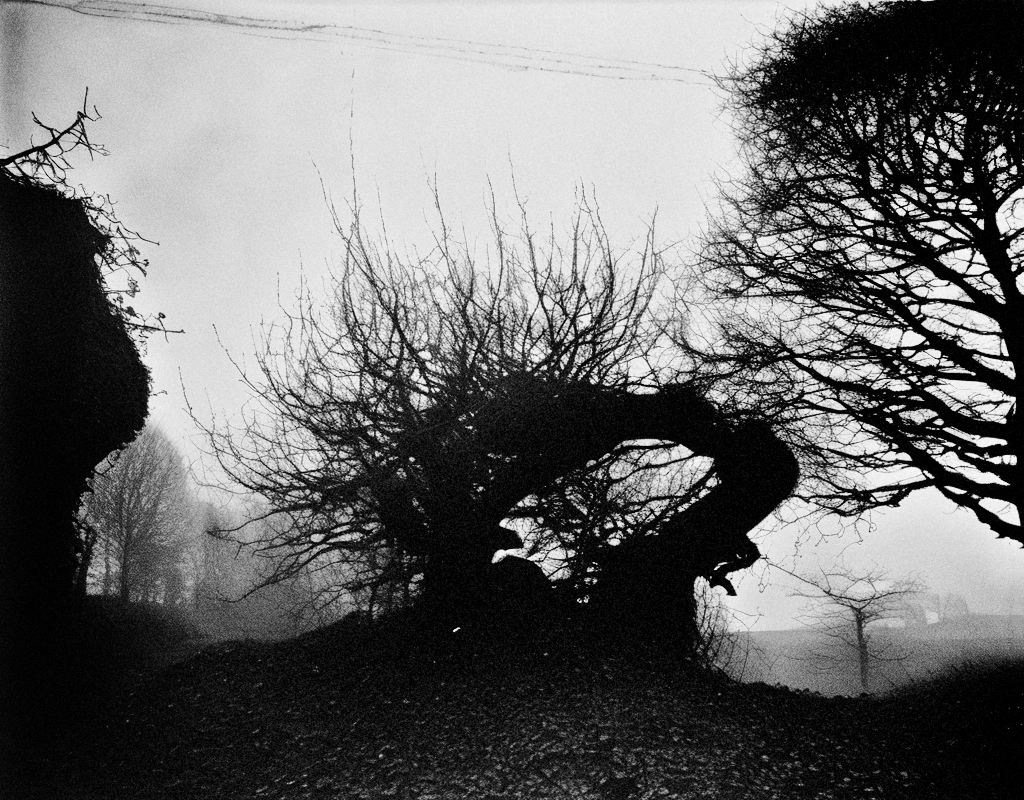
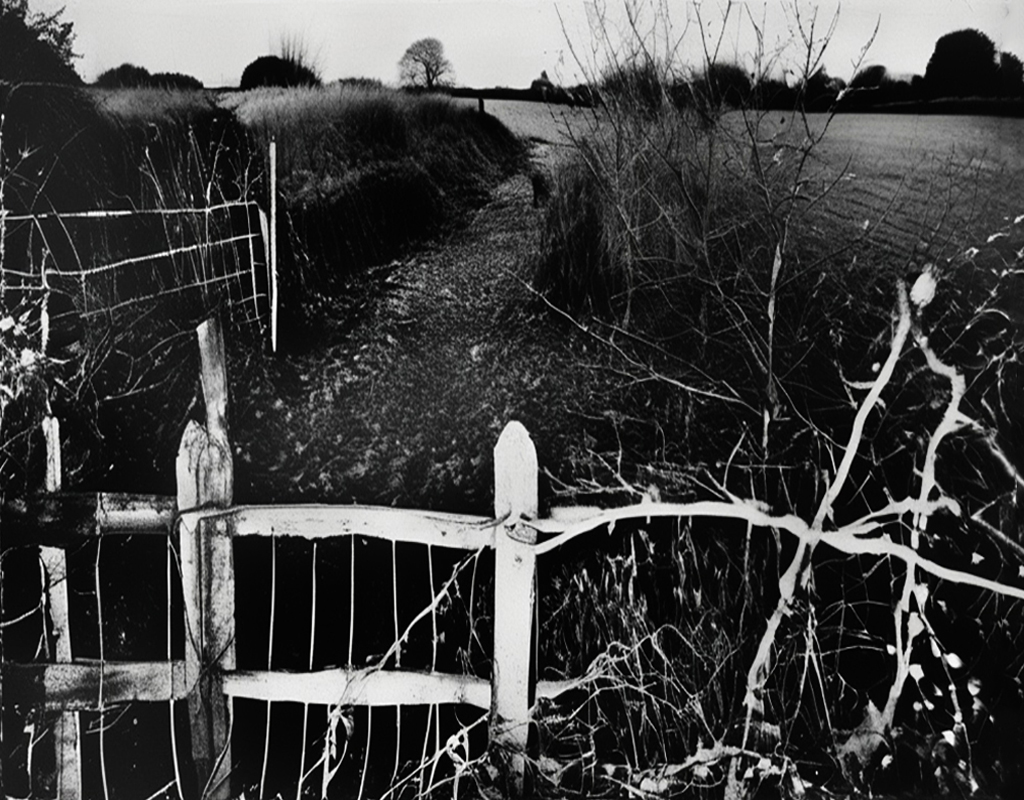
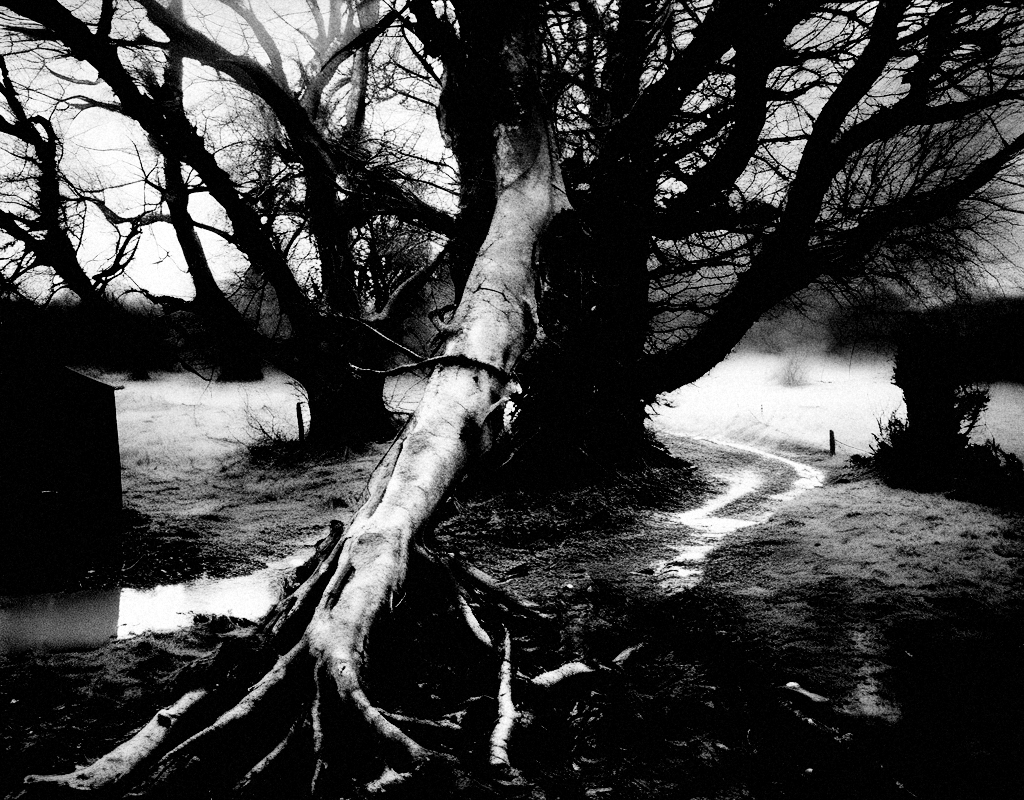
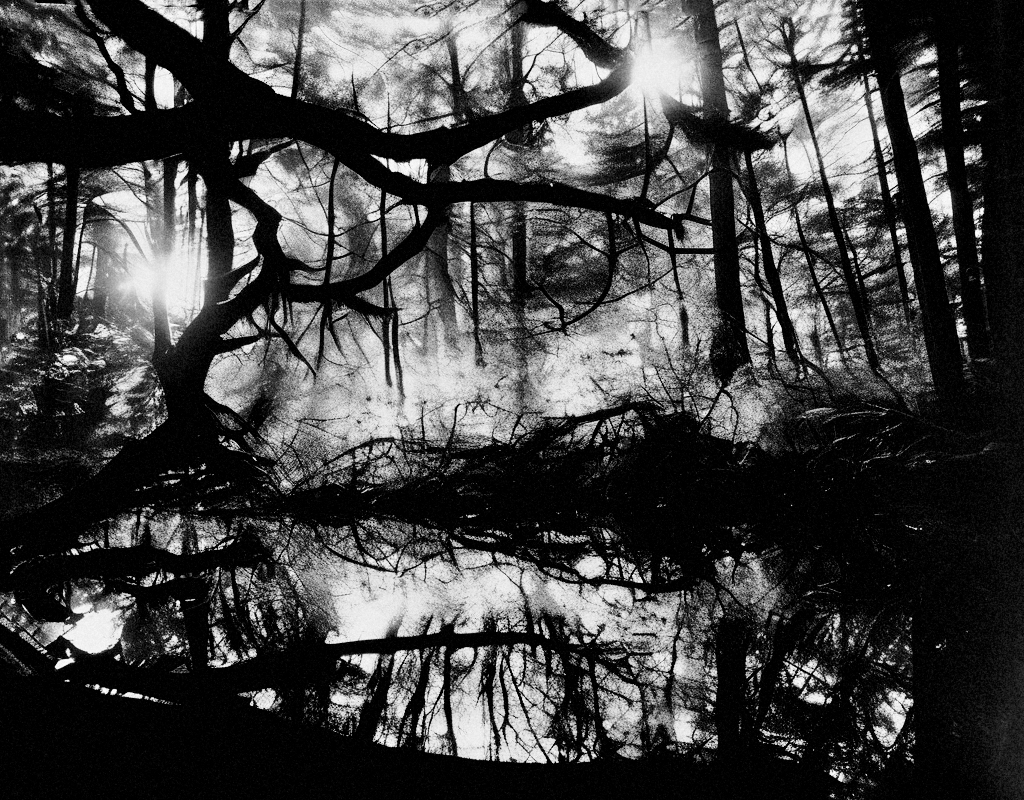
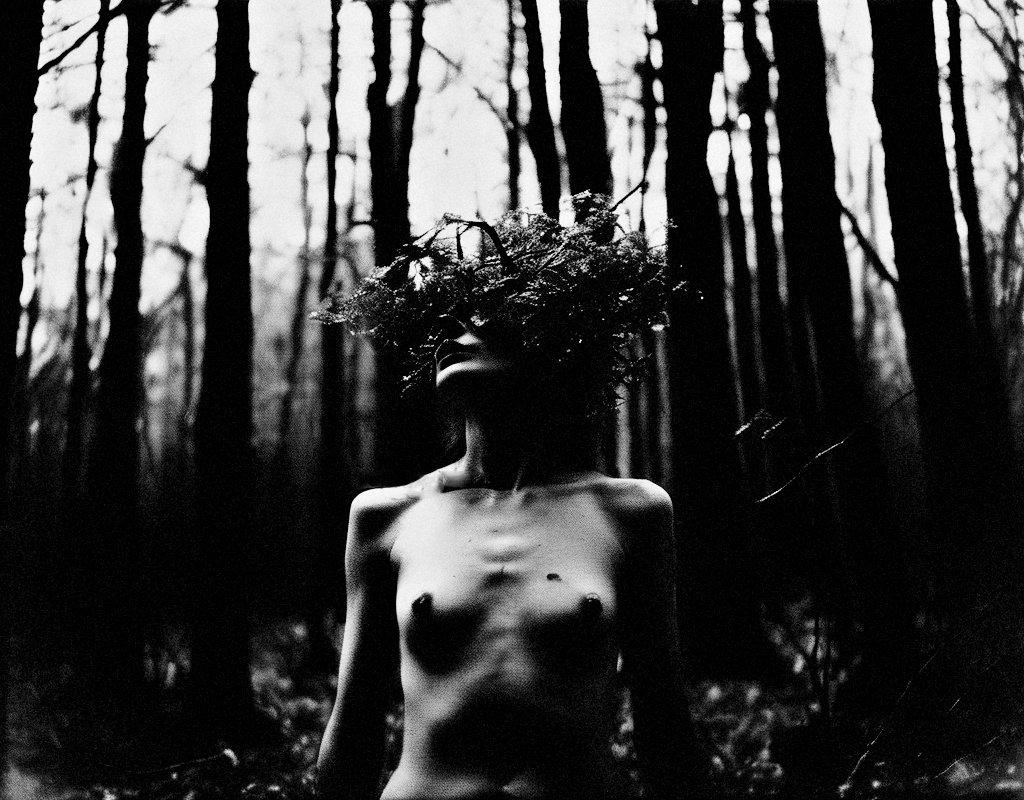
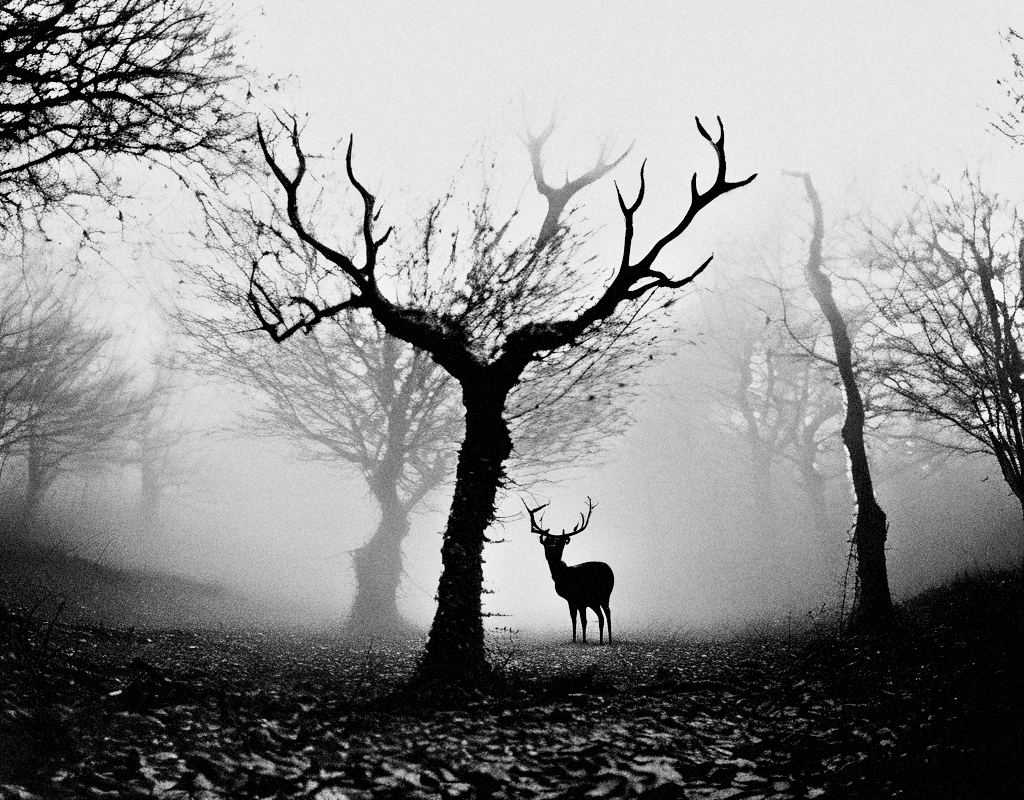
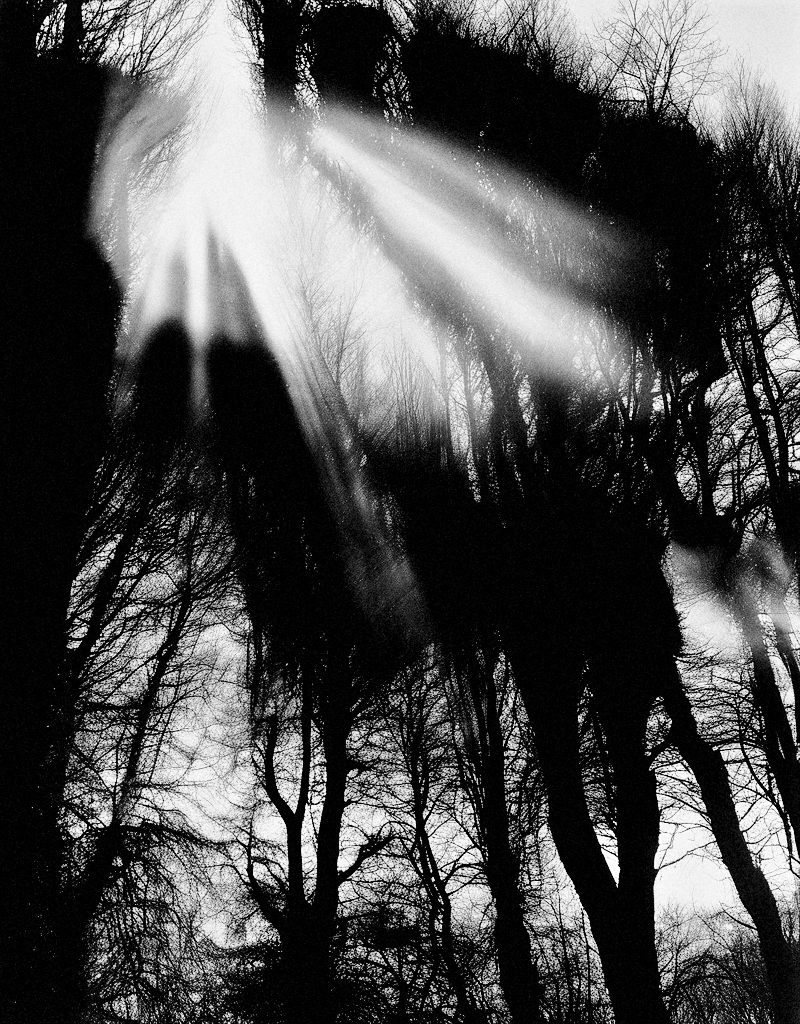
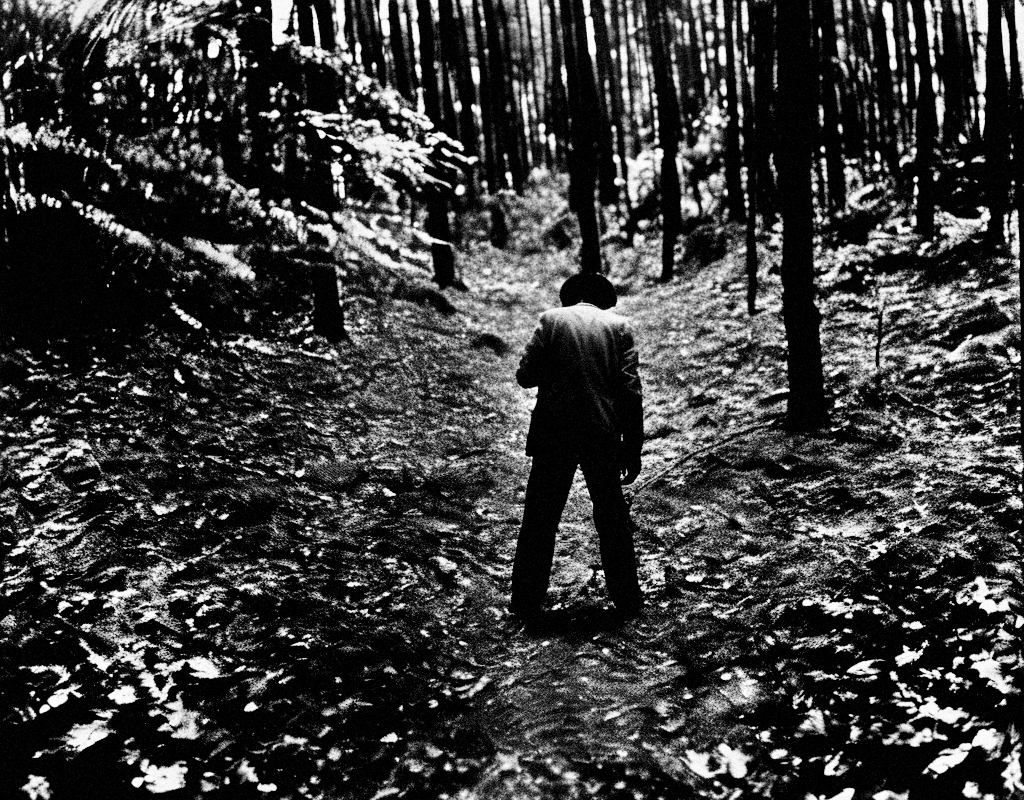
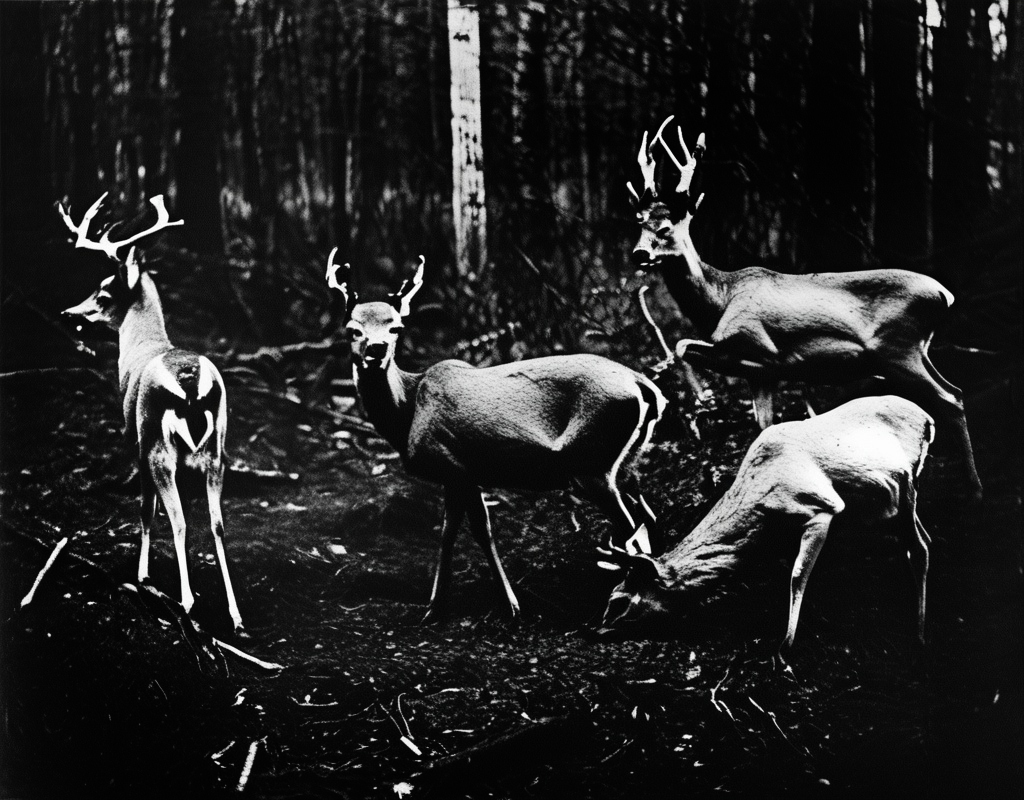
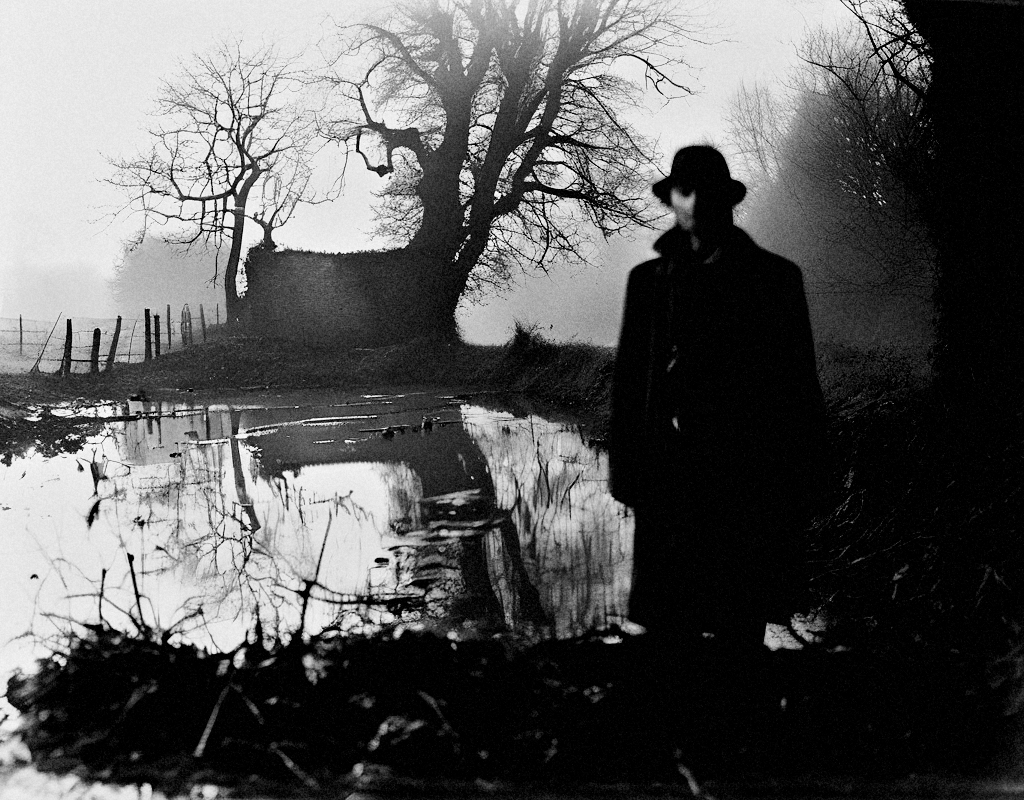
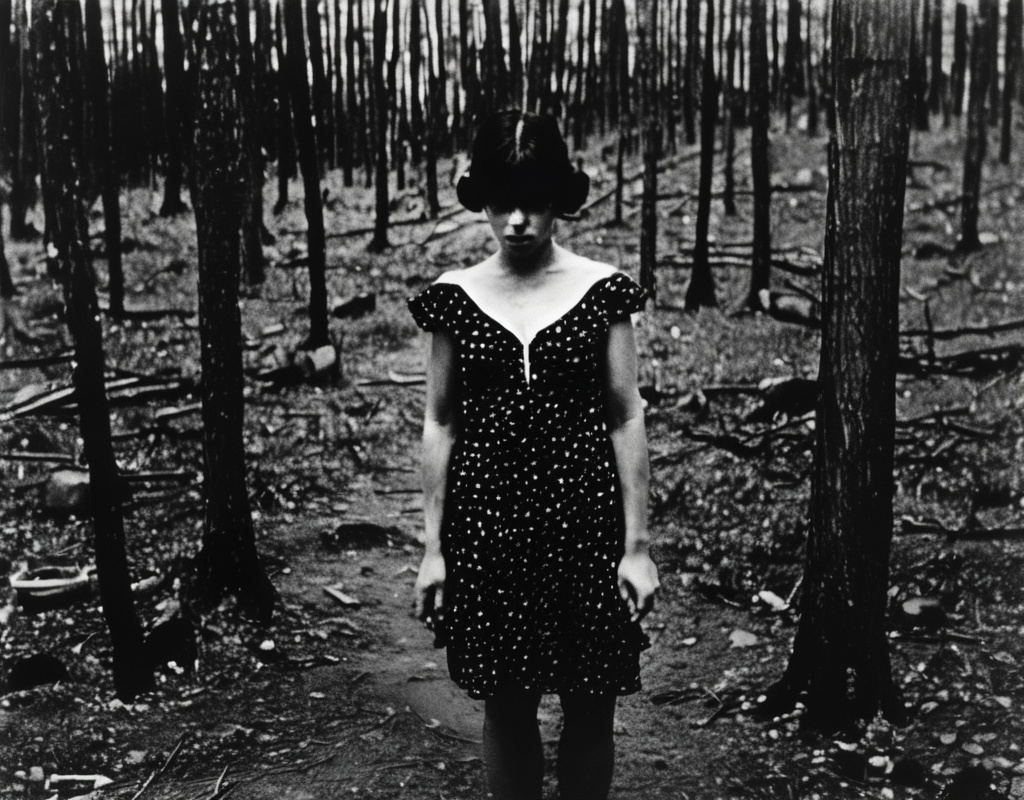
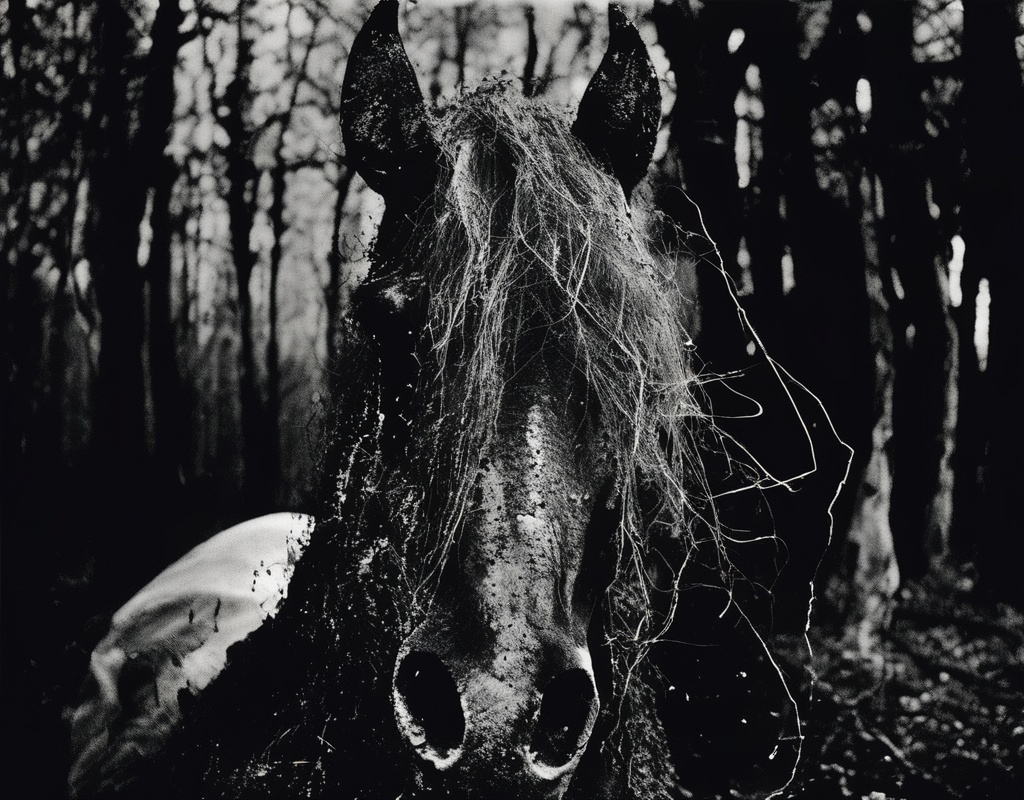
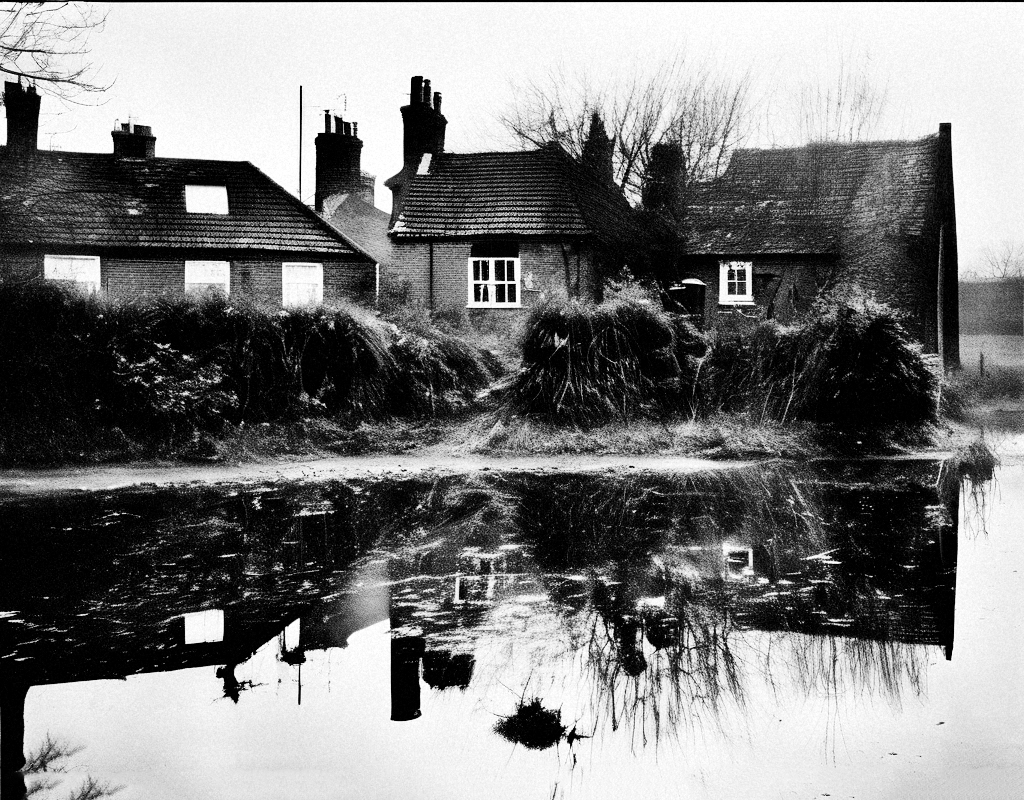
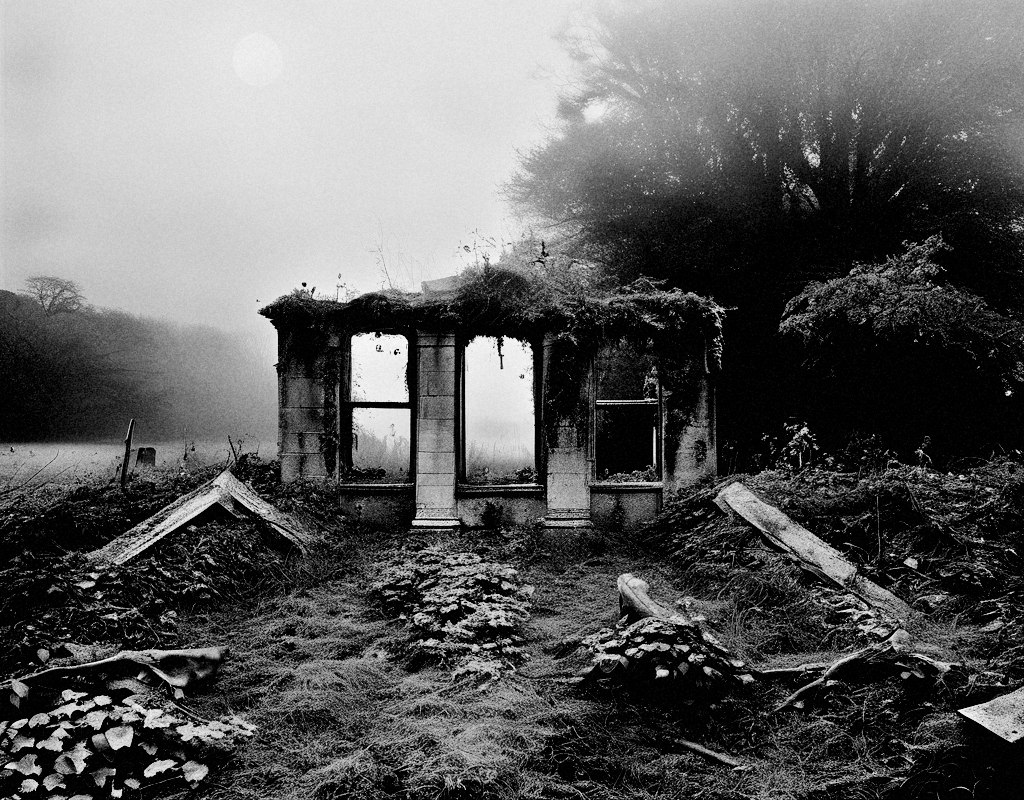
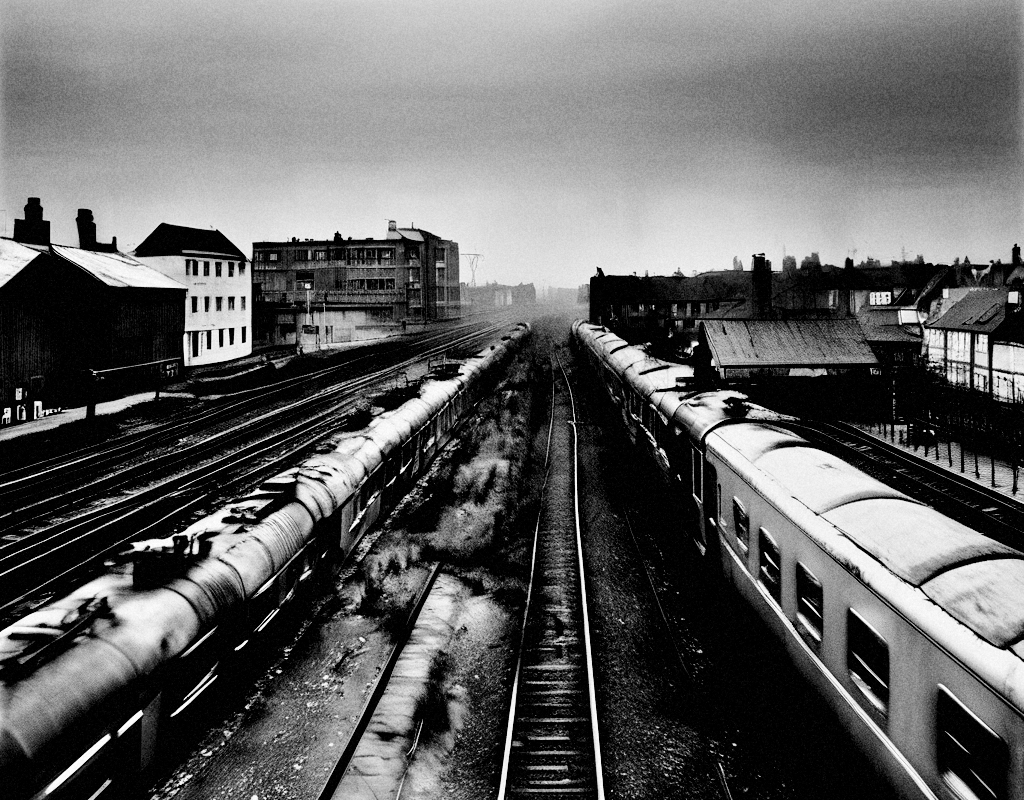
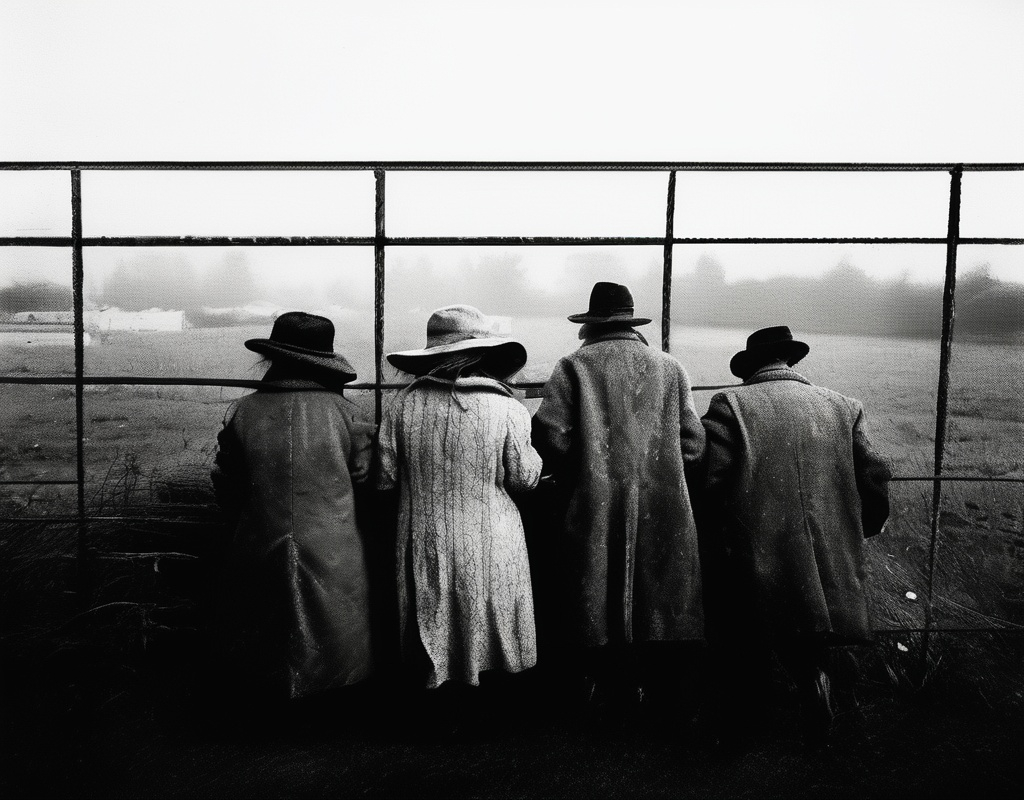
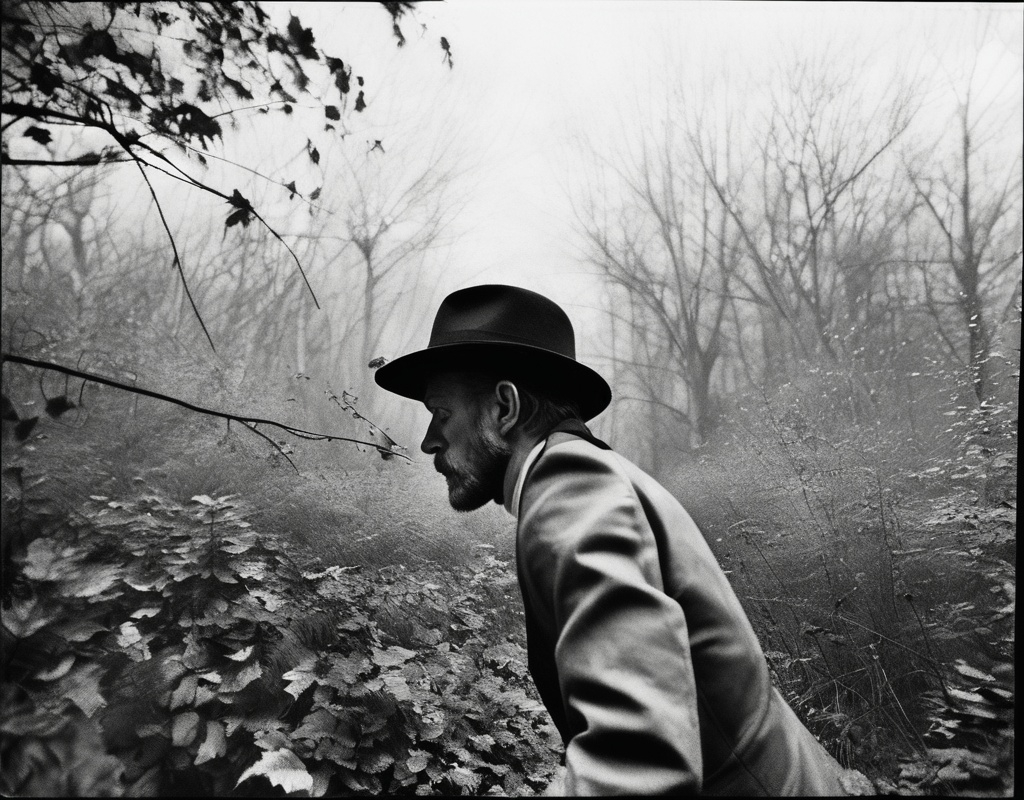
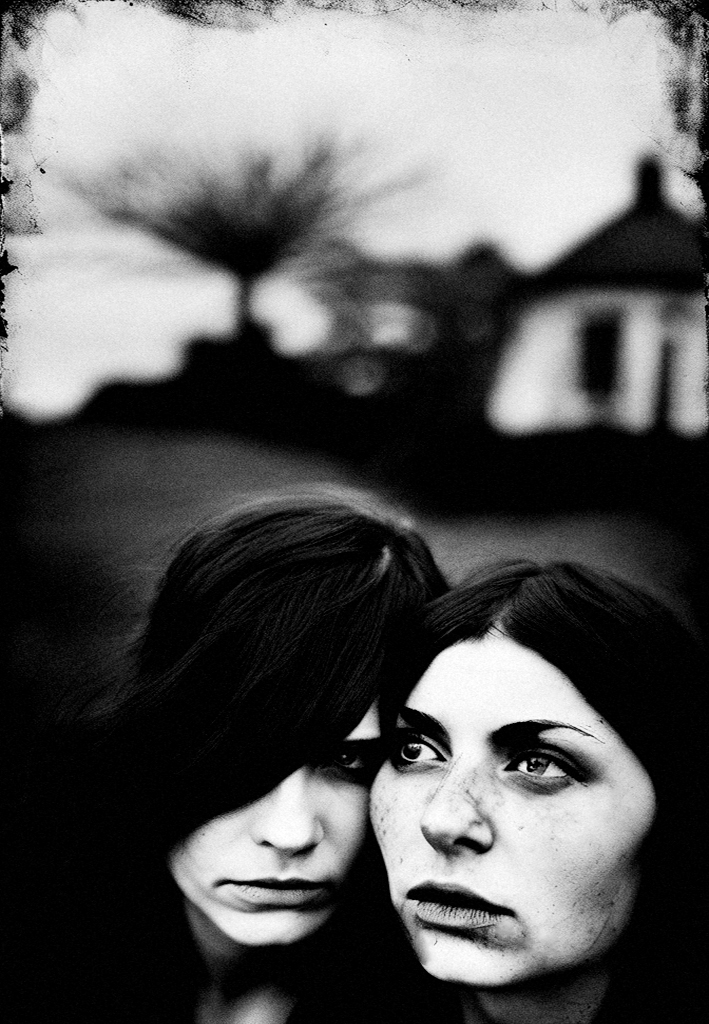
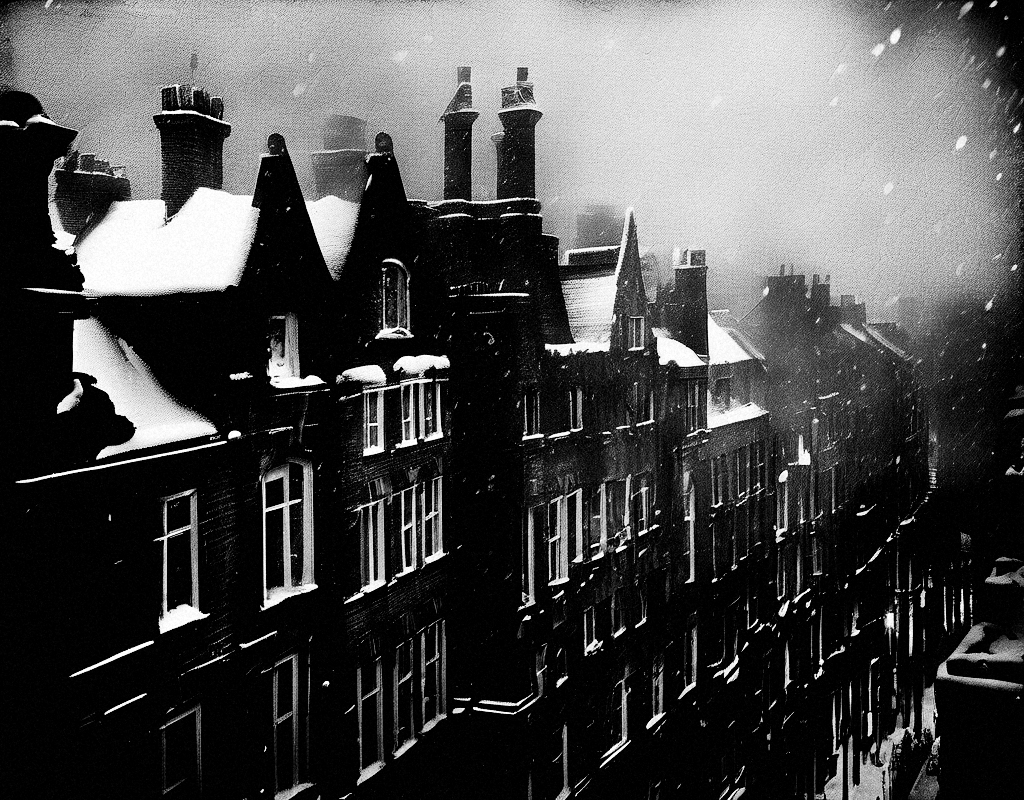
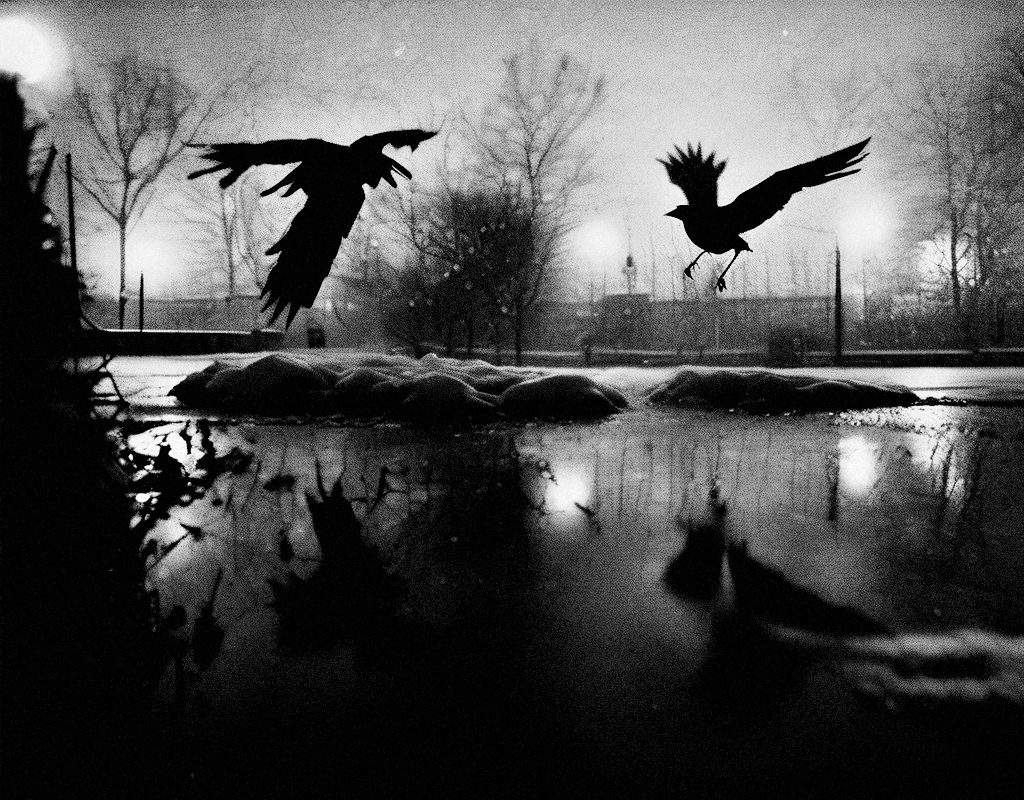
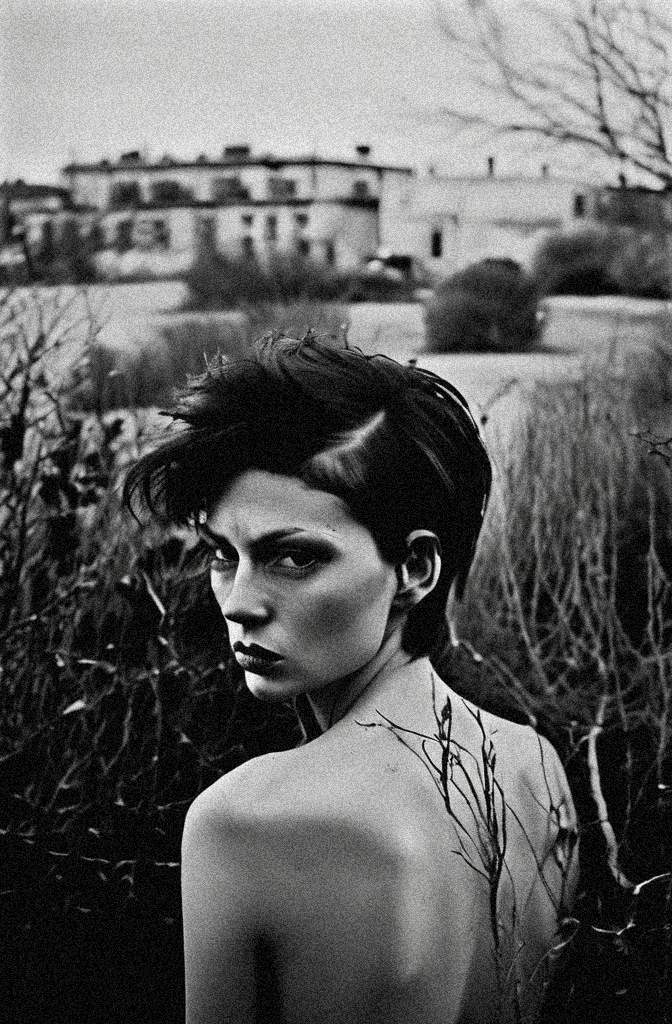
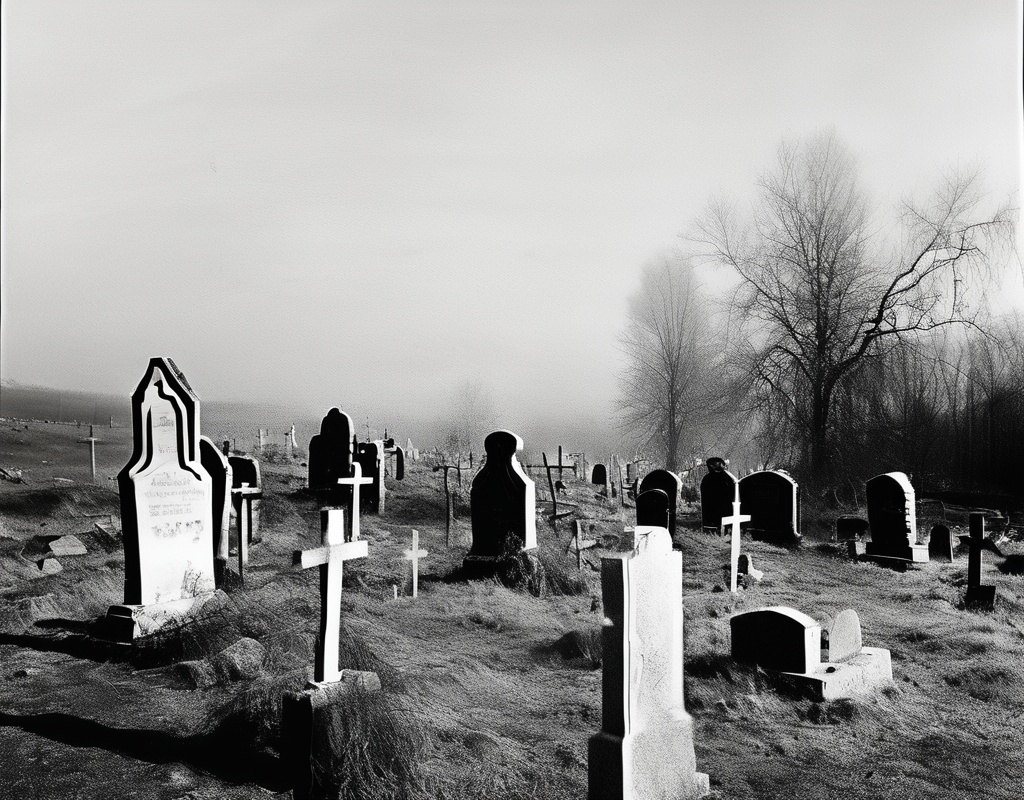
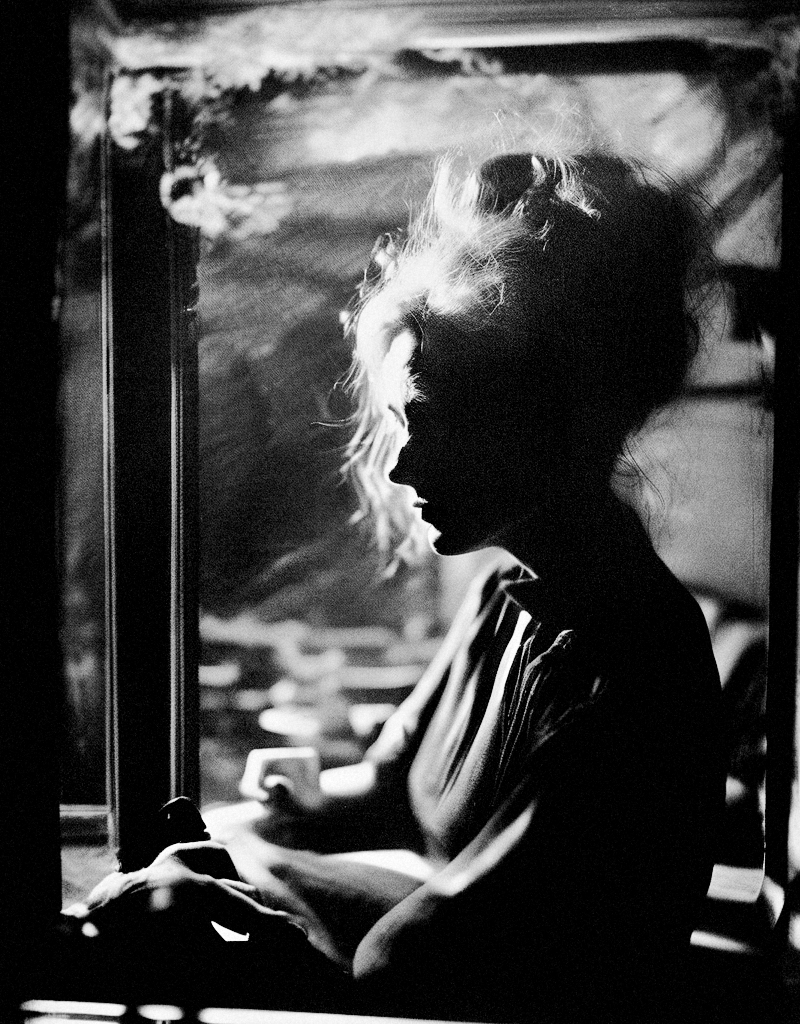
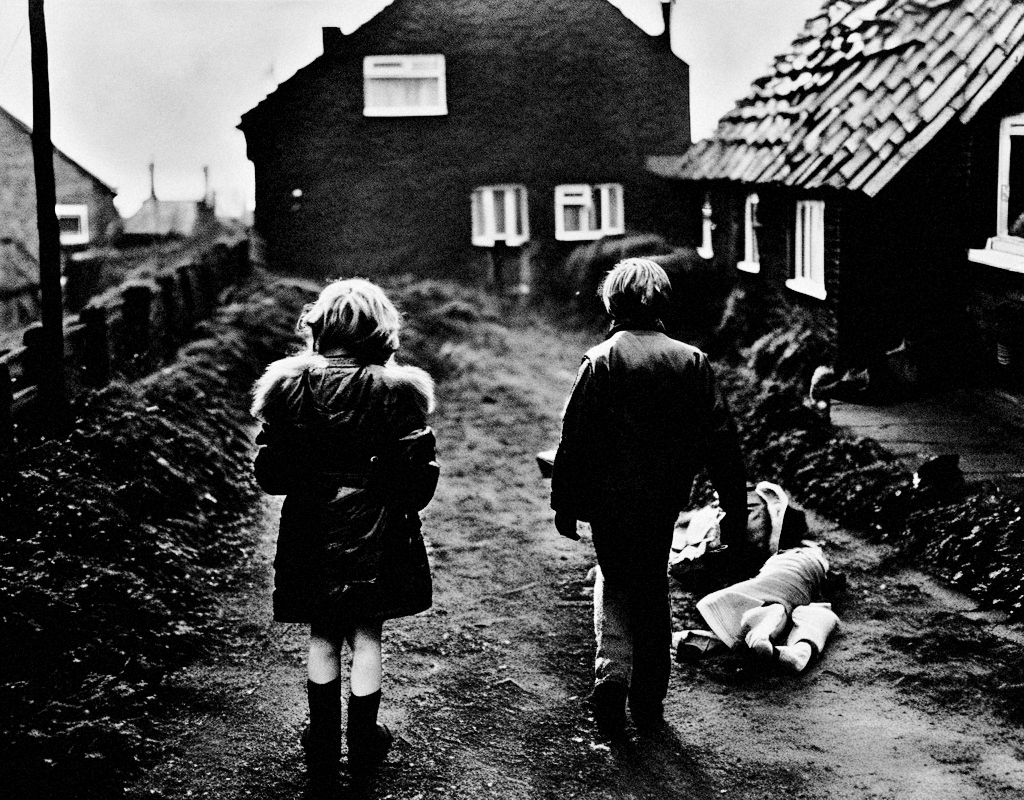
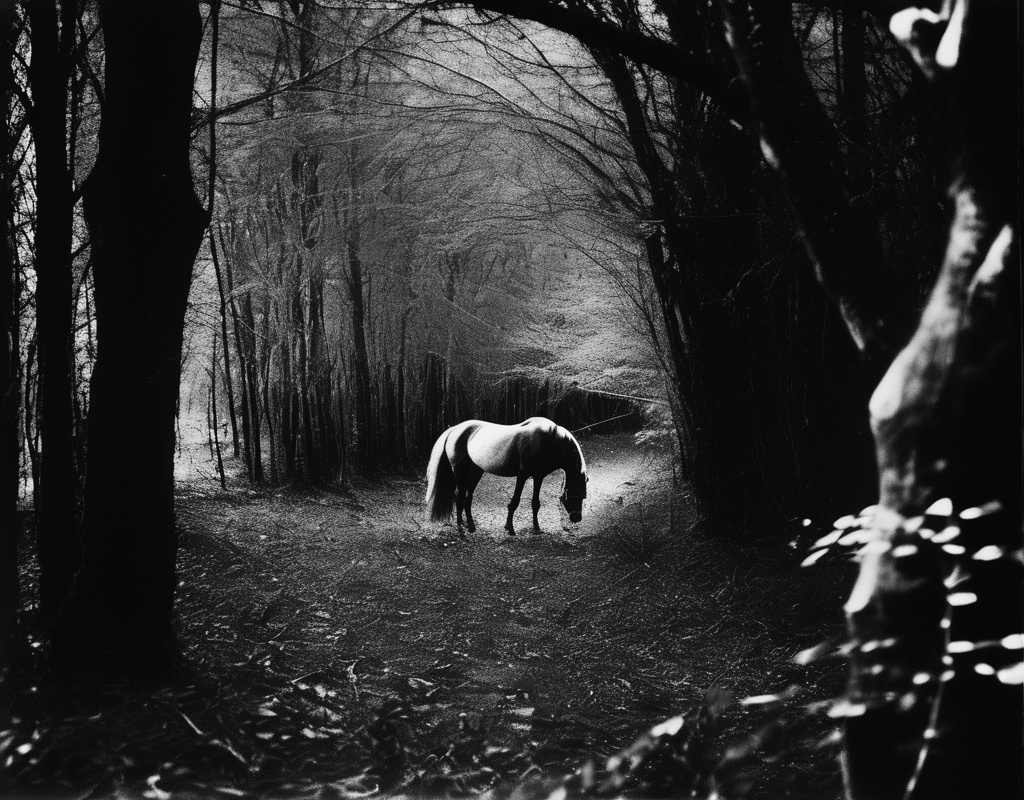
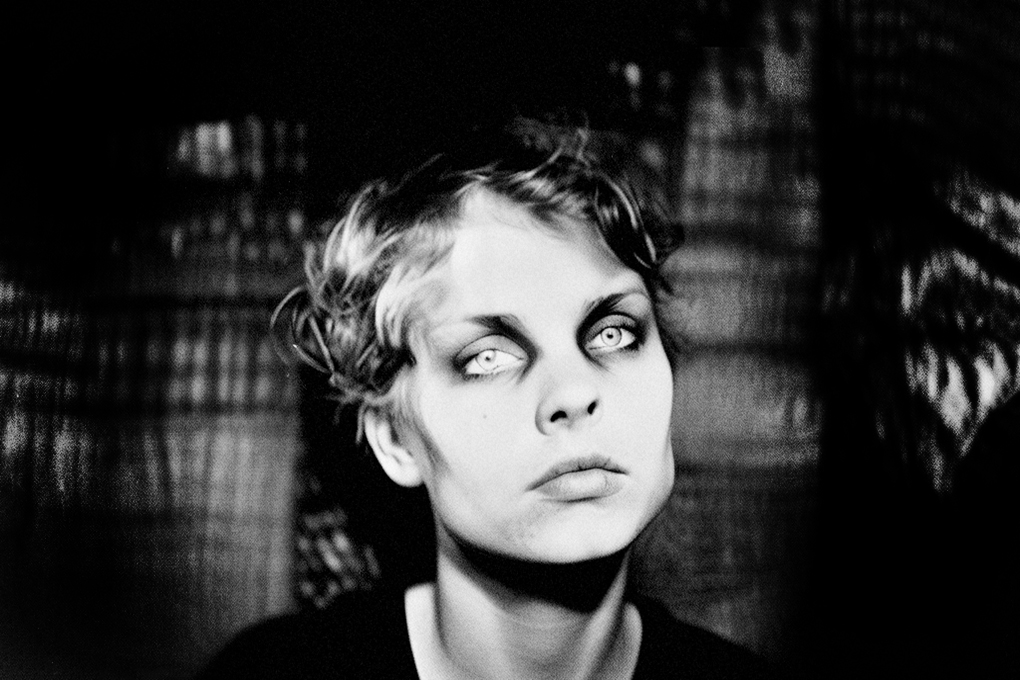
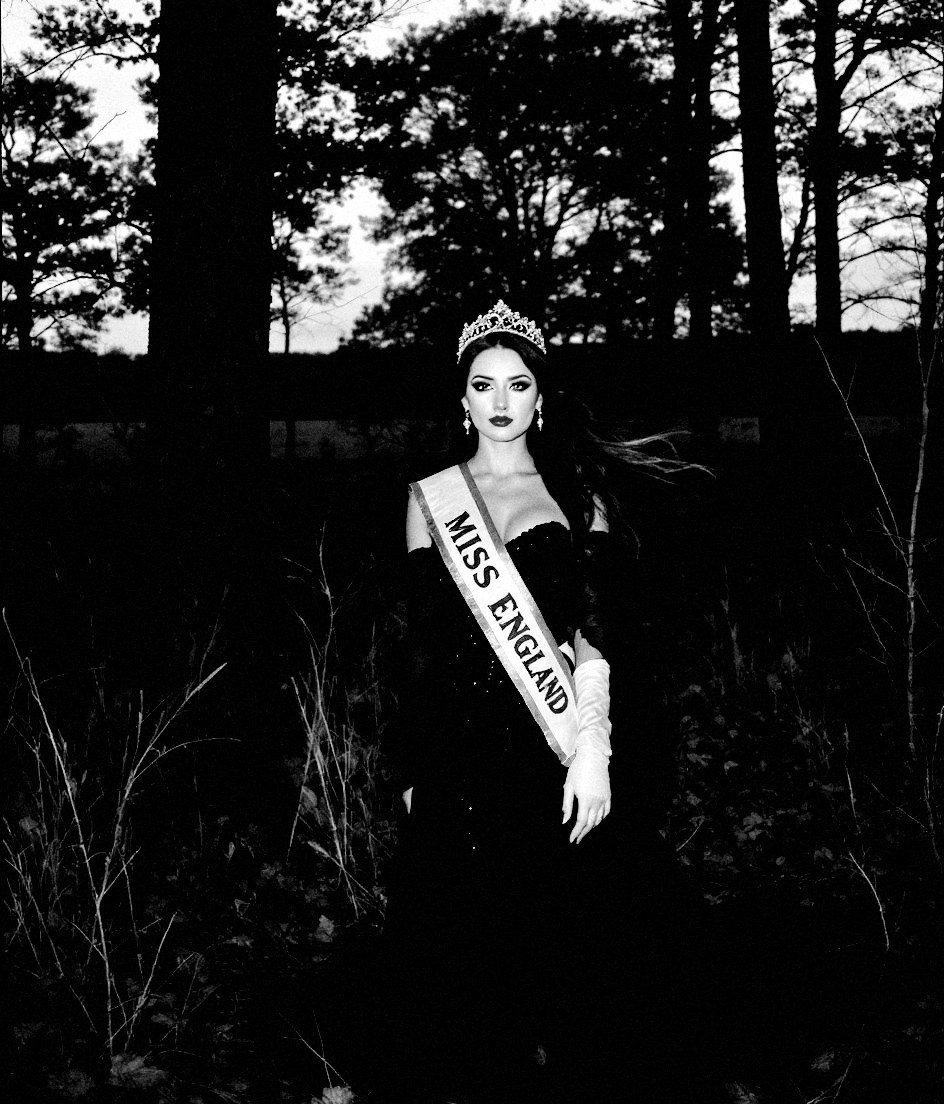
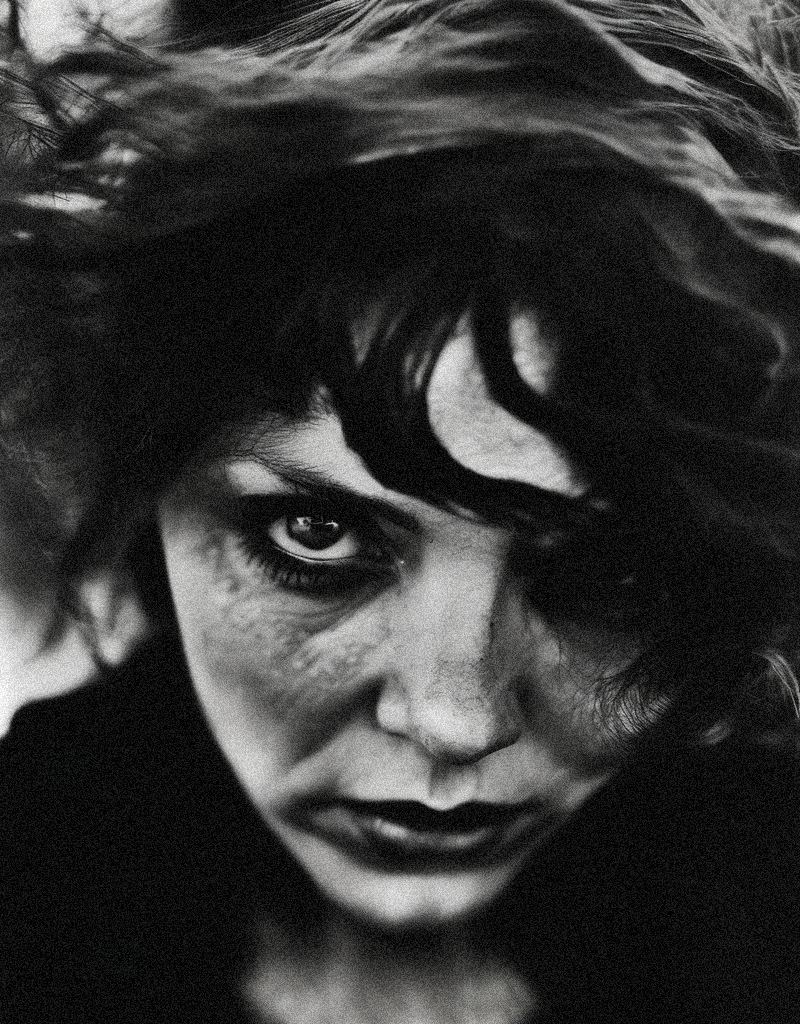
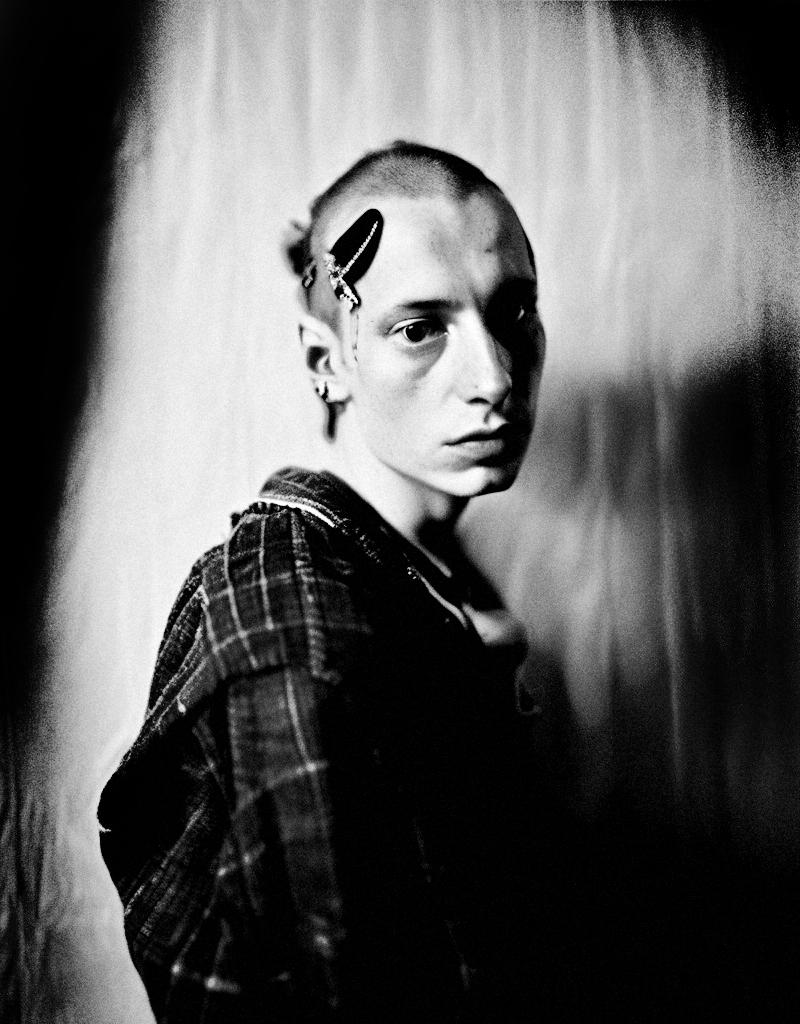
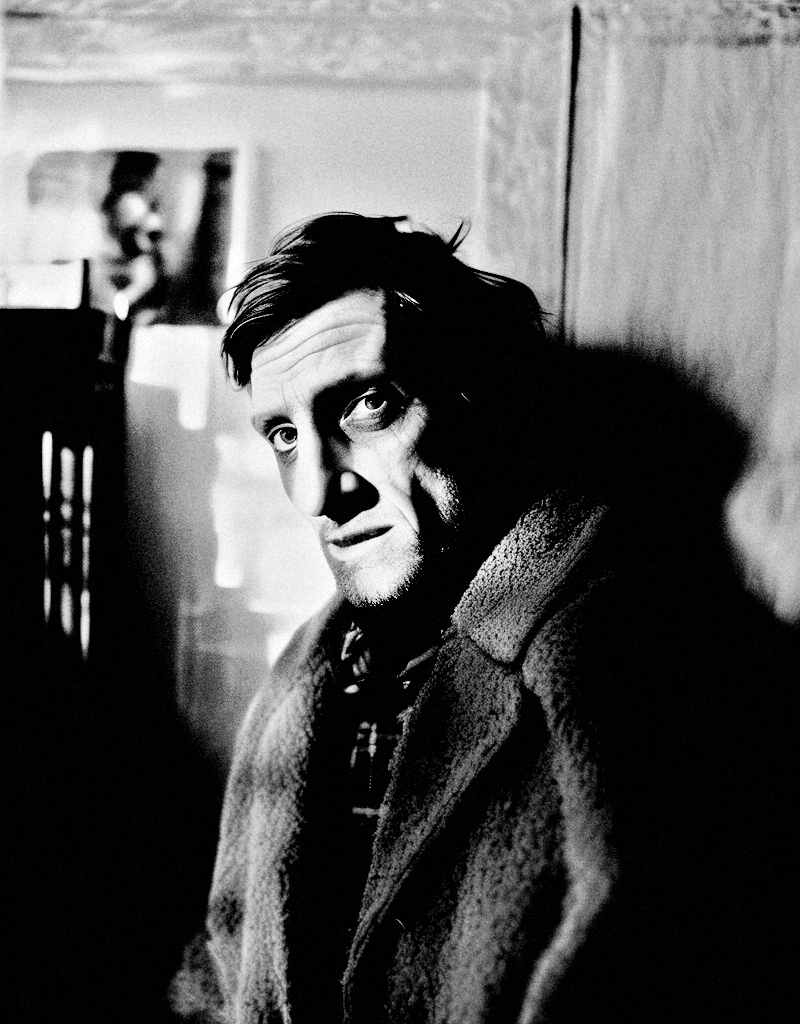
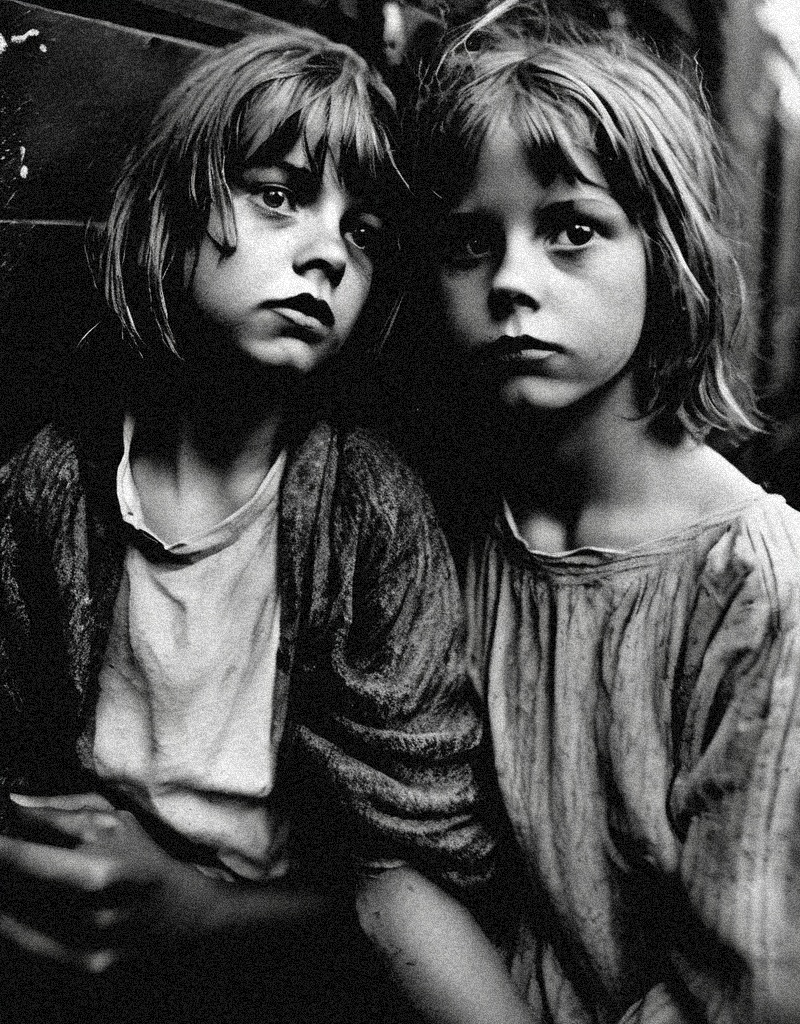
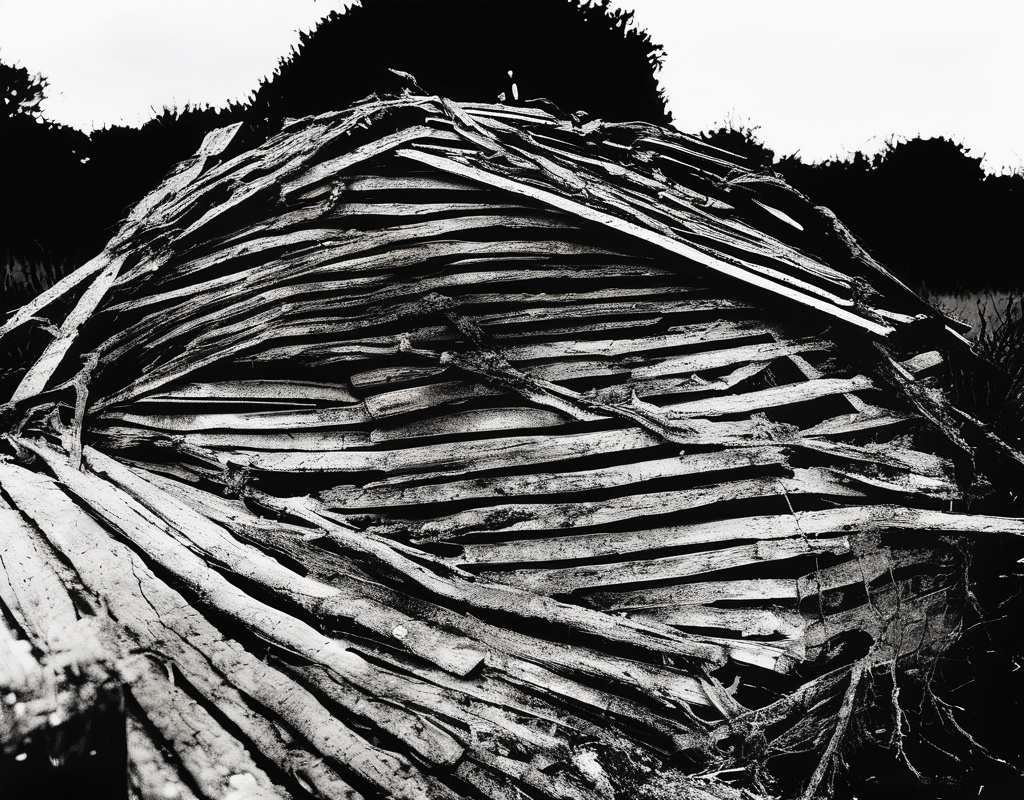
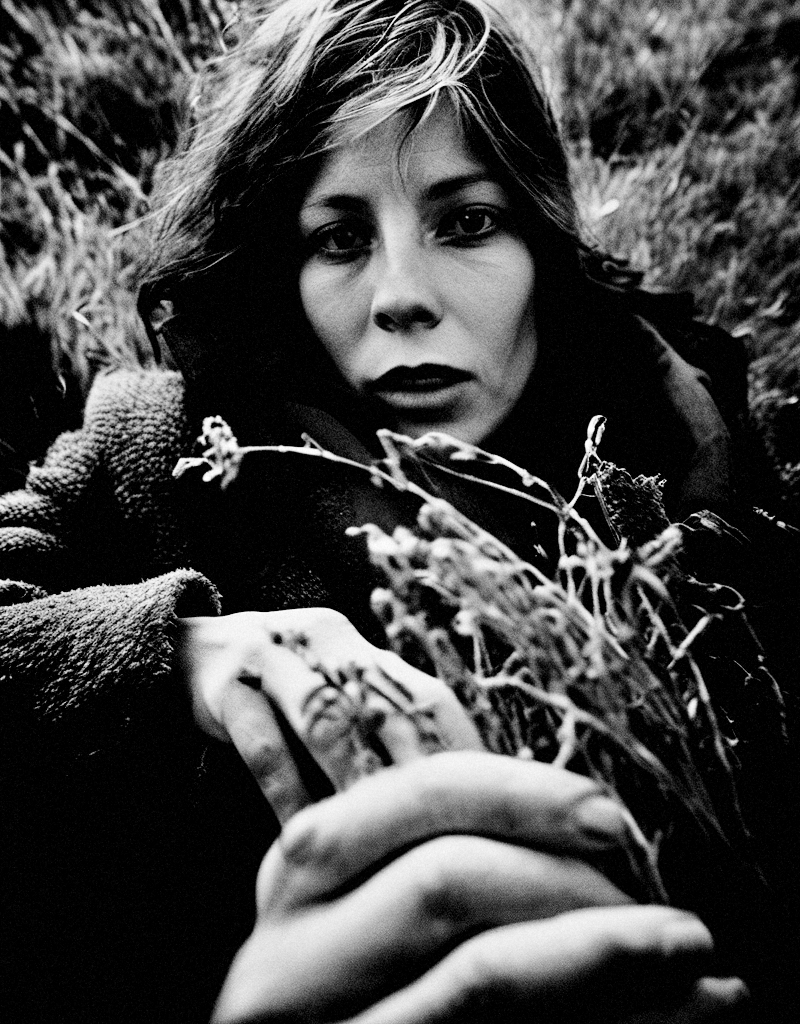
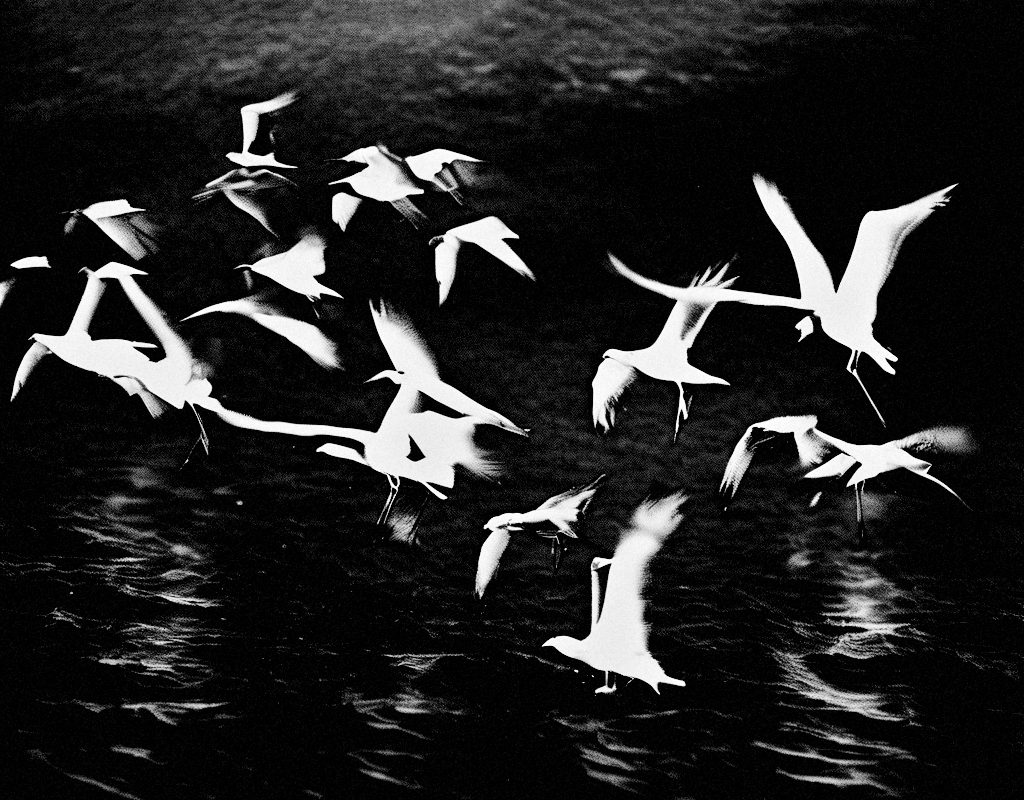
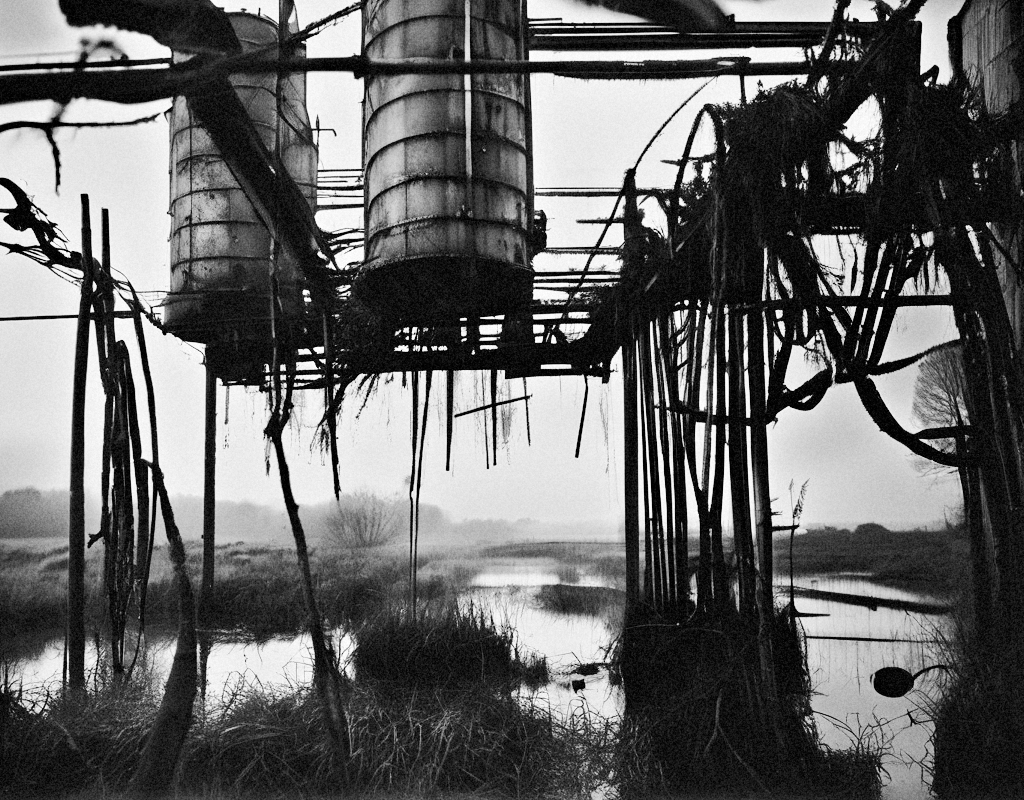
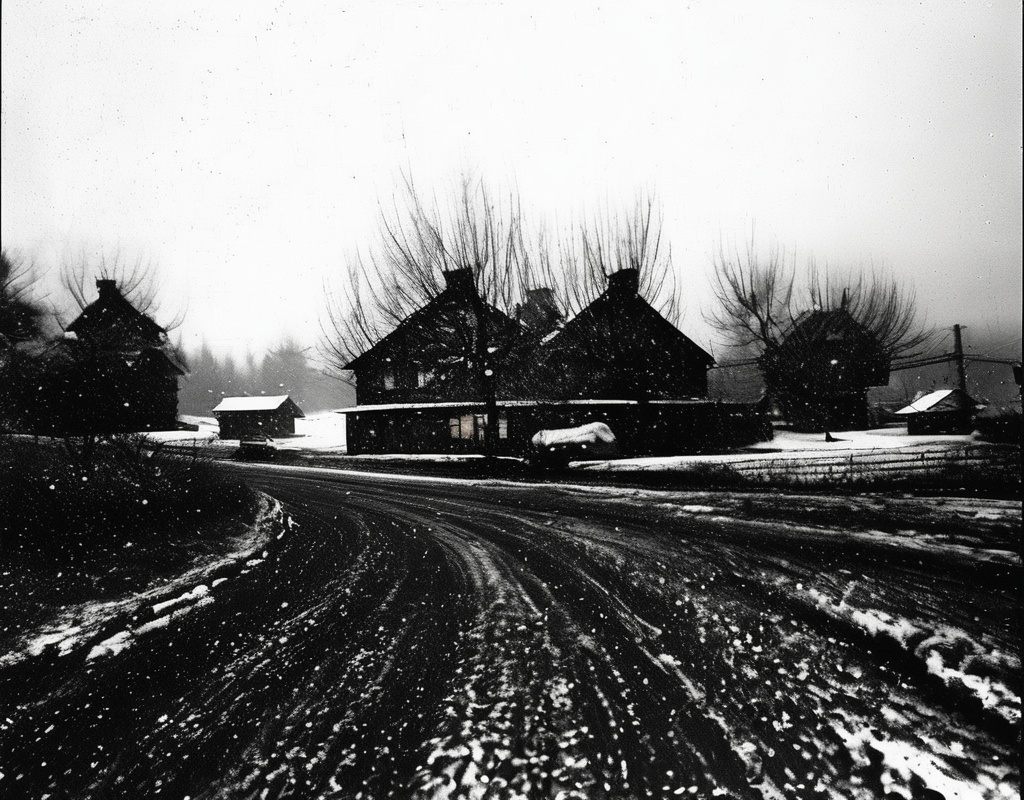
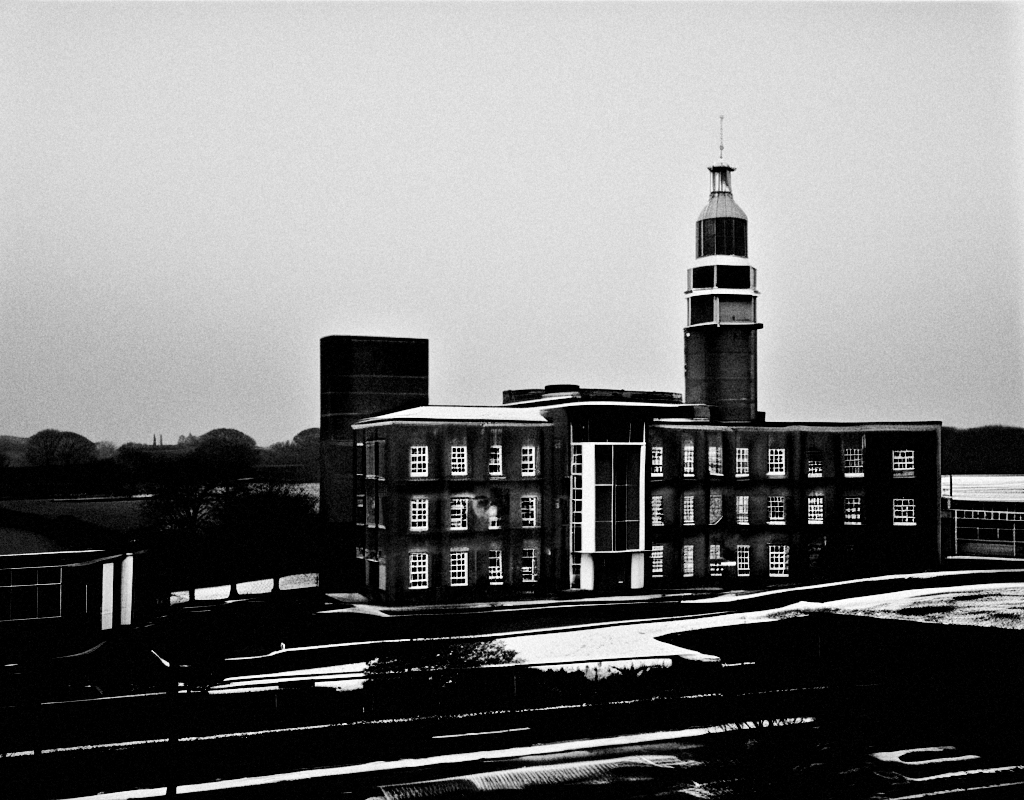
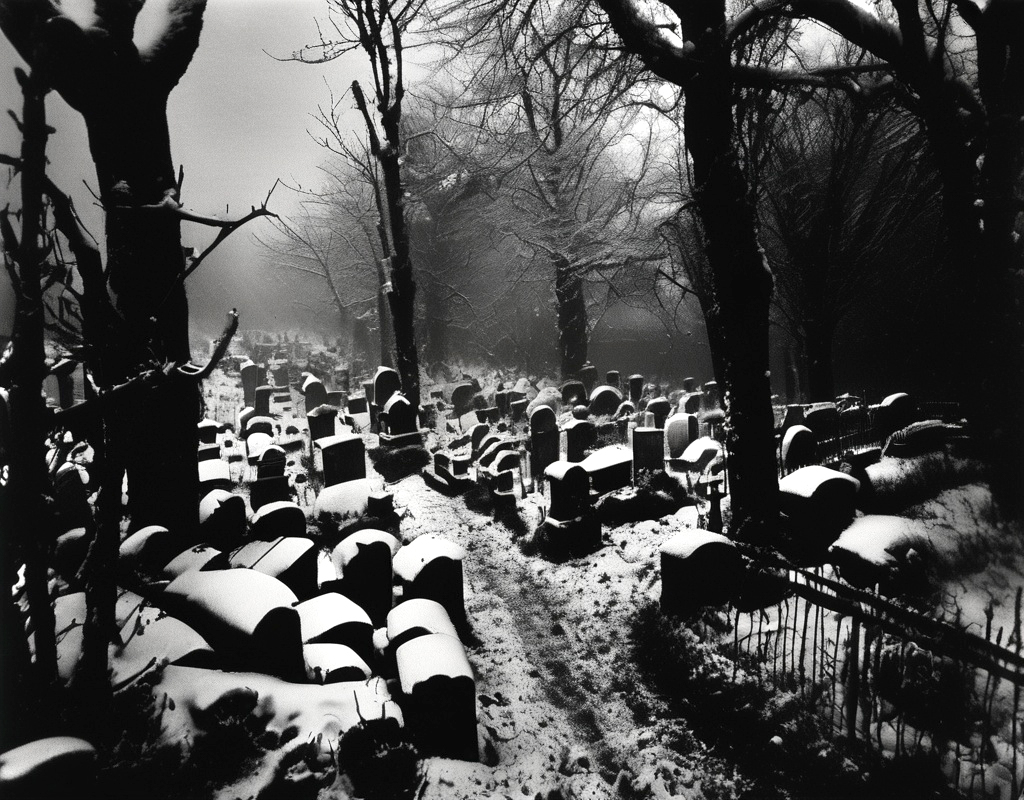
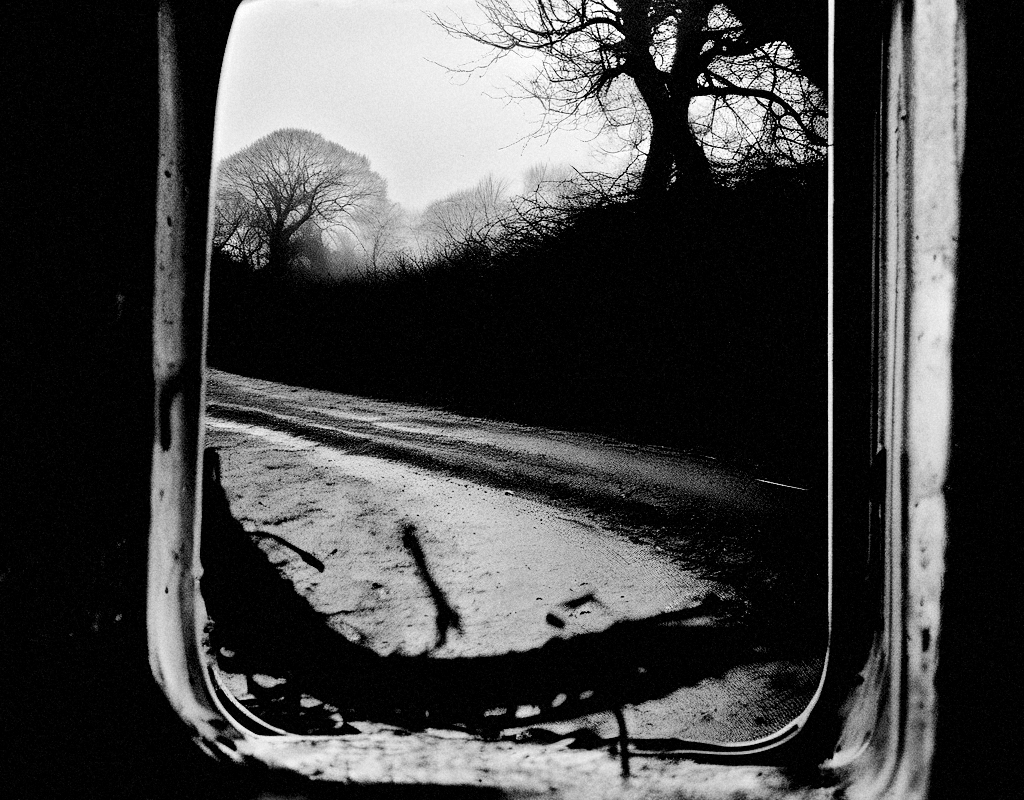
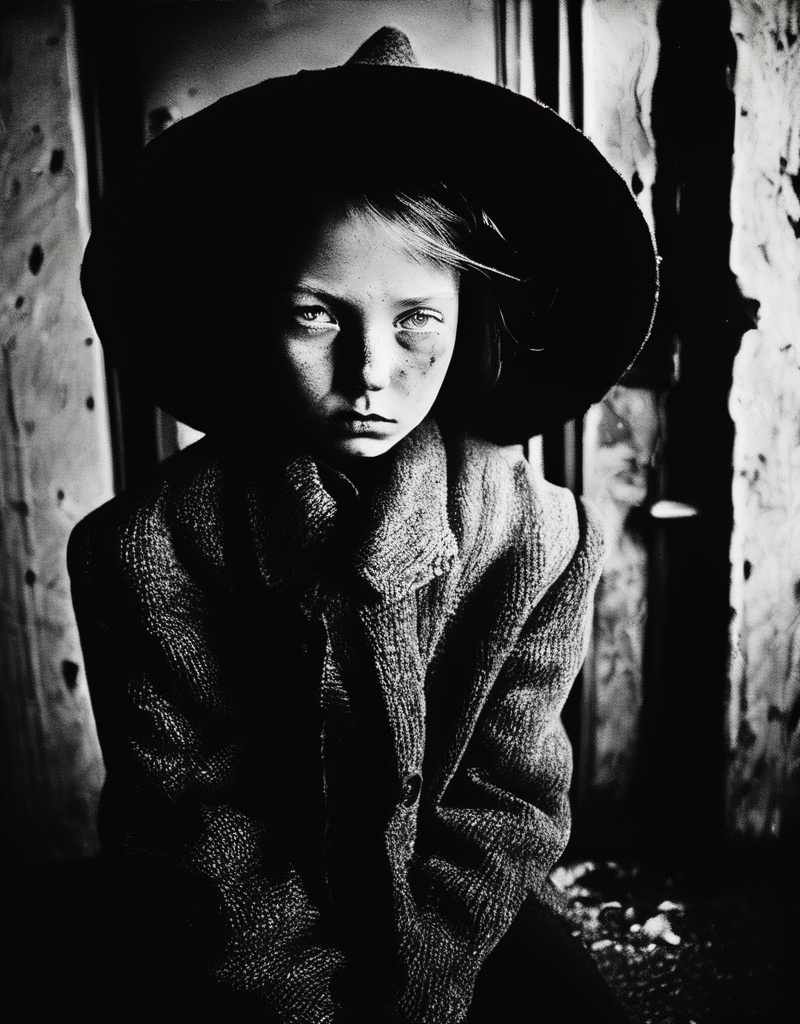
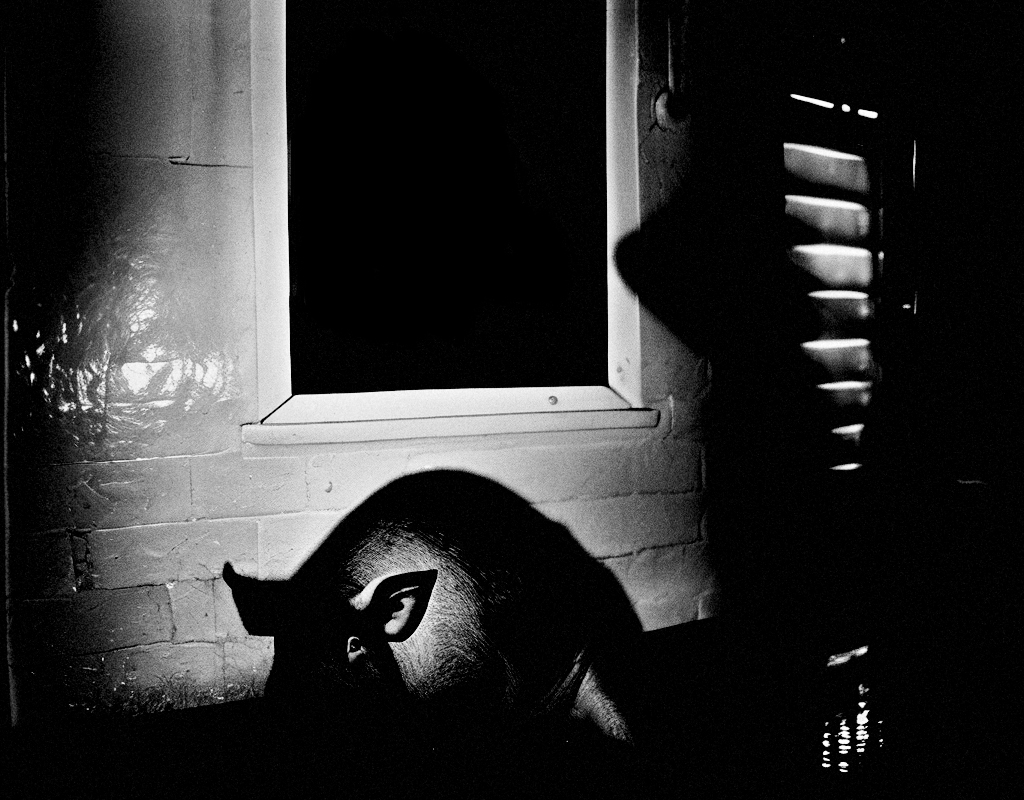
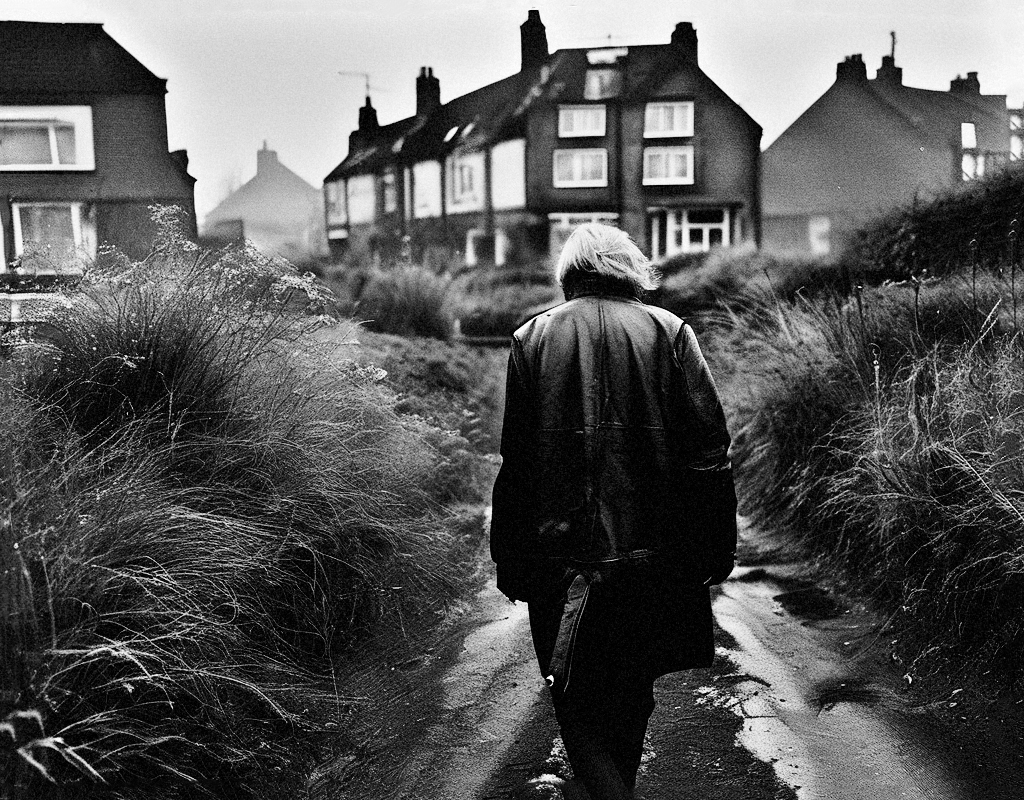
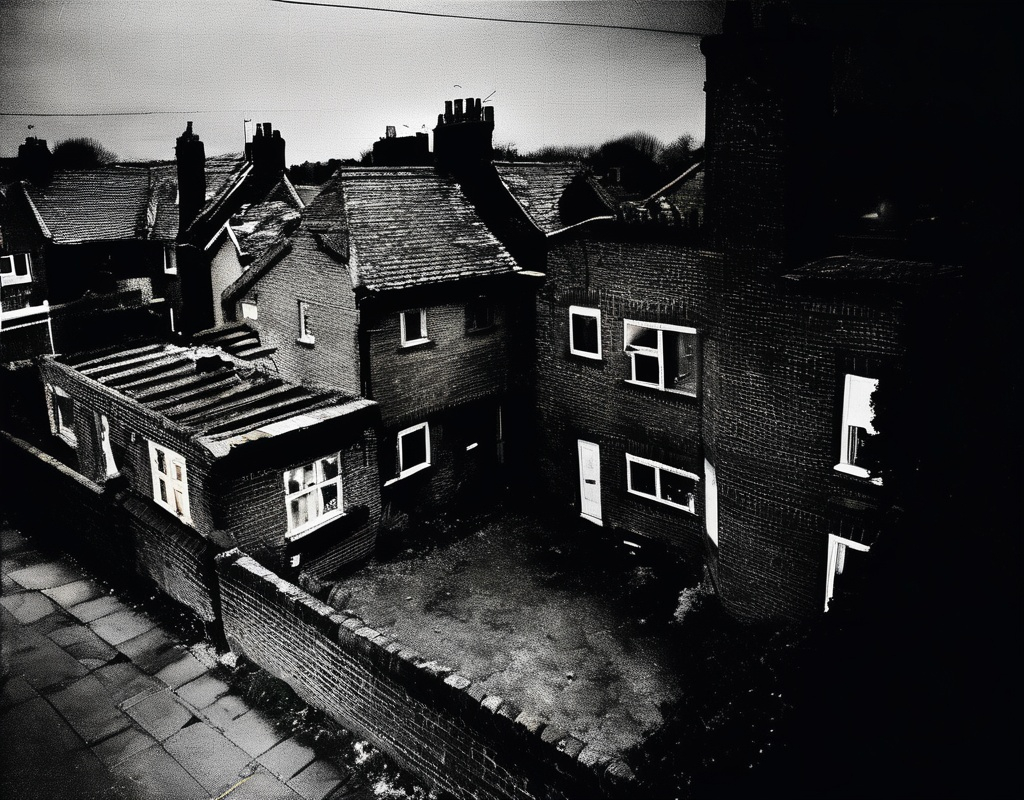
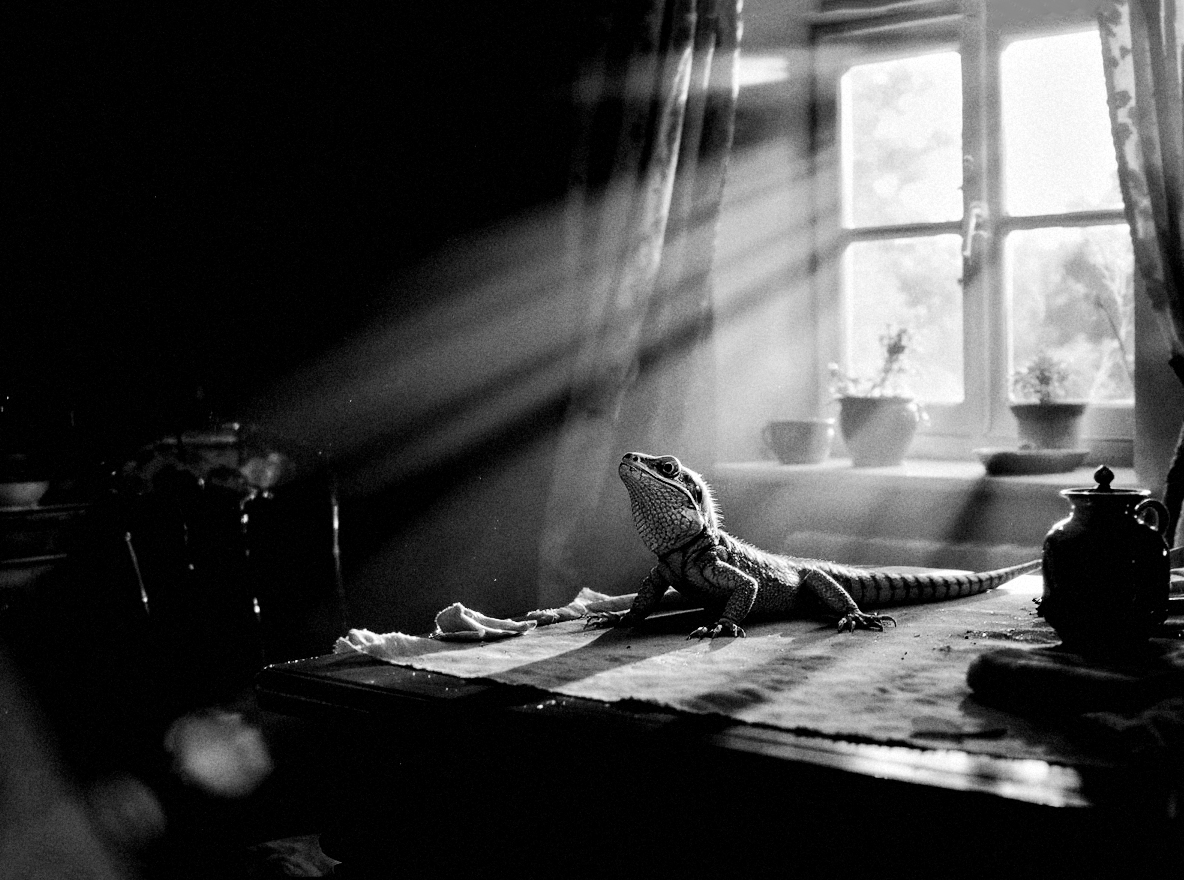
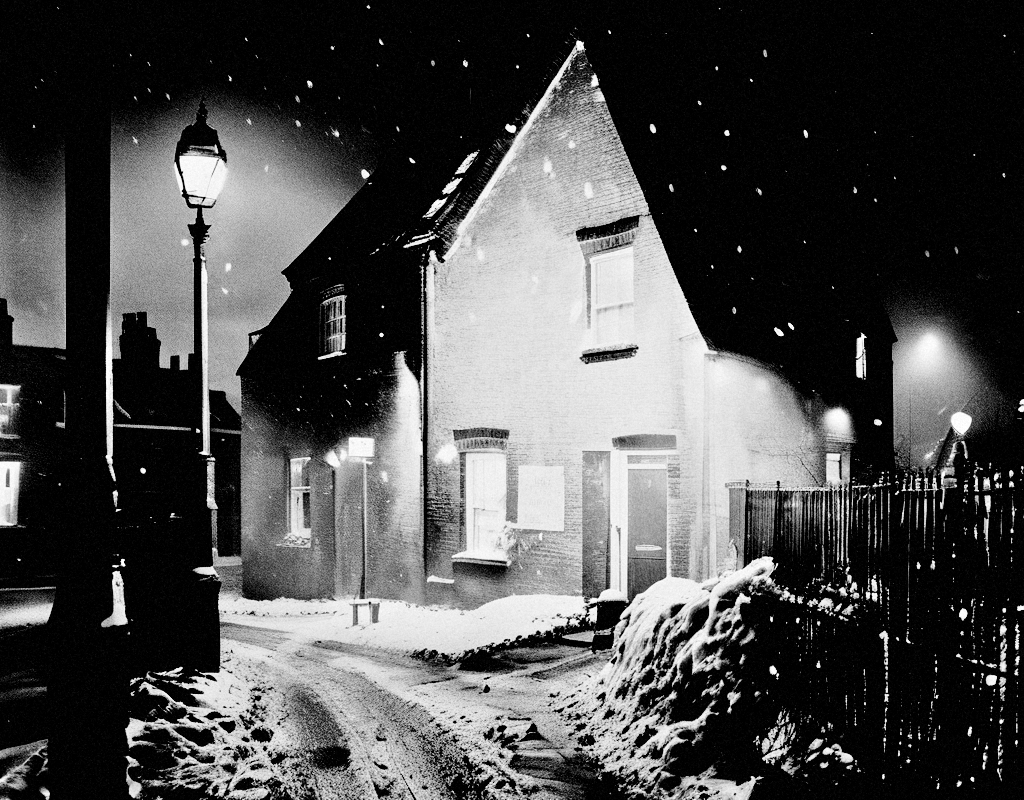
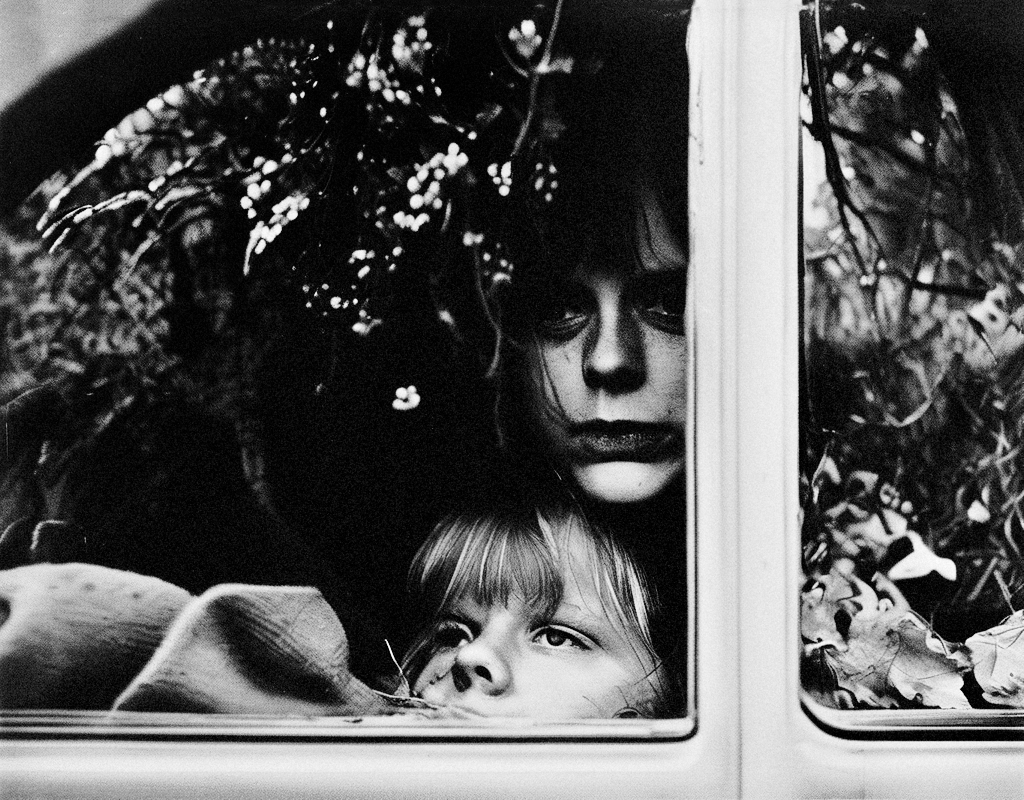
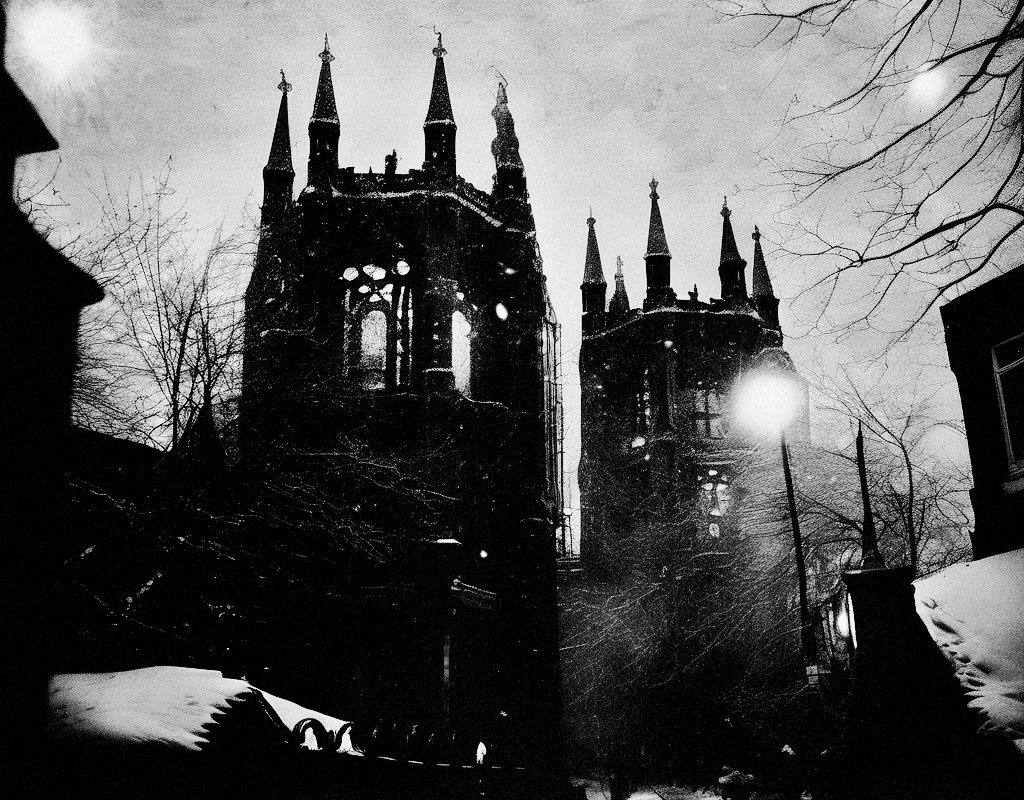
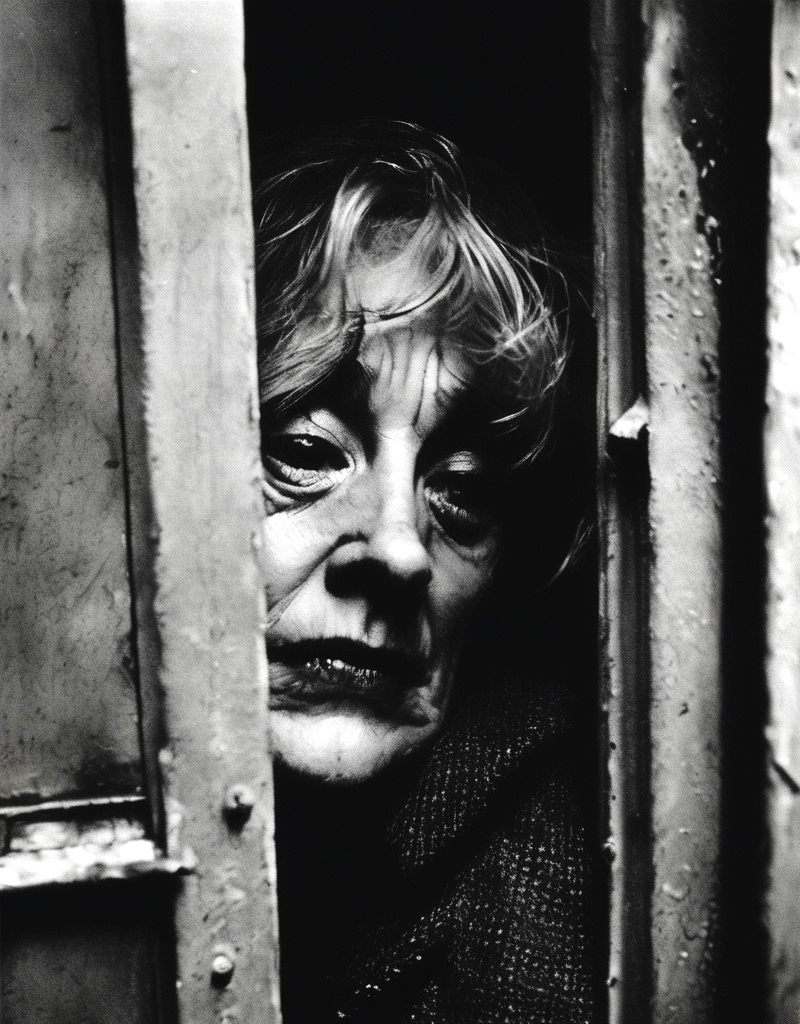
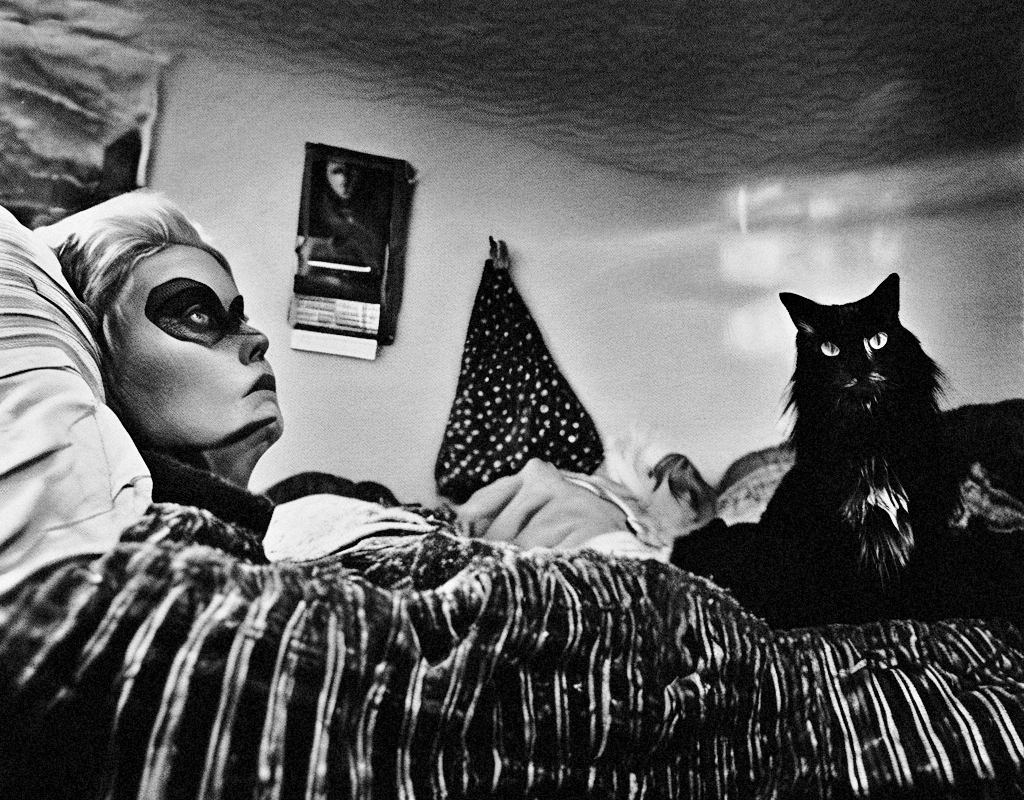
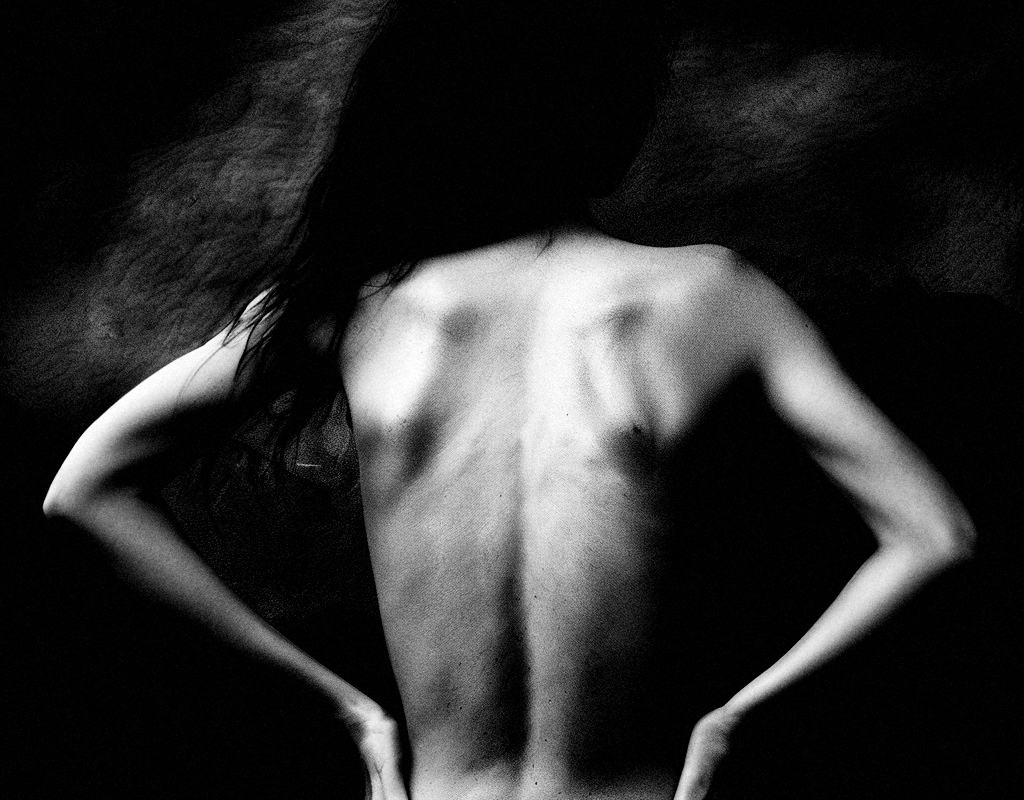
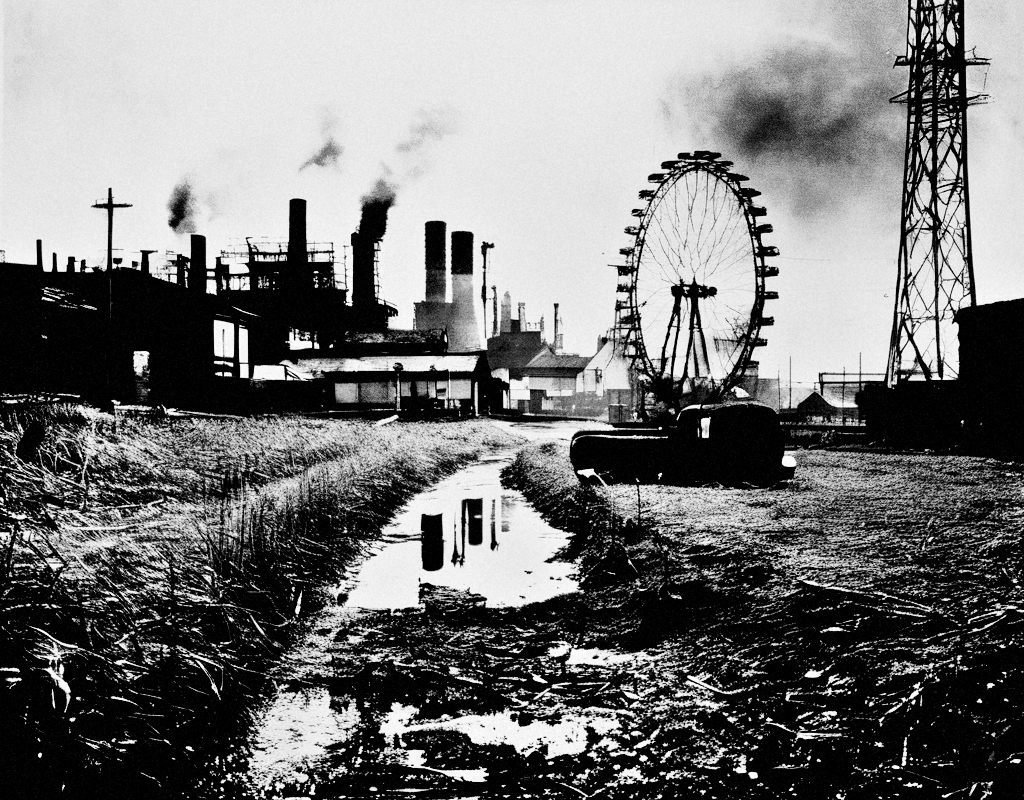
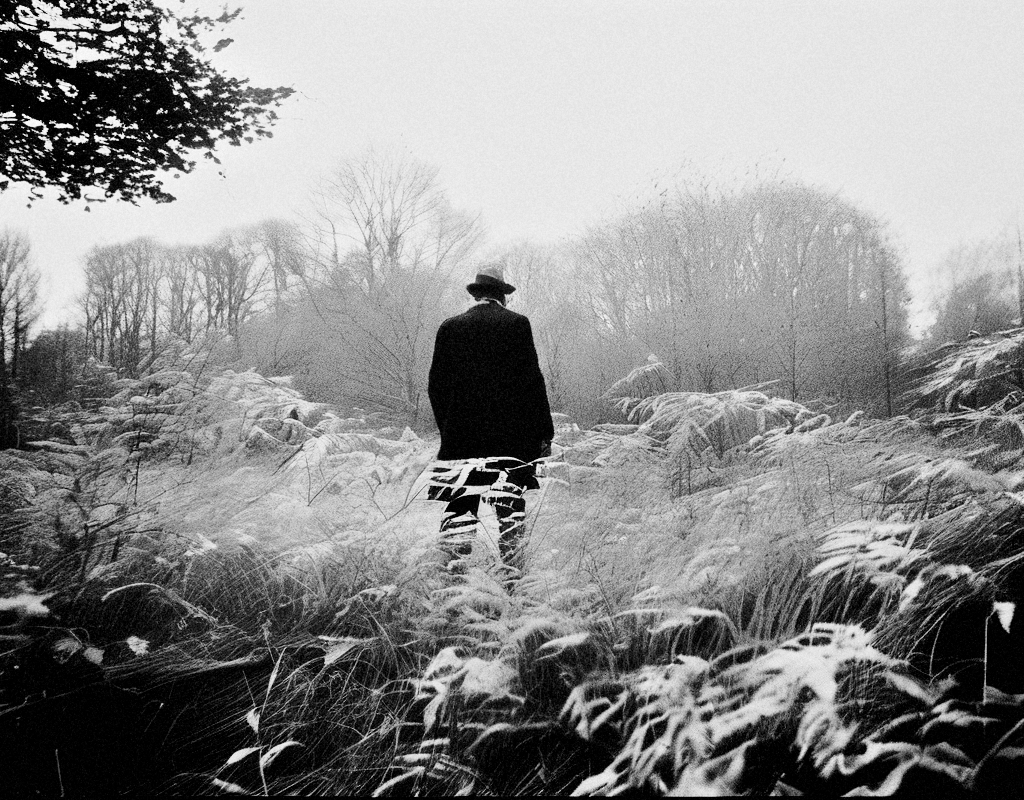
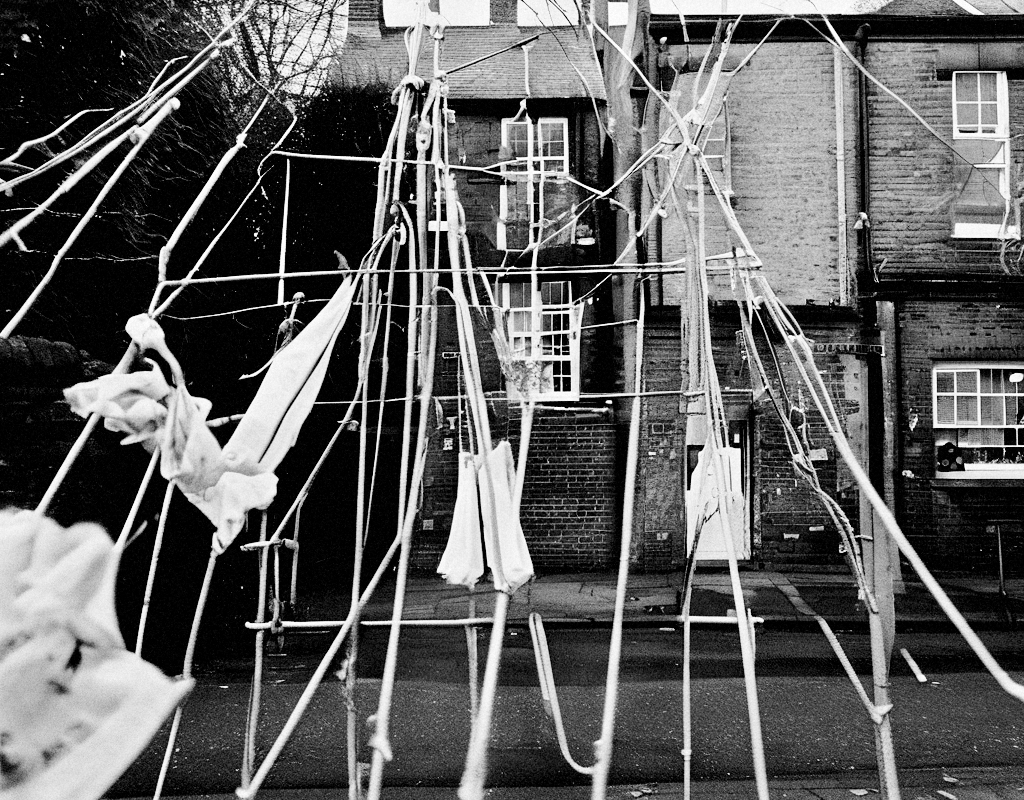
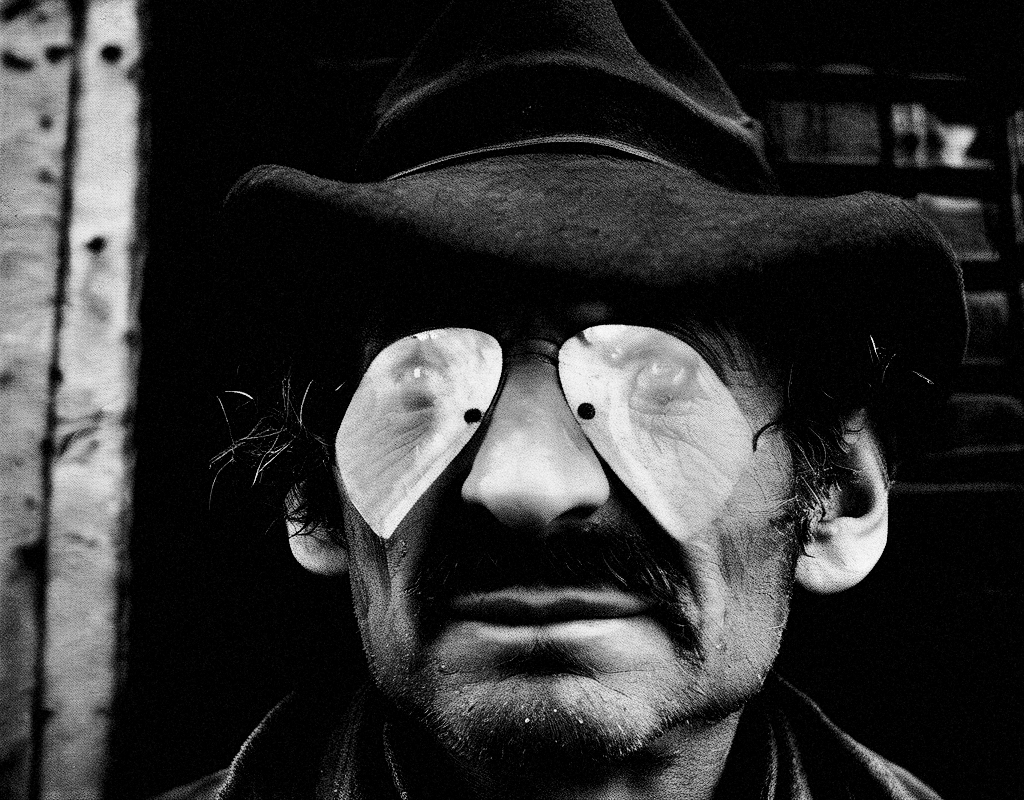
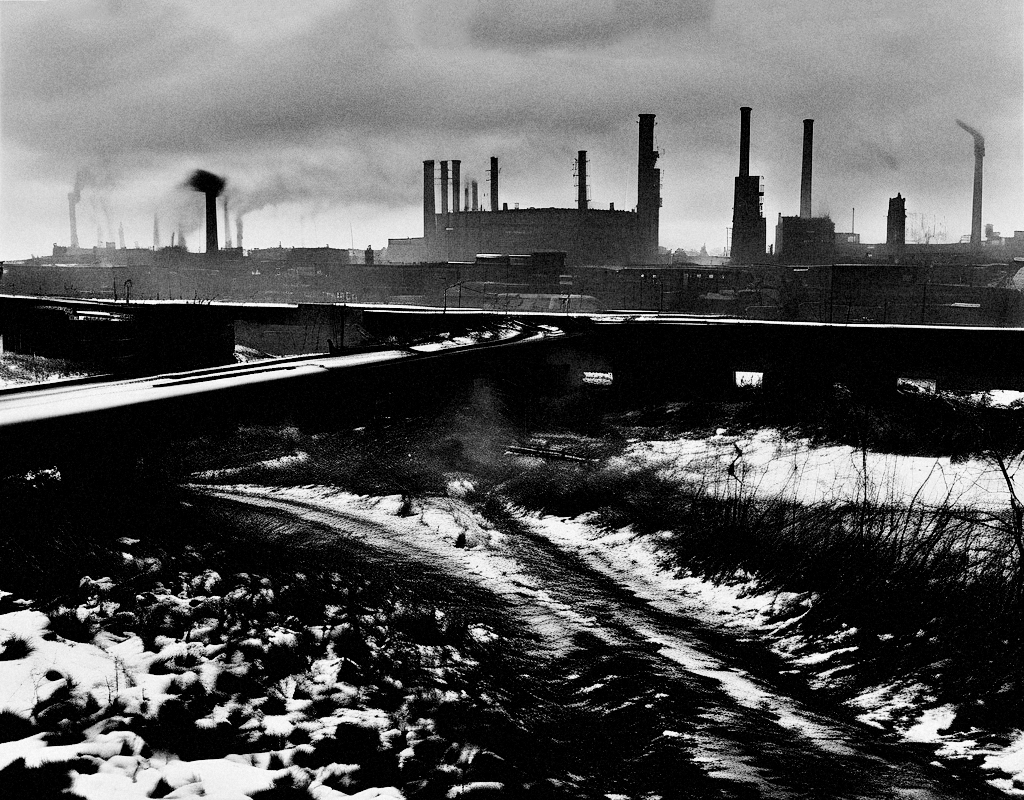
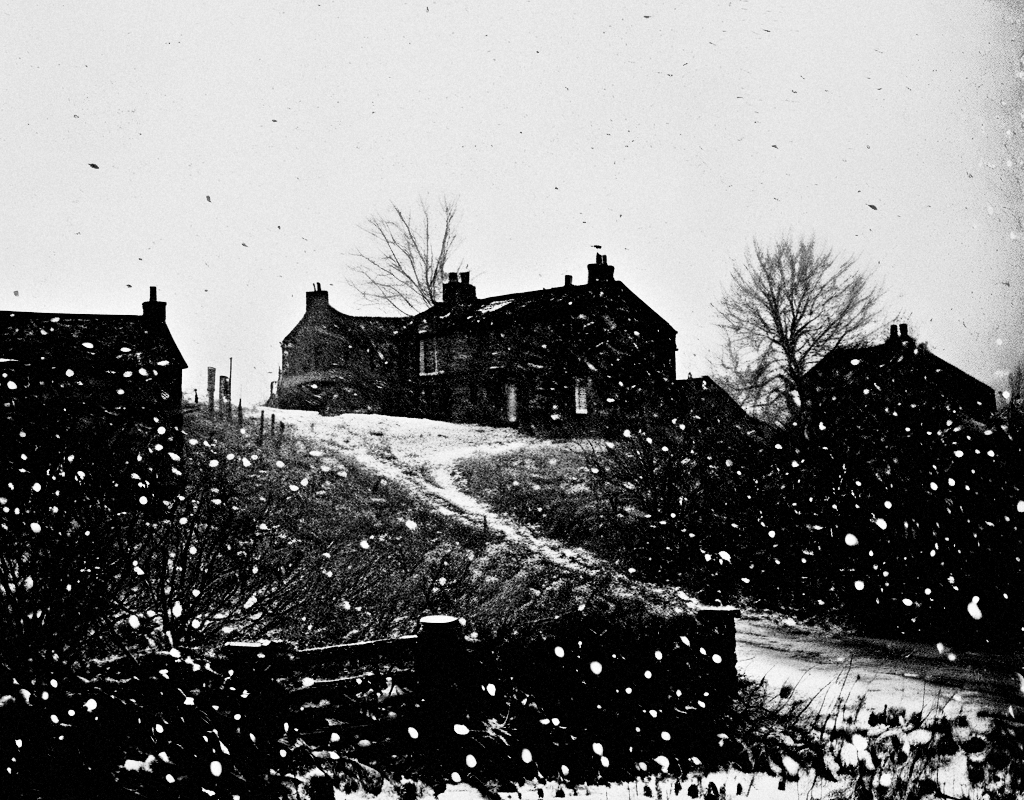
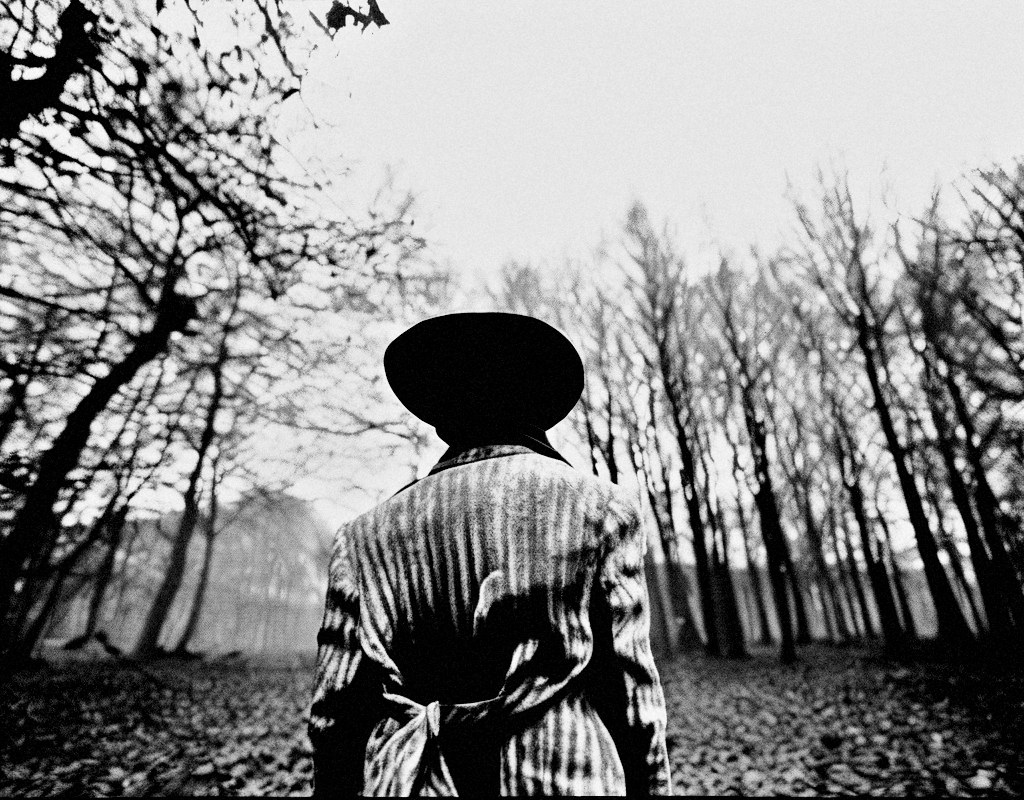
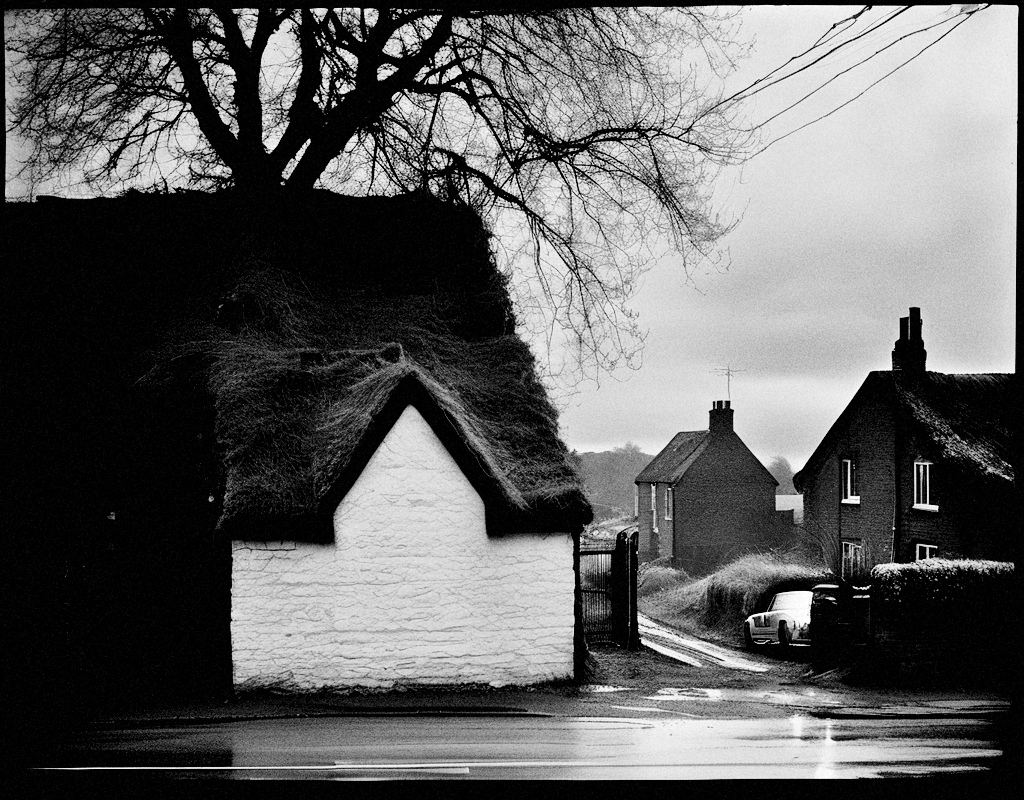
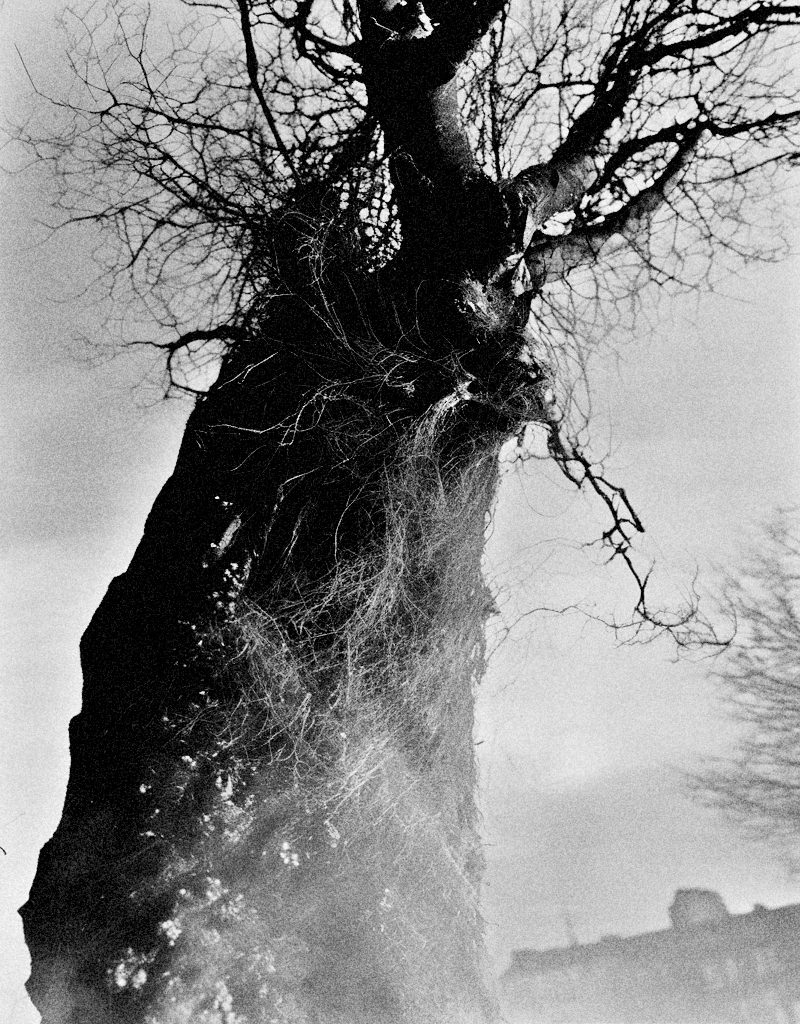
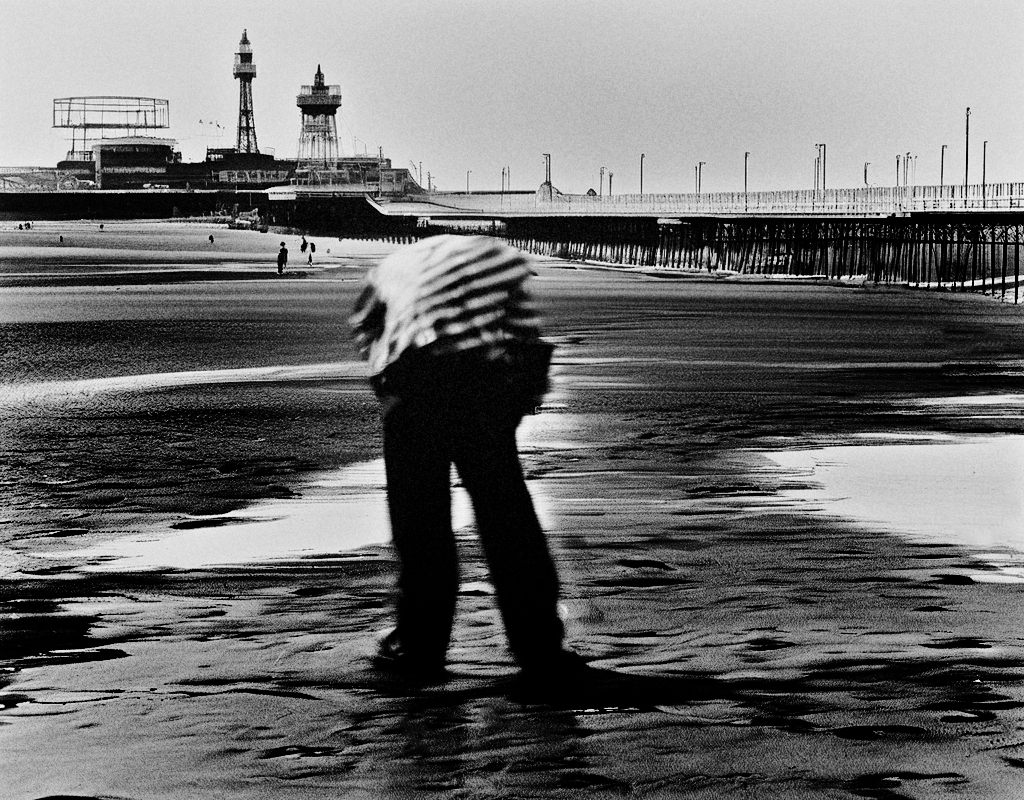
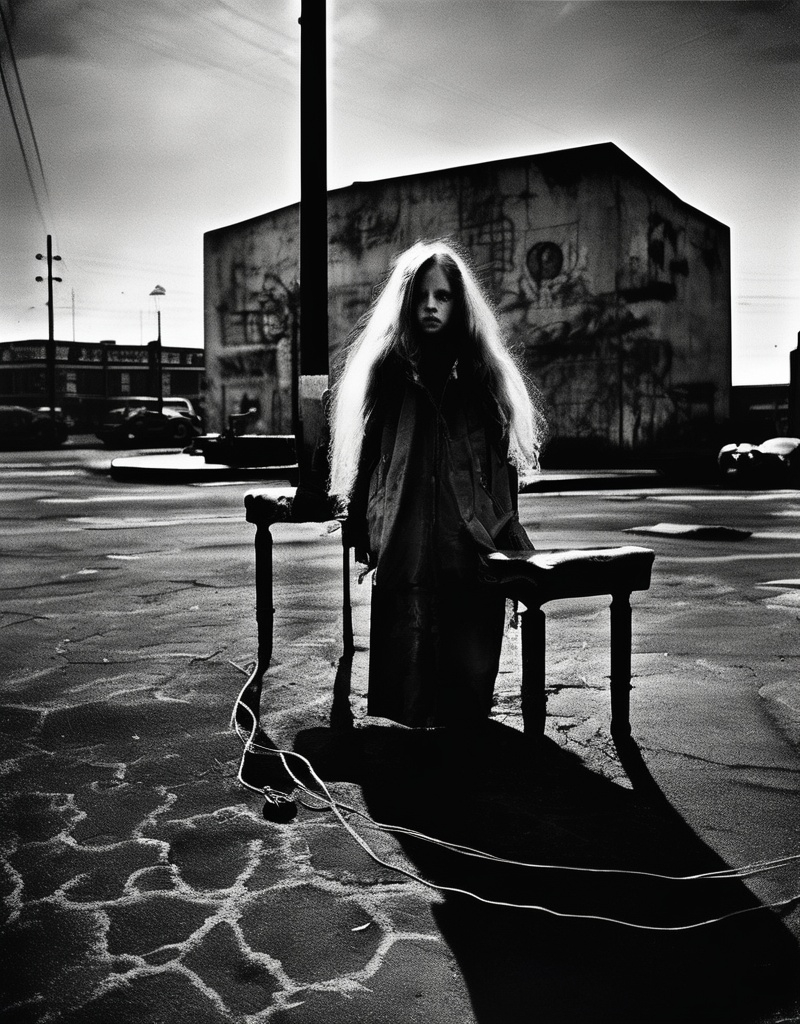
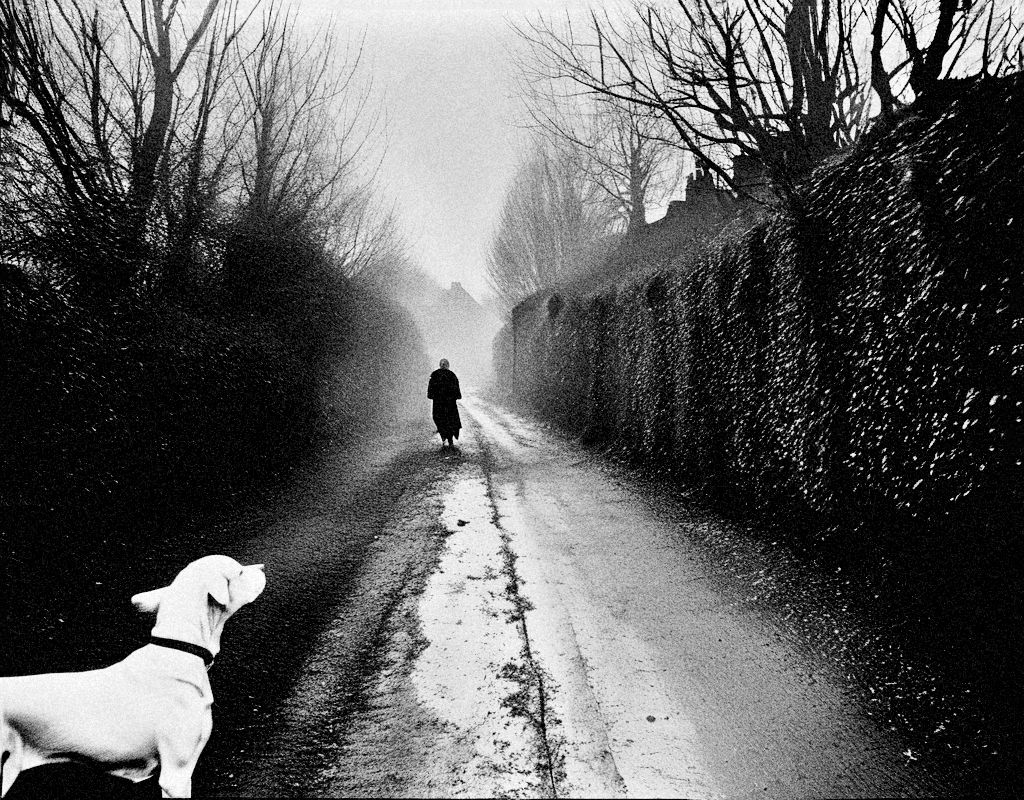
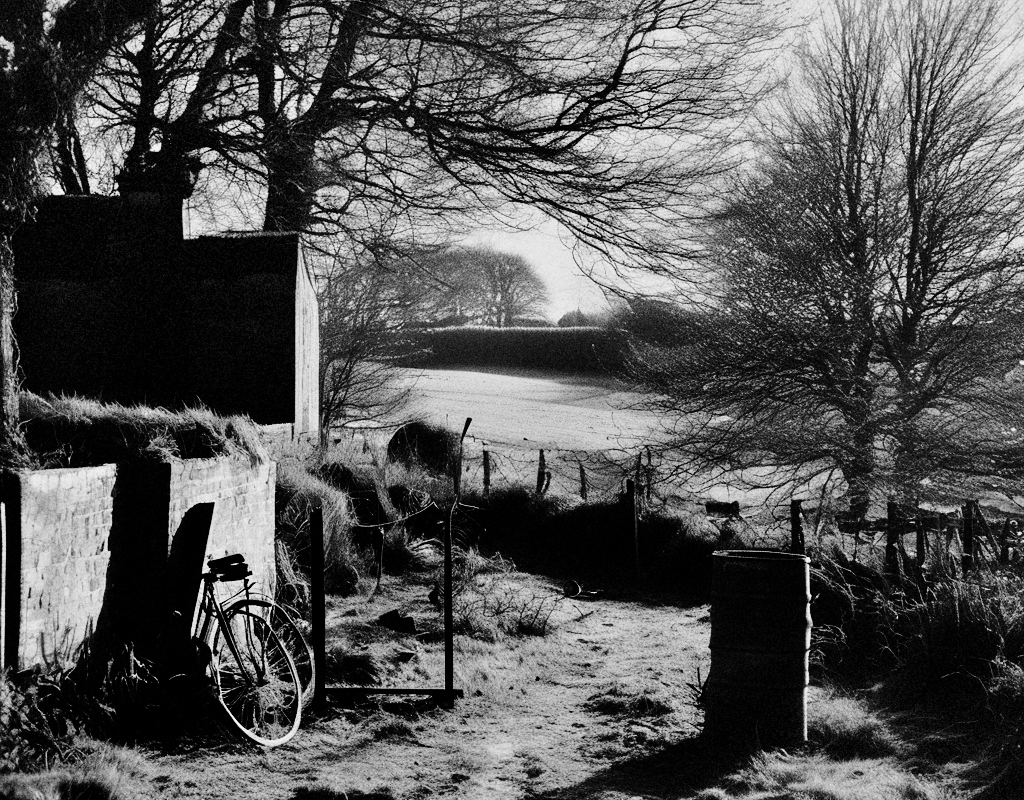
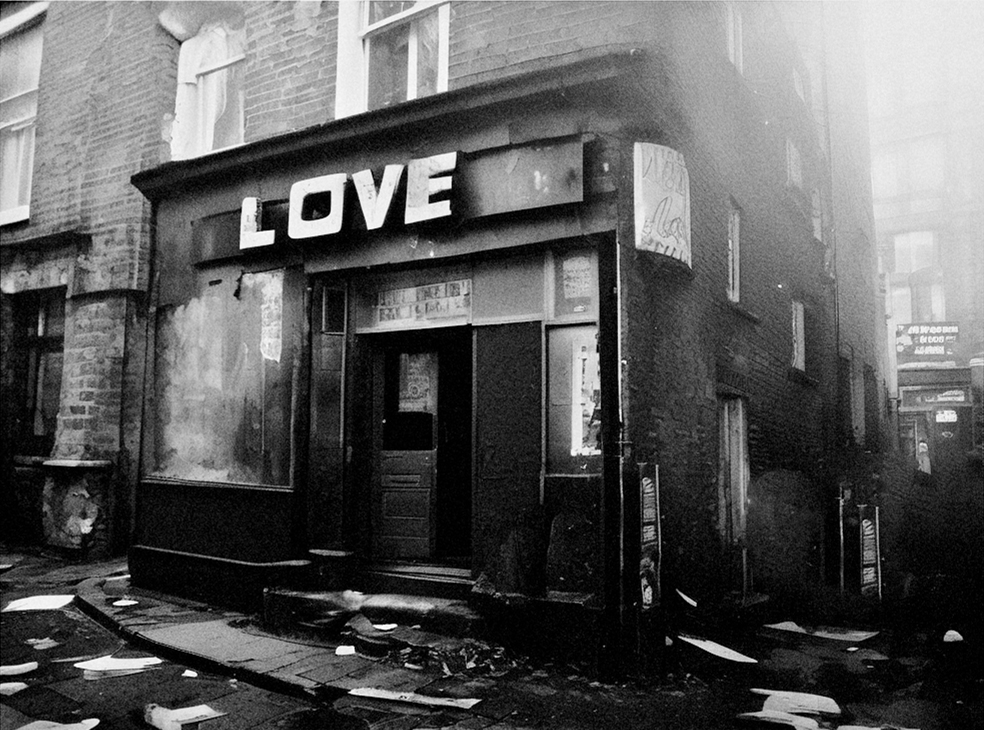
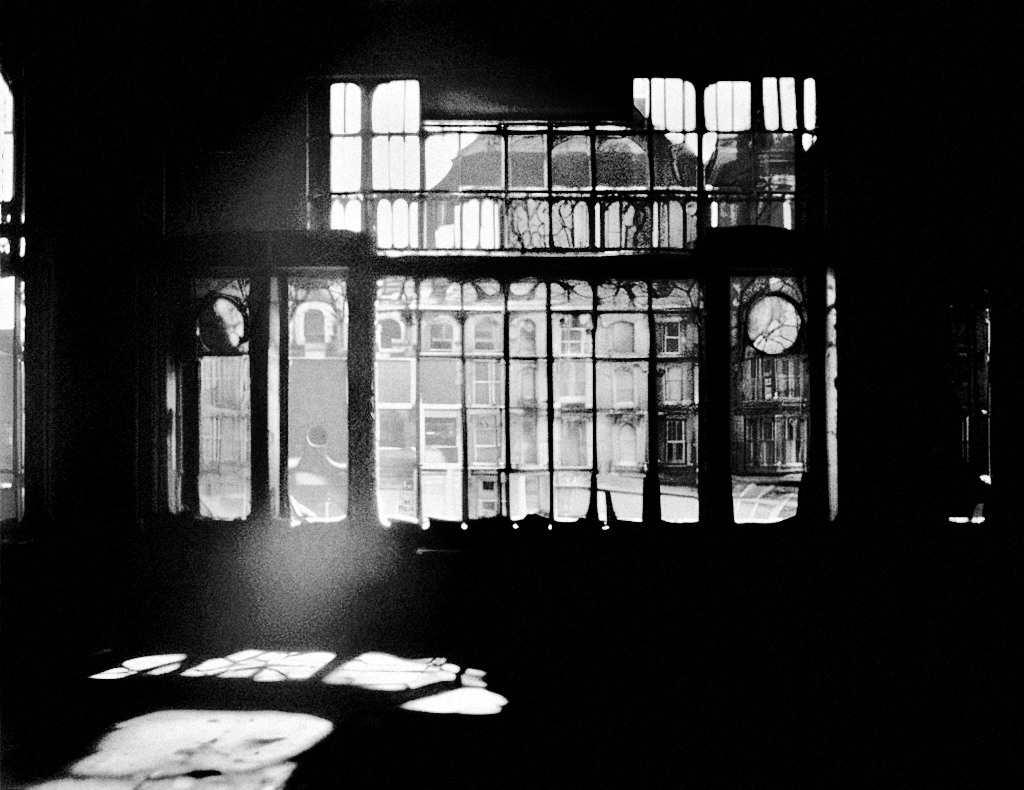
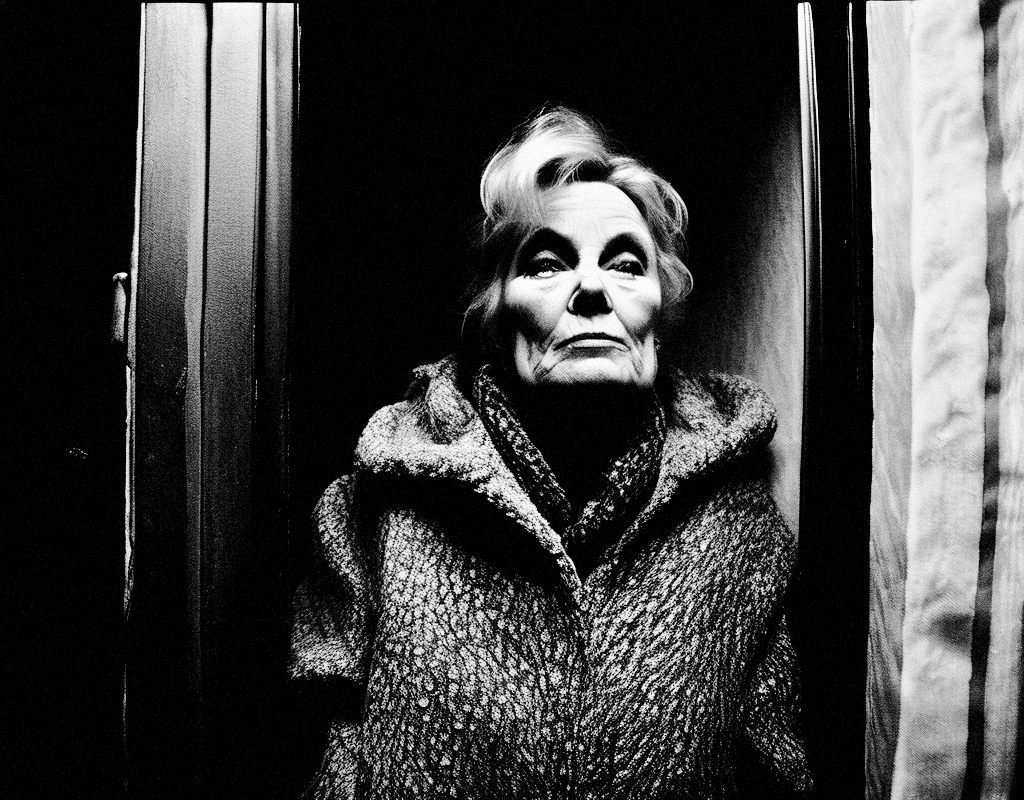
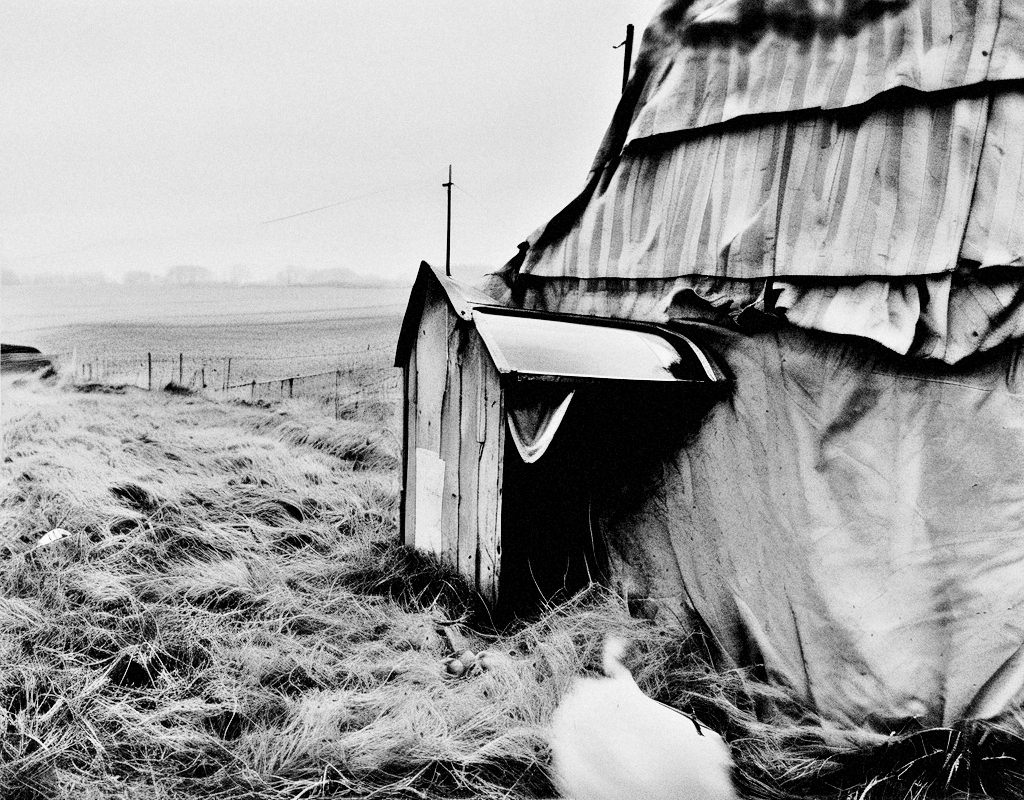
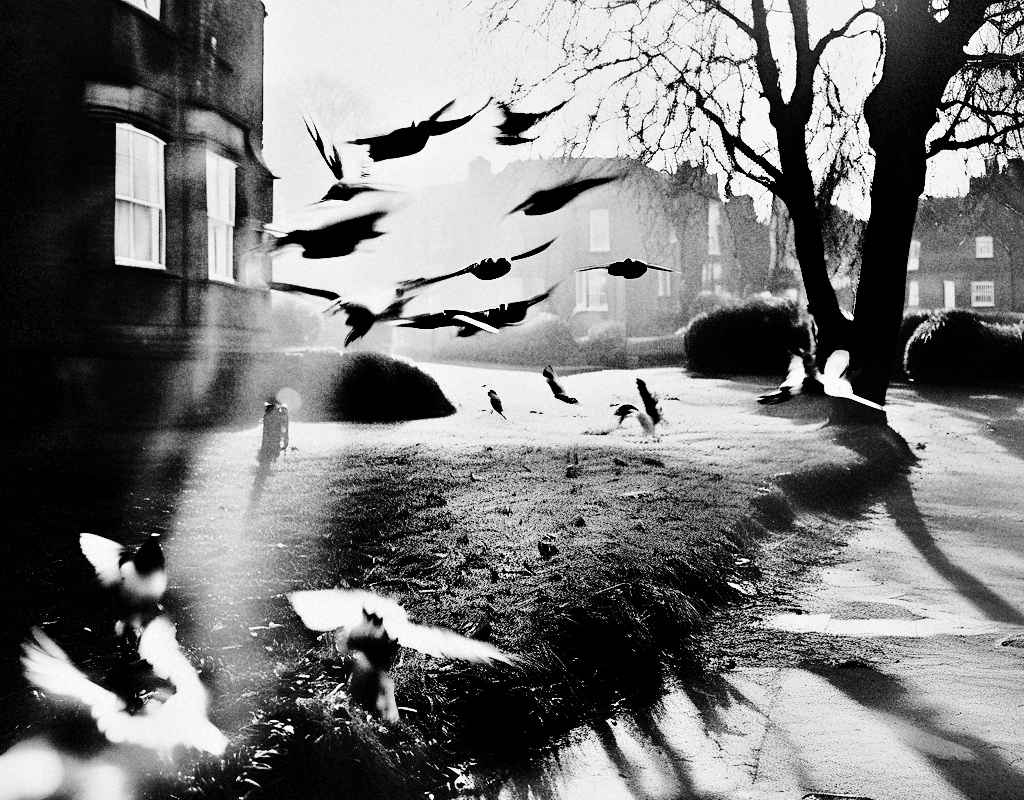
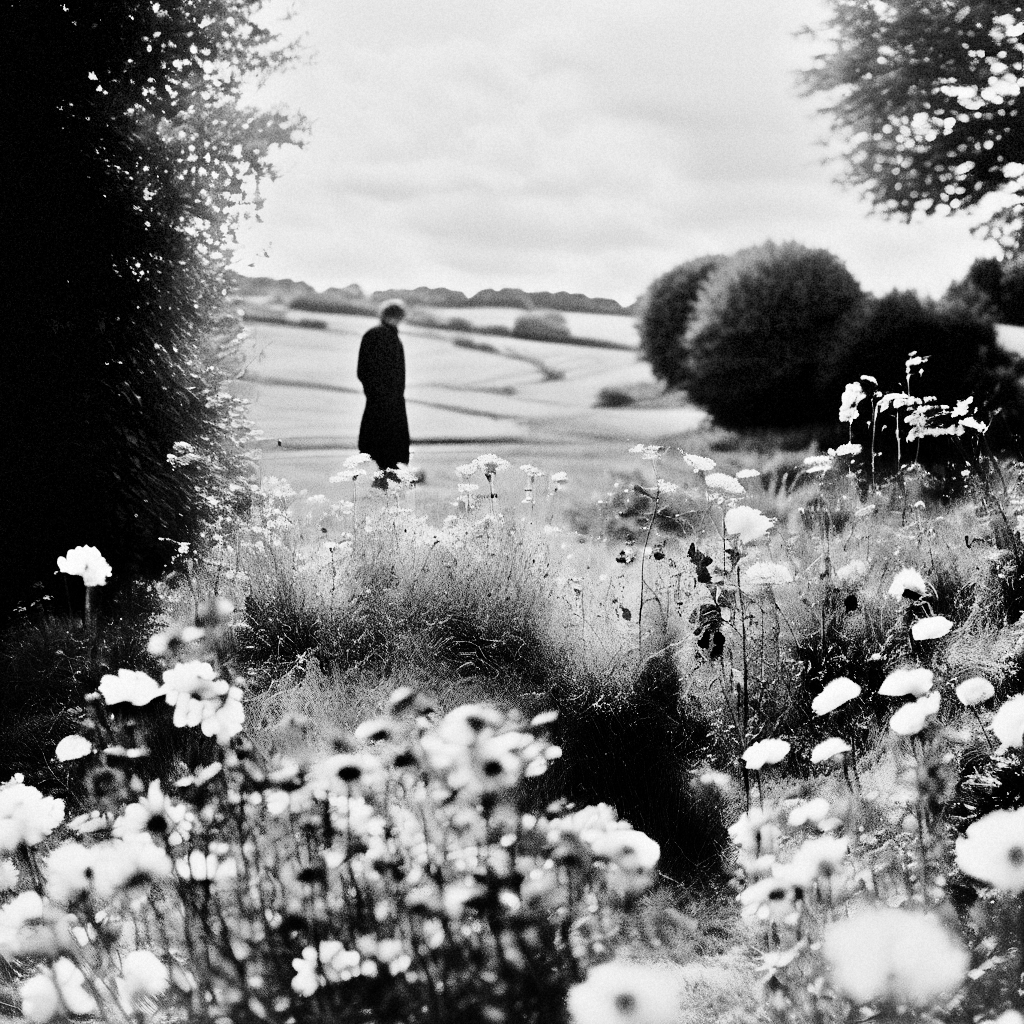
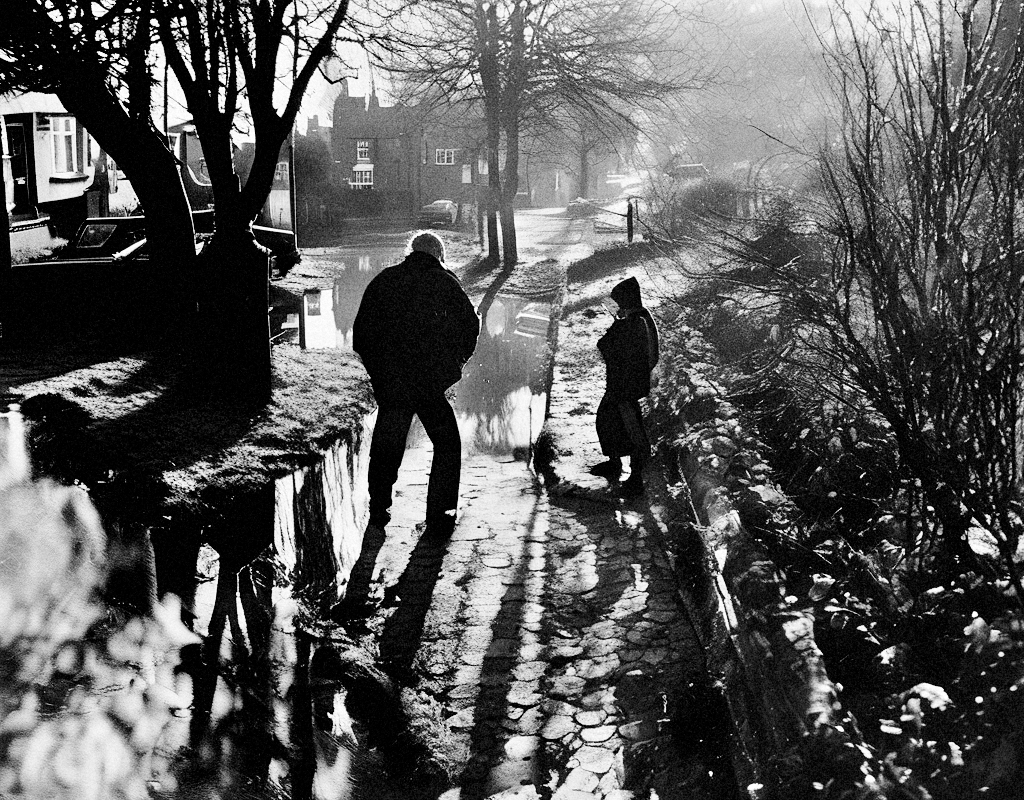
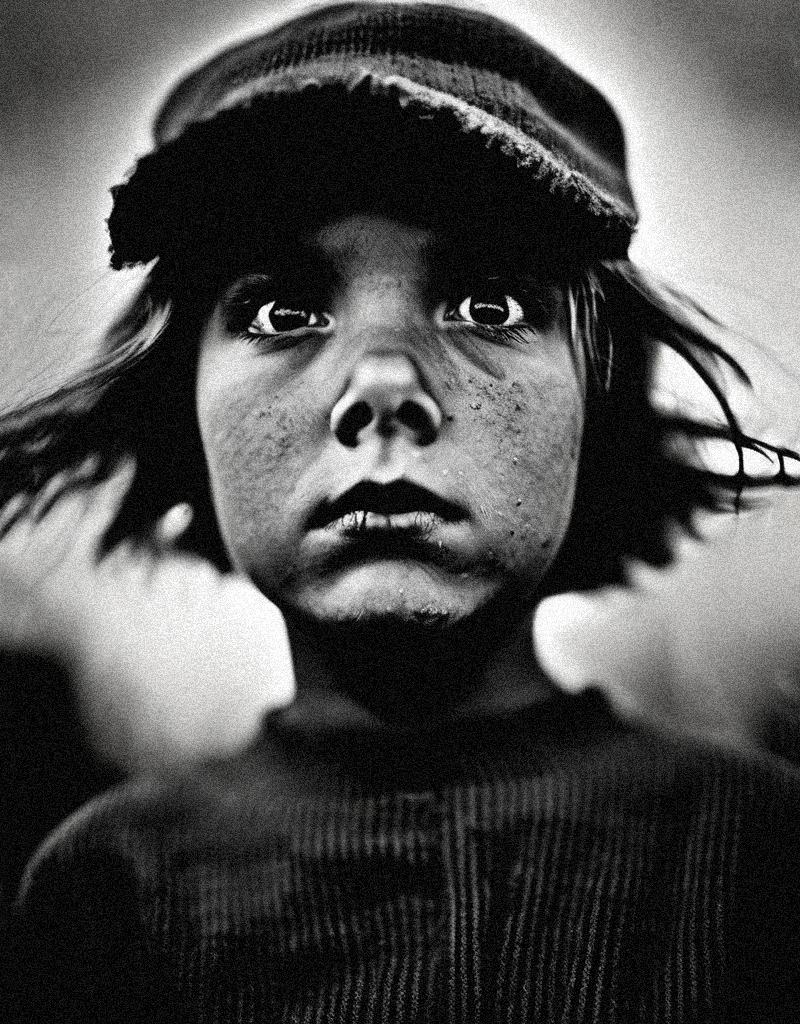
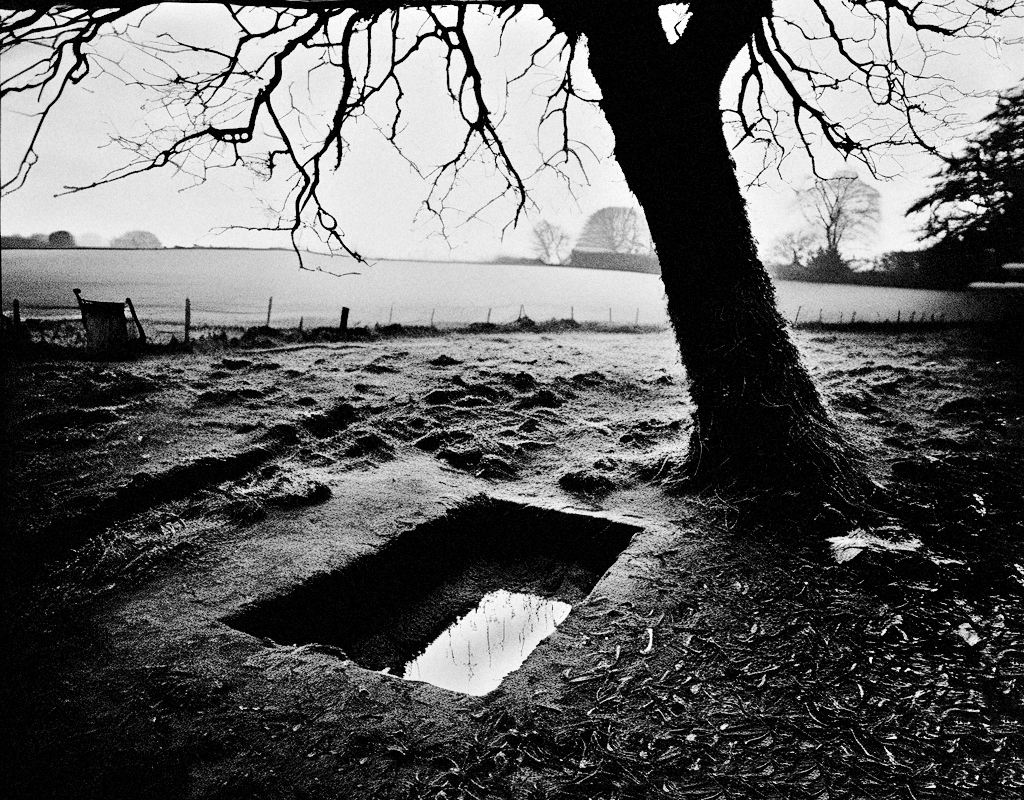
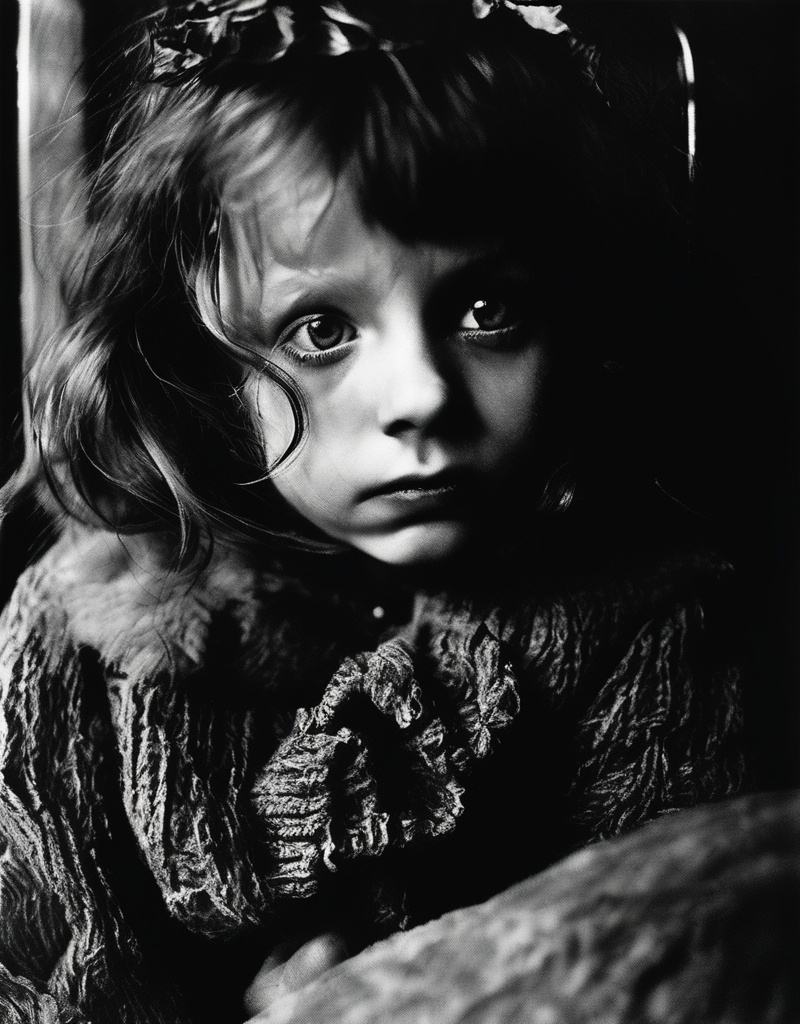
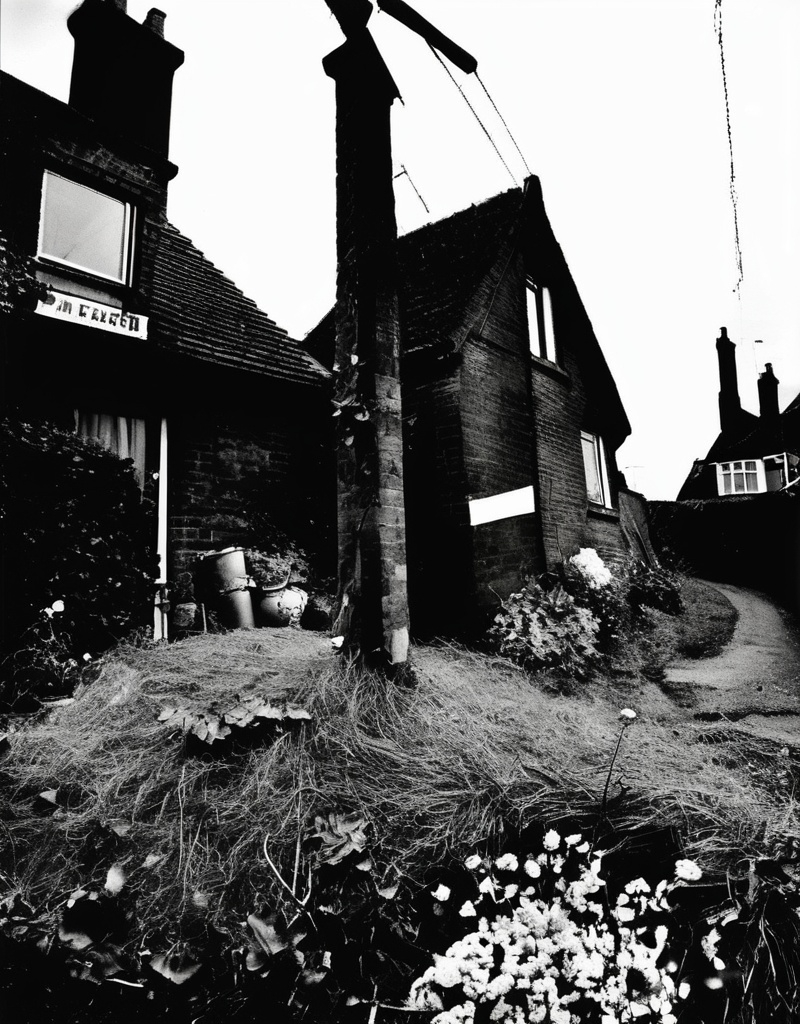
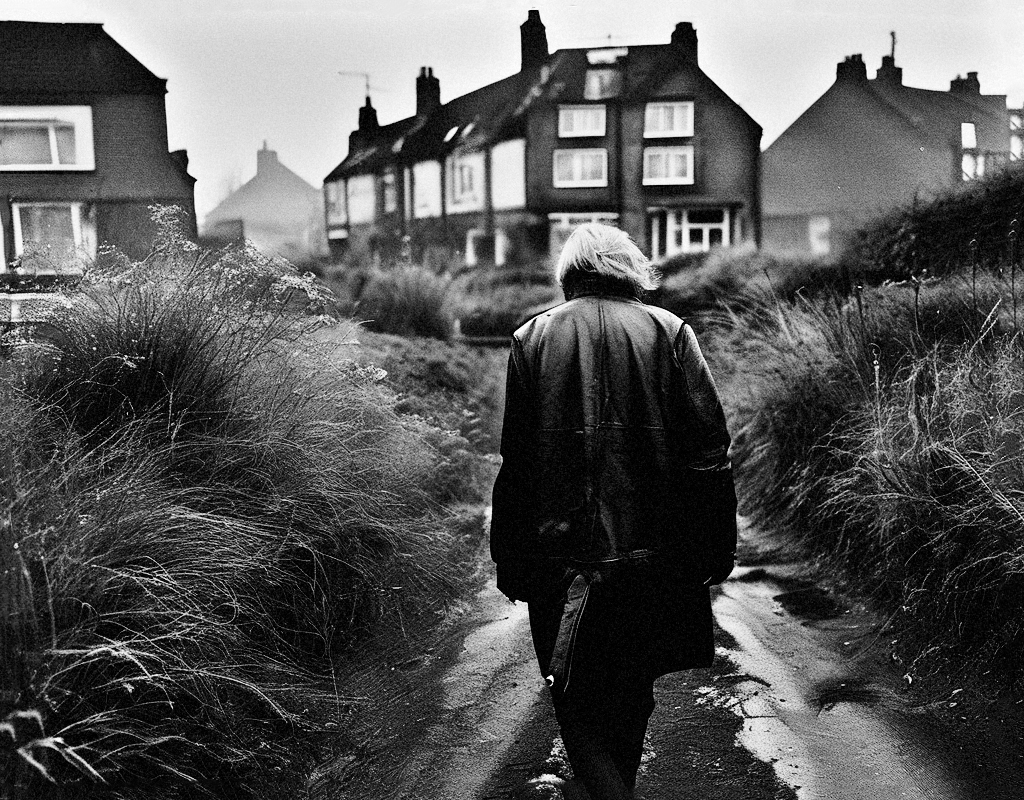
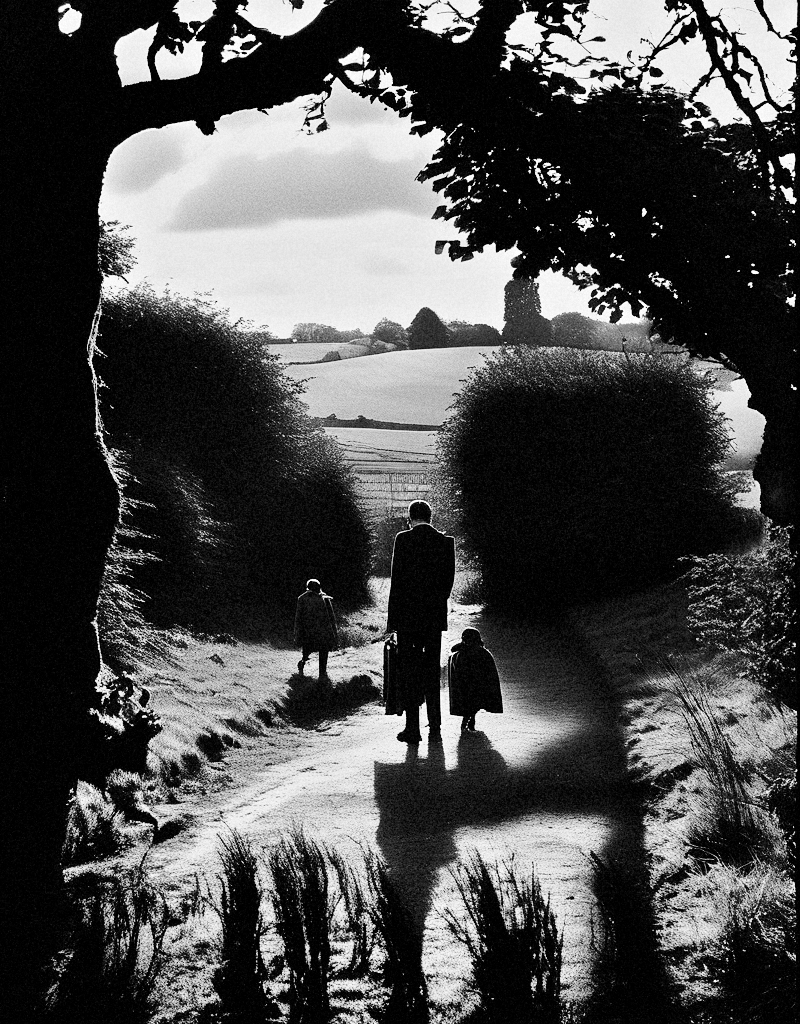
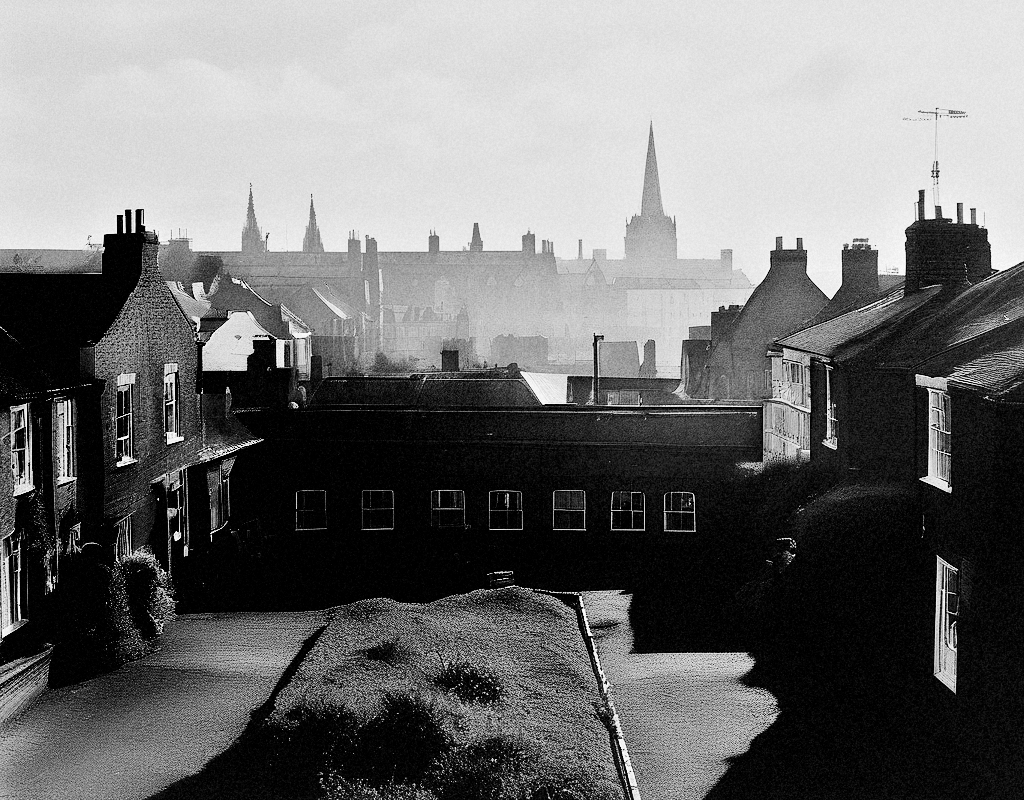
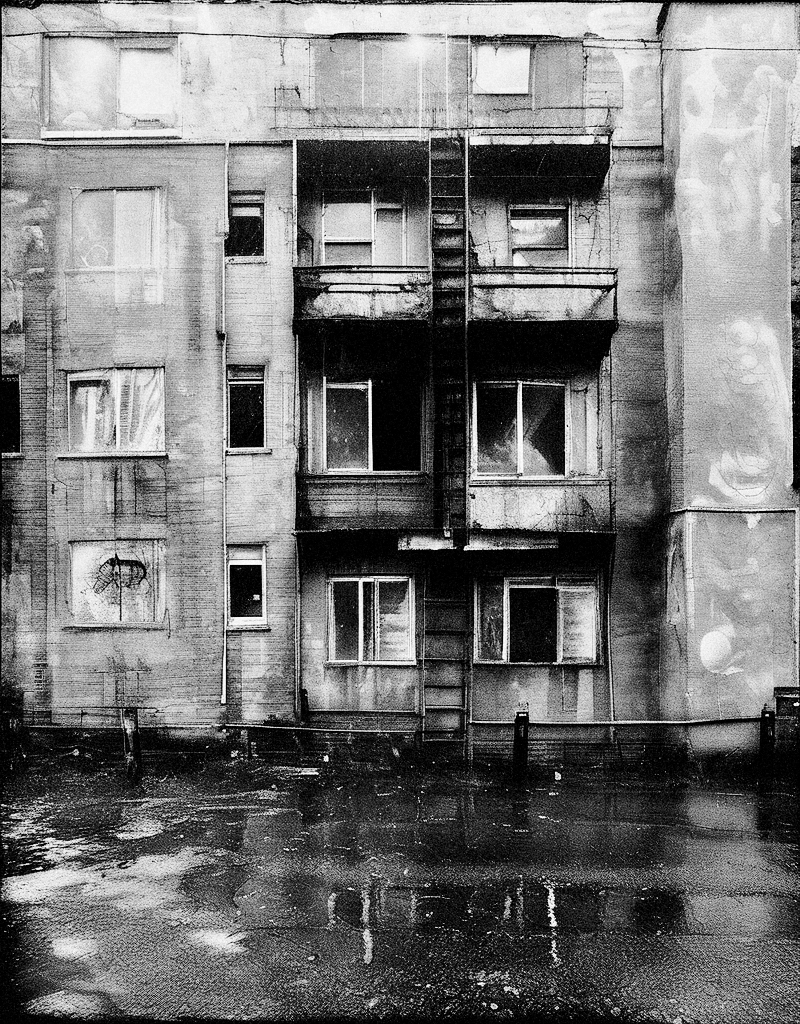
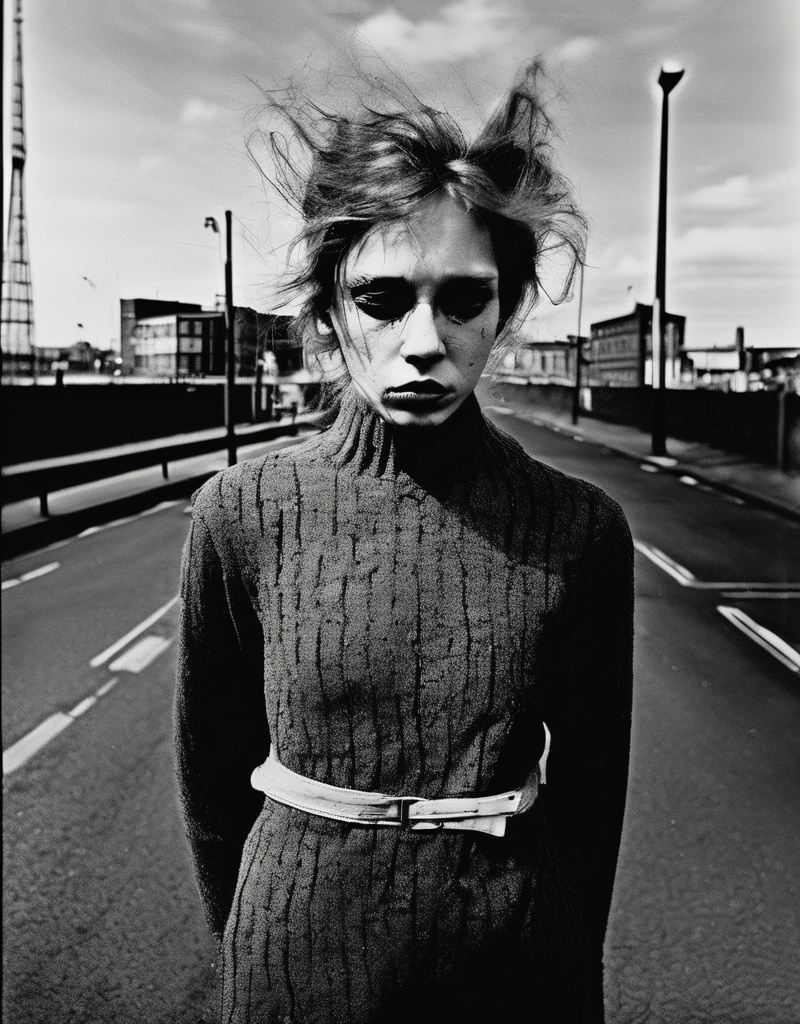
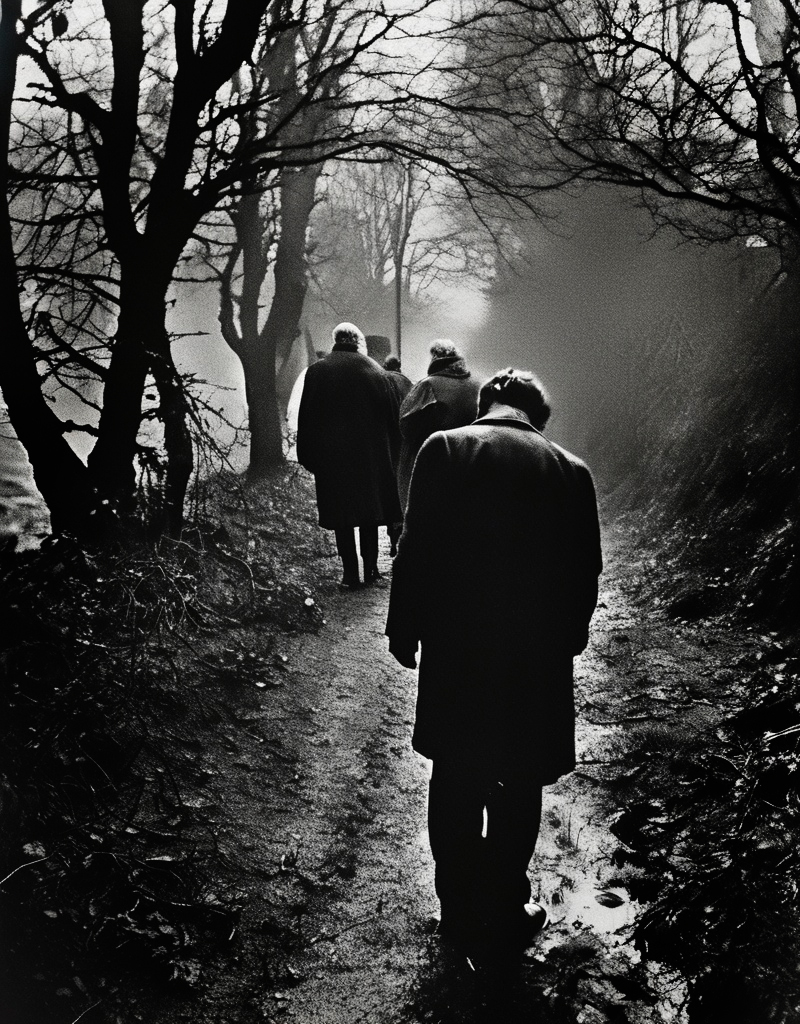
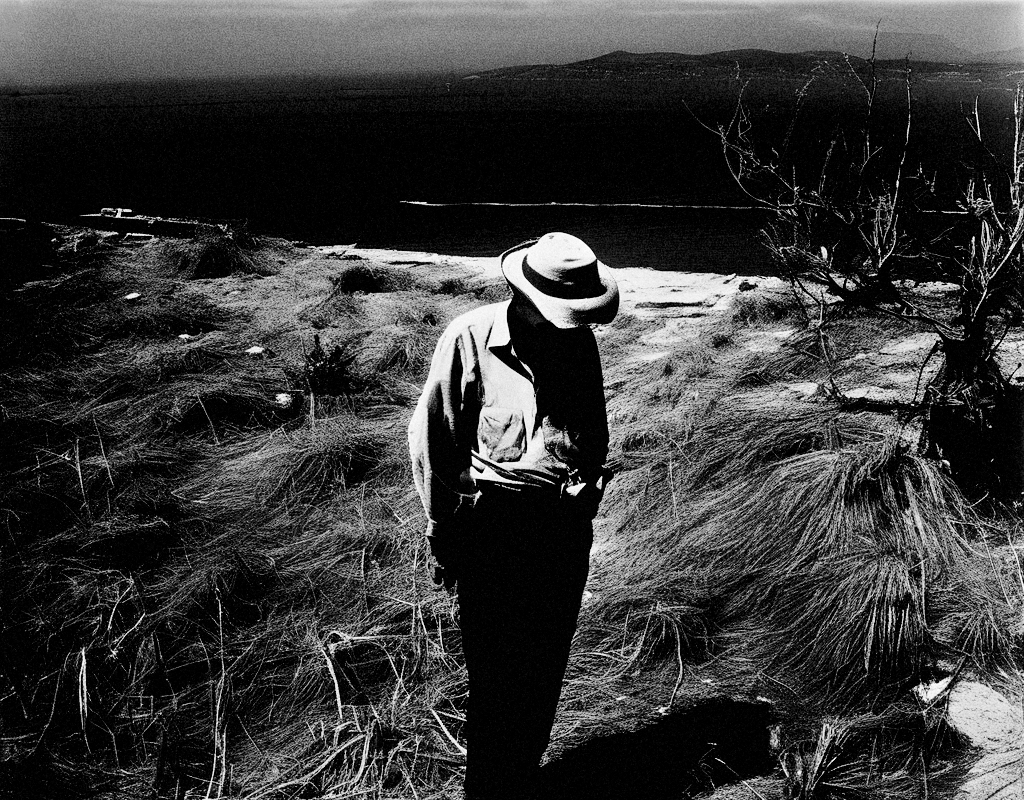
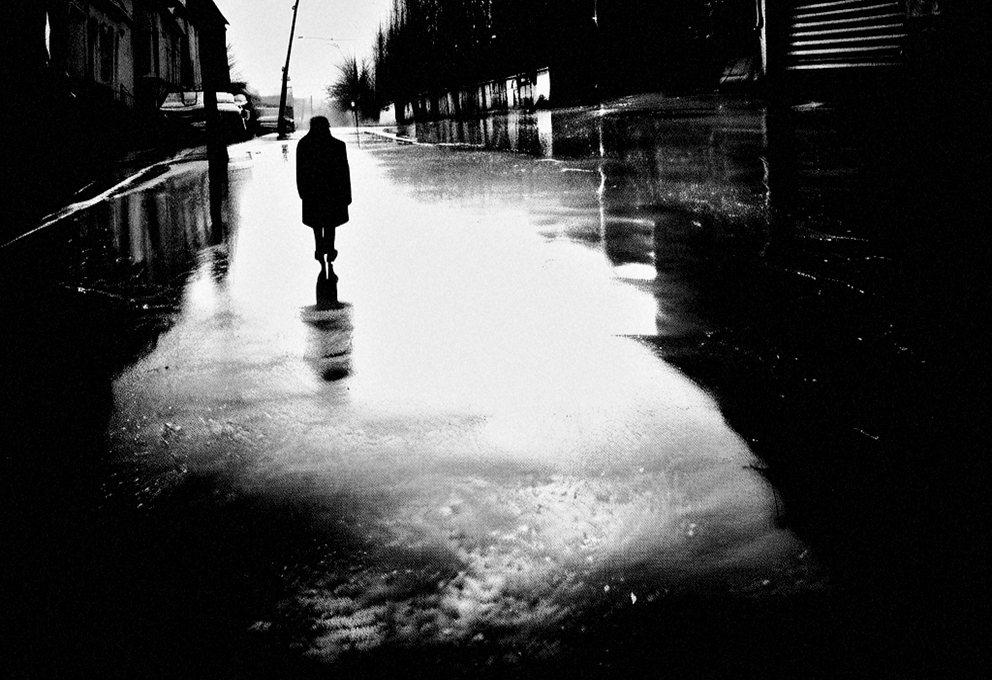
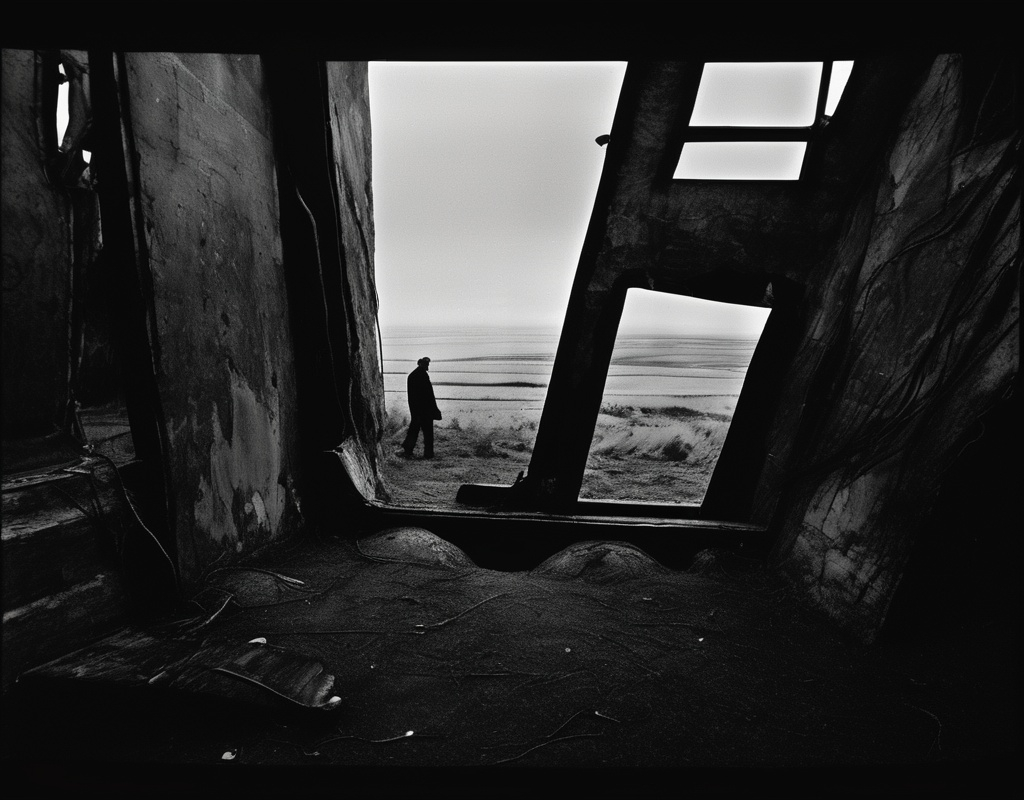
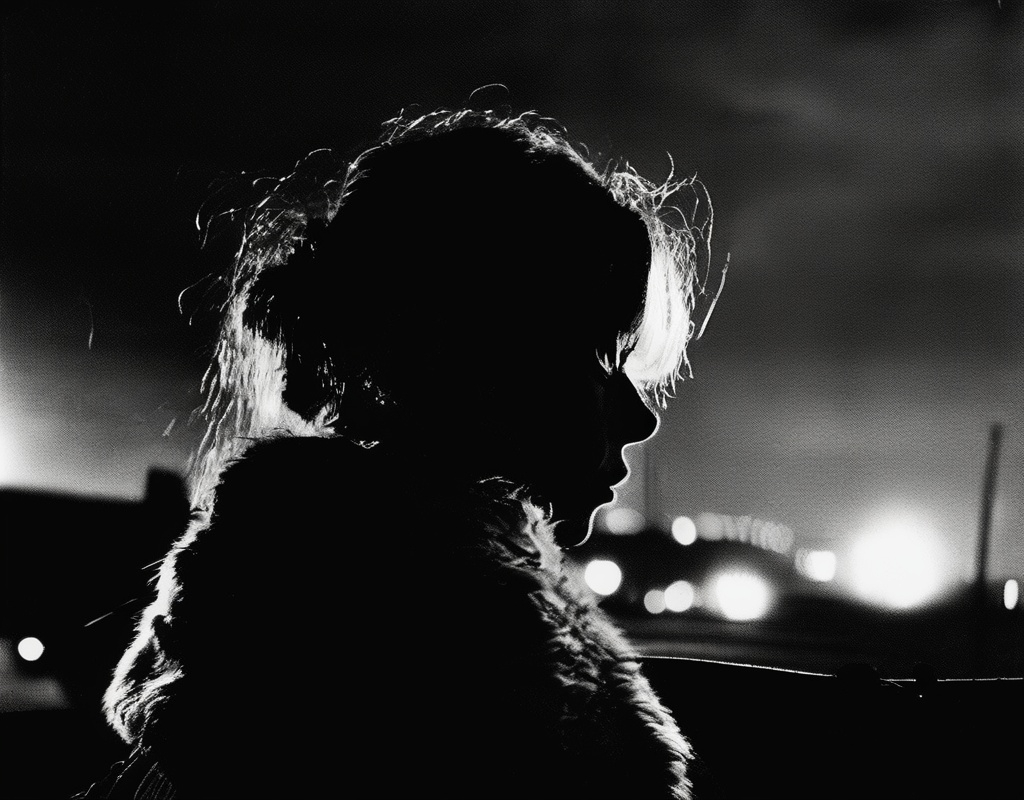
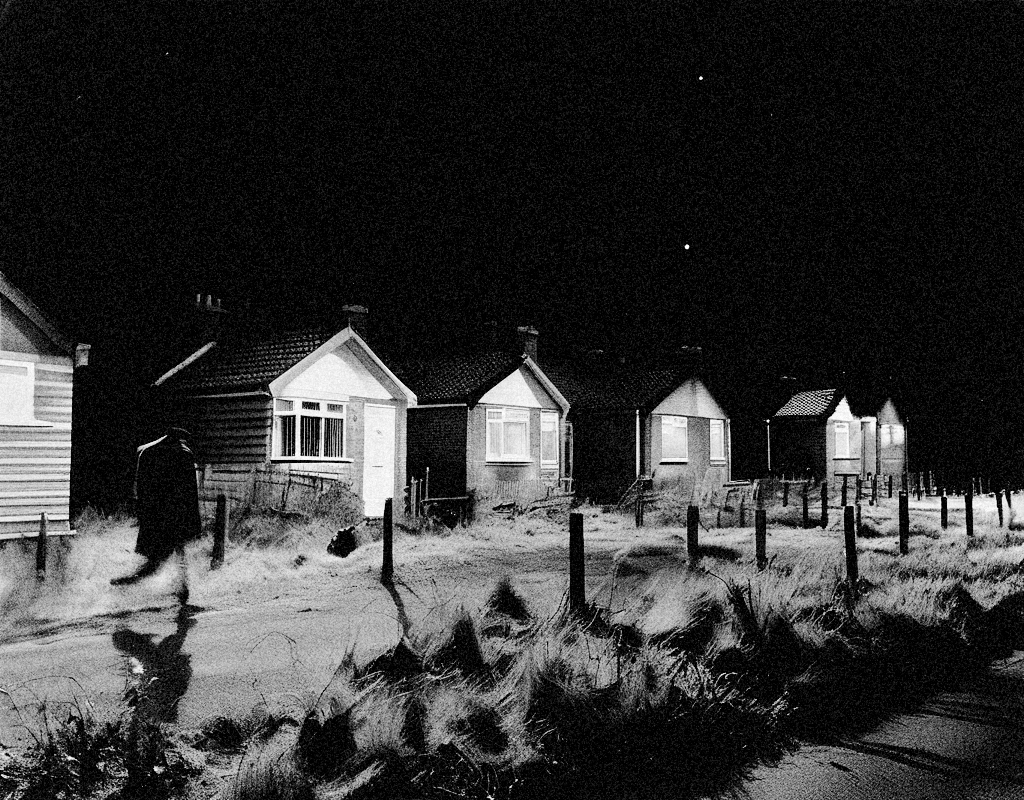
Created through artificial intelligence by Otto Rupel, a photographic persona, the project explores photography as an act of wandering. The images do not describe a specific geography as much as they evoke a state of attention. Birds crossing a winter sky, solitary figures on quiet roads, trees standing at the edge of mist, paths disappearing into light—each photograph becomes a fragment of a larger journey through a landscape that feels at once familiar and timeless.
Along the route, time unfolds in layers. Roman traces remain beneath contemporary fields; ancient paths continue beneath modern footsteps. The landscape carries the presence of countless lives and journeys, gathering centuries into a single continuous terrain. History appears not as a distant subject but as something woven into the texture of everyday space.
The title refers to a horizon that continually recedes. Every generation imagines its own edge of the known world, a boundary beyond which new stories, fears, and possibilities begin. Following Hadrian's Wall became a way of approaching that horizon—not to arrive, but to remain in motion, attentive to the shifting relationship between place and imagination.
The photographs that form The End of the Known World inhabit this territory. They move through silence, weather, distance, and light, tracing a path where observation becomes reverie and landscape becomes a vessel for memory. Together they offer a meditation on the enduring human desire to walk toward the horizon and discover what waits beyond it.
The north side of the wall






bottom of page